
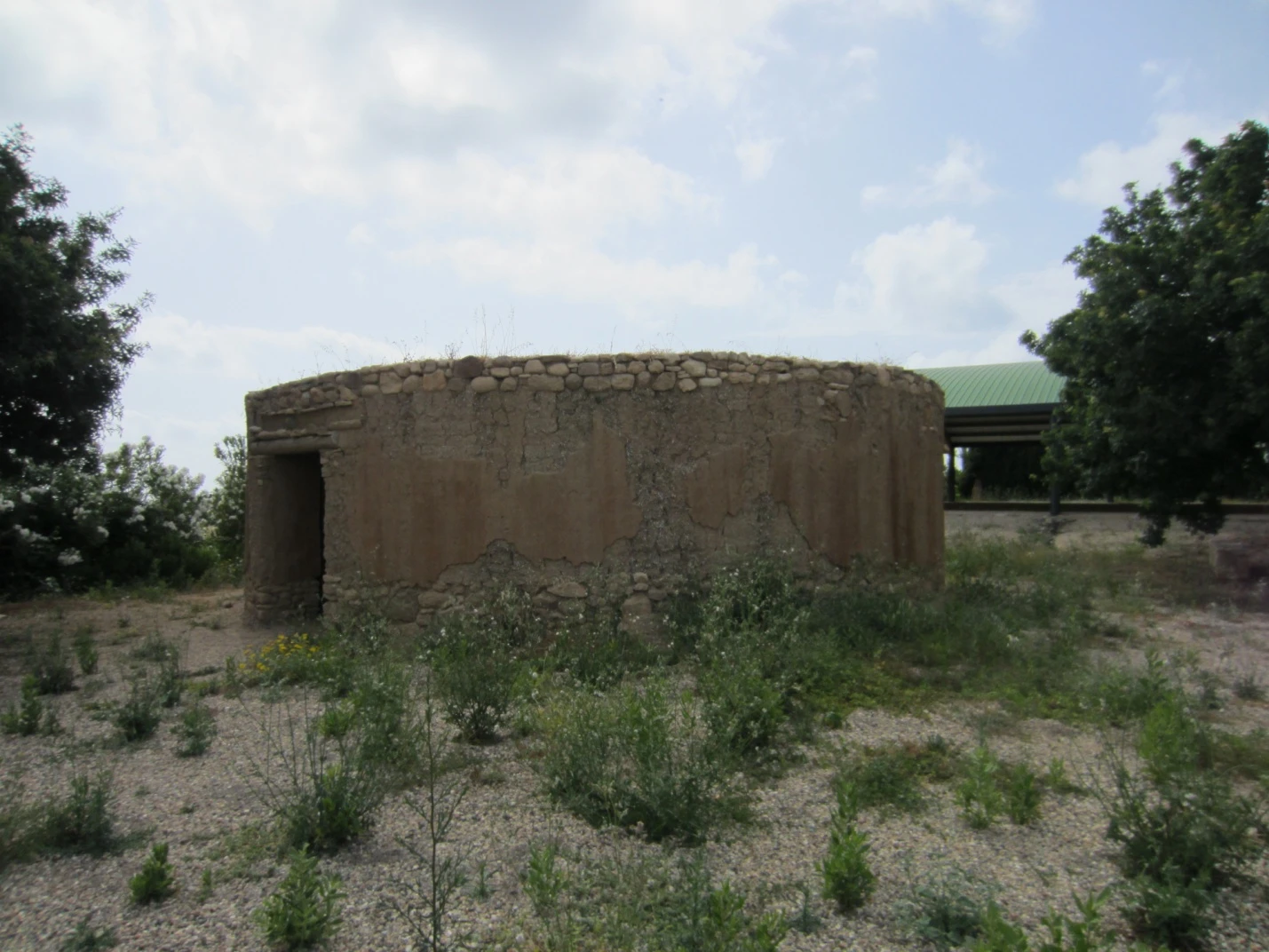
Prehistoric Cyprus
We begin before kings, temple inscriptions and familiar cities: with the first permanent settlements, round houses, stone tools and images whose meanings can only be reconstructed.
Epochs
We use real places in Cyprus to connect archaeology, architecture, religion, trade, empires, family travel and historical memory. Every object has its own indexable page, practical details and links to related periods and routes.
We begin before kings, temple inscriptions and familiar cities: with the first permanent settlements, round houses, stone tools and images whose meanings can only be reconstructed.
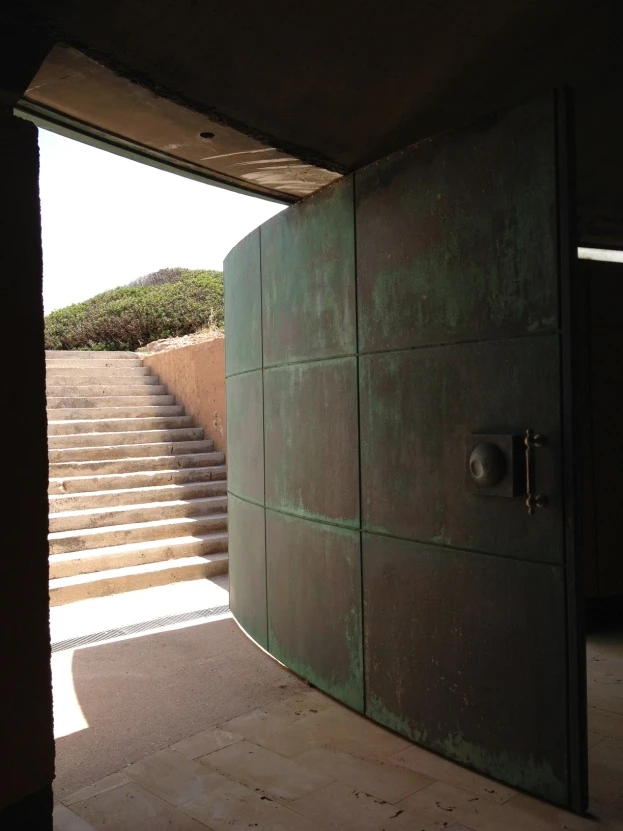
During the Bronze Age, Cyprus became one of the major hubs of the copper trade. We see connections with the Aegean, the Levant, Egypt and Ugarit, while new forms of settlement and writing reached the island together with traded goods.
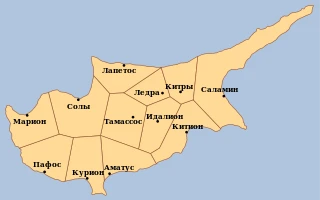
Cyprus was not a single state: the island contained city-kingdoms with their own dynasties, sanctuaries and political alliances. We travel between Palaepaphos, Idalion, Tamassos, Kition, Amathus, Kourion and Marion.
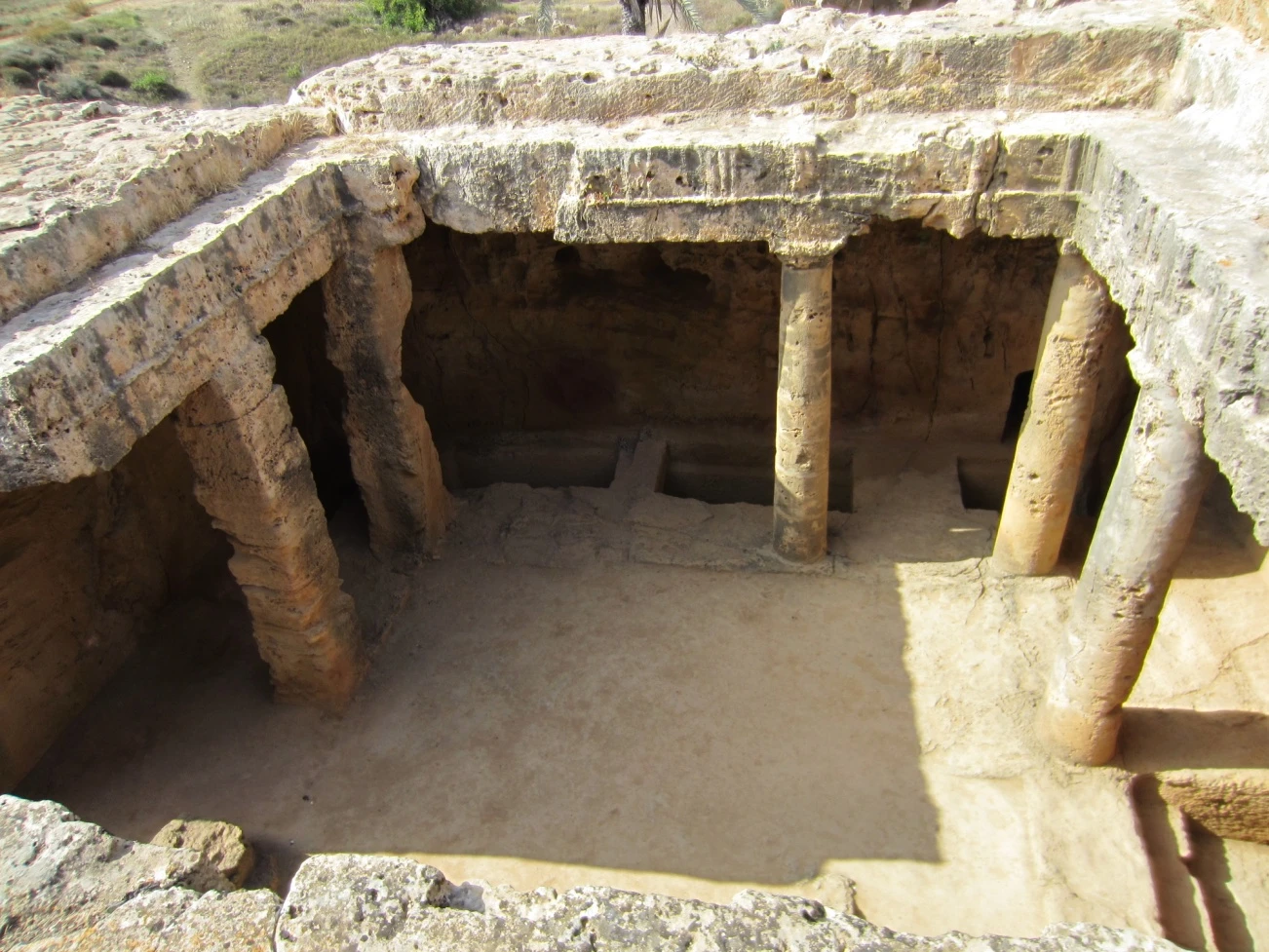
After Alexander the Great, the island entered the Hellenistic world of the Ptolemies and later became a Roman province. We explore this period through Nea Paphos, tombs, theatres, villas and mosaics.
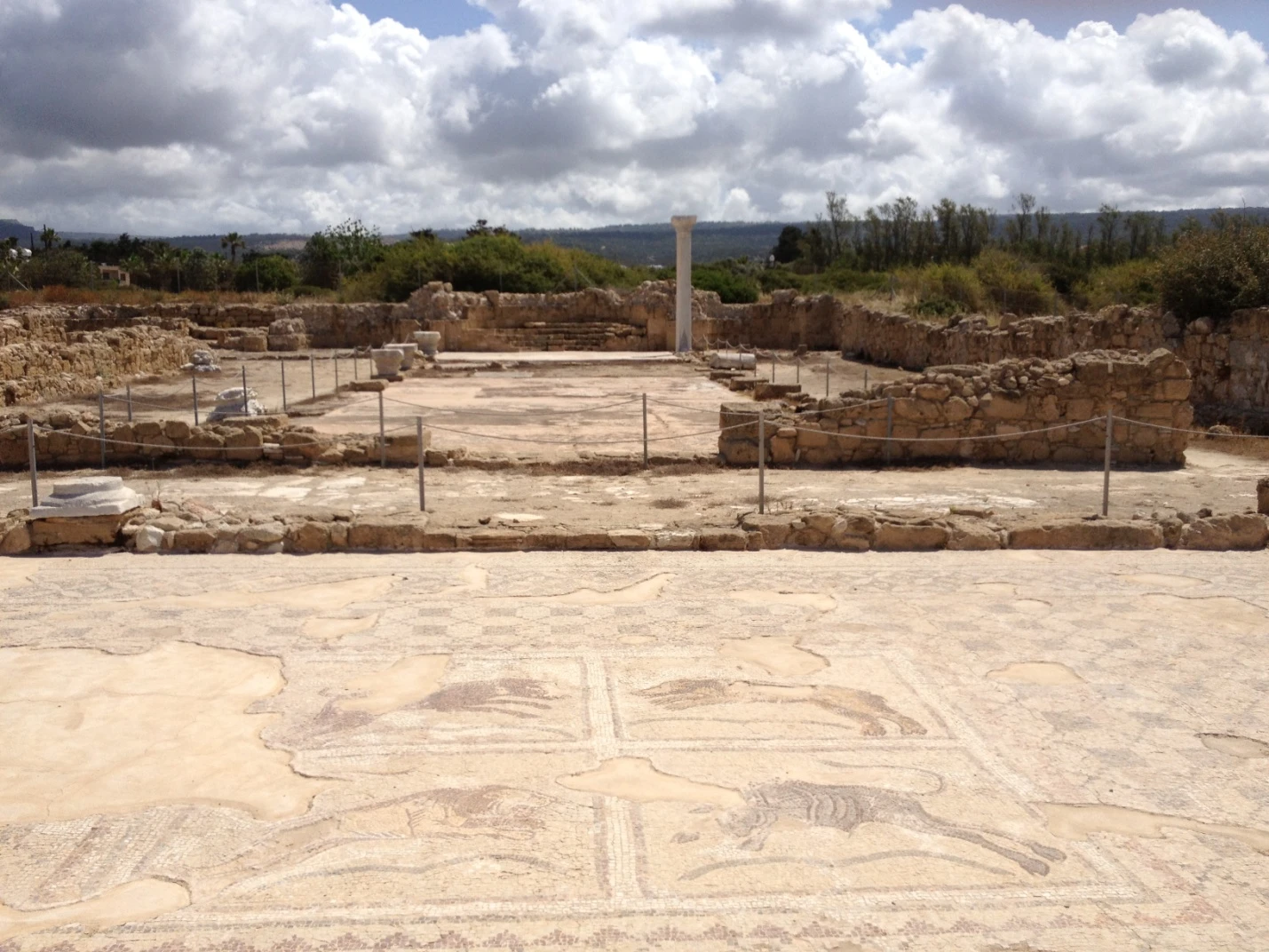
Cyprus connects its Christian history with the apostles Paul and Barnabas. We see the transition from ancient cities to basilicas, mosaic apses, icons, cave cells and mountain monasteries.
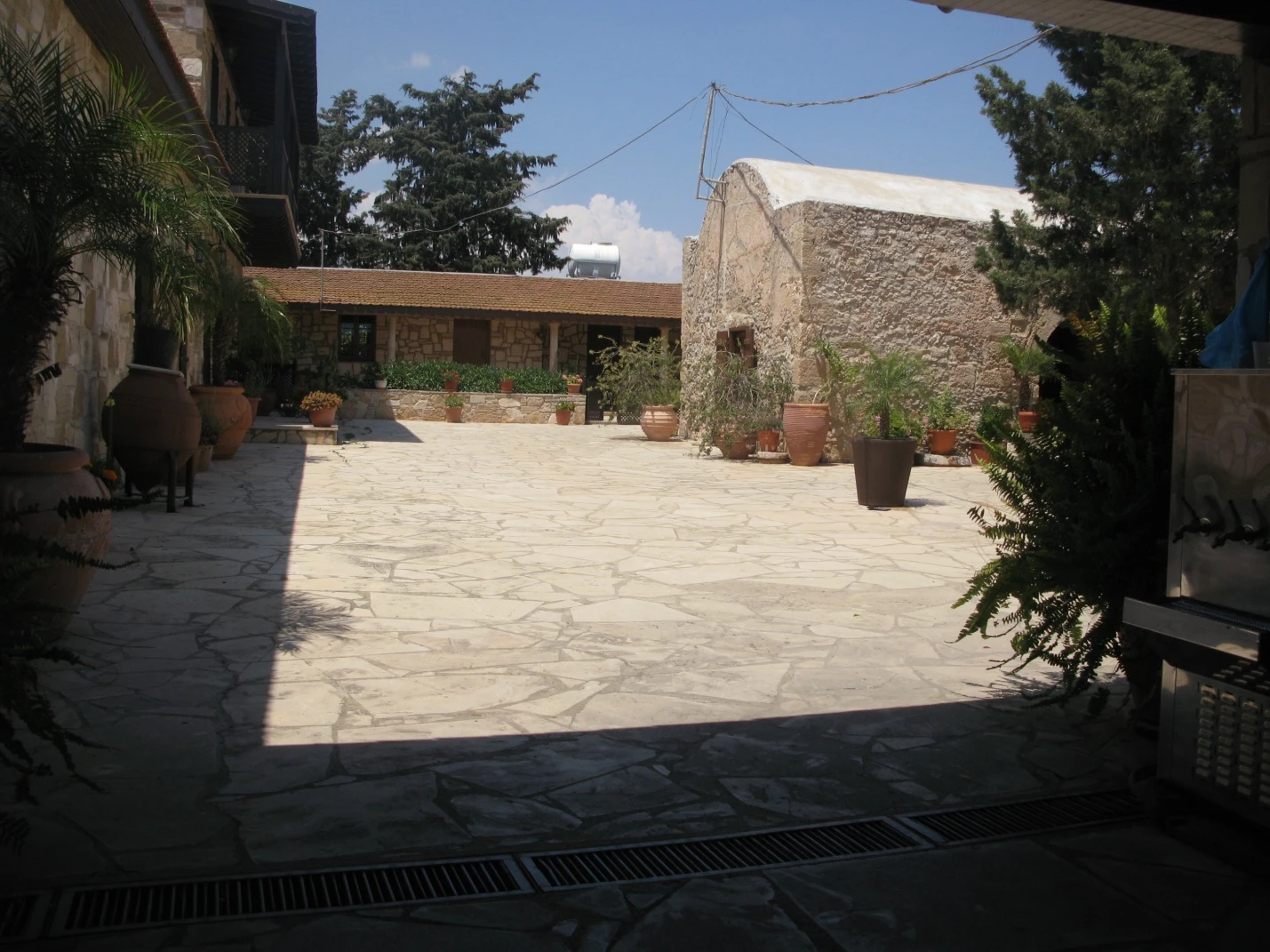
After Richard the Lionheart, Cyprus became part of the world of the Crusaders and Frankish dynasties. Orthodox tradition, Gothic architecture, Latin monastic orders and royal symbols existed side by side.
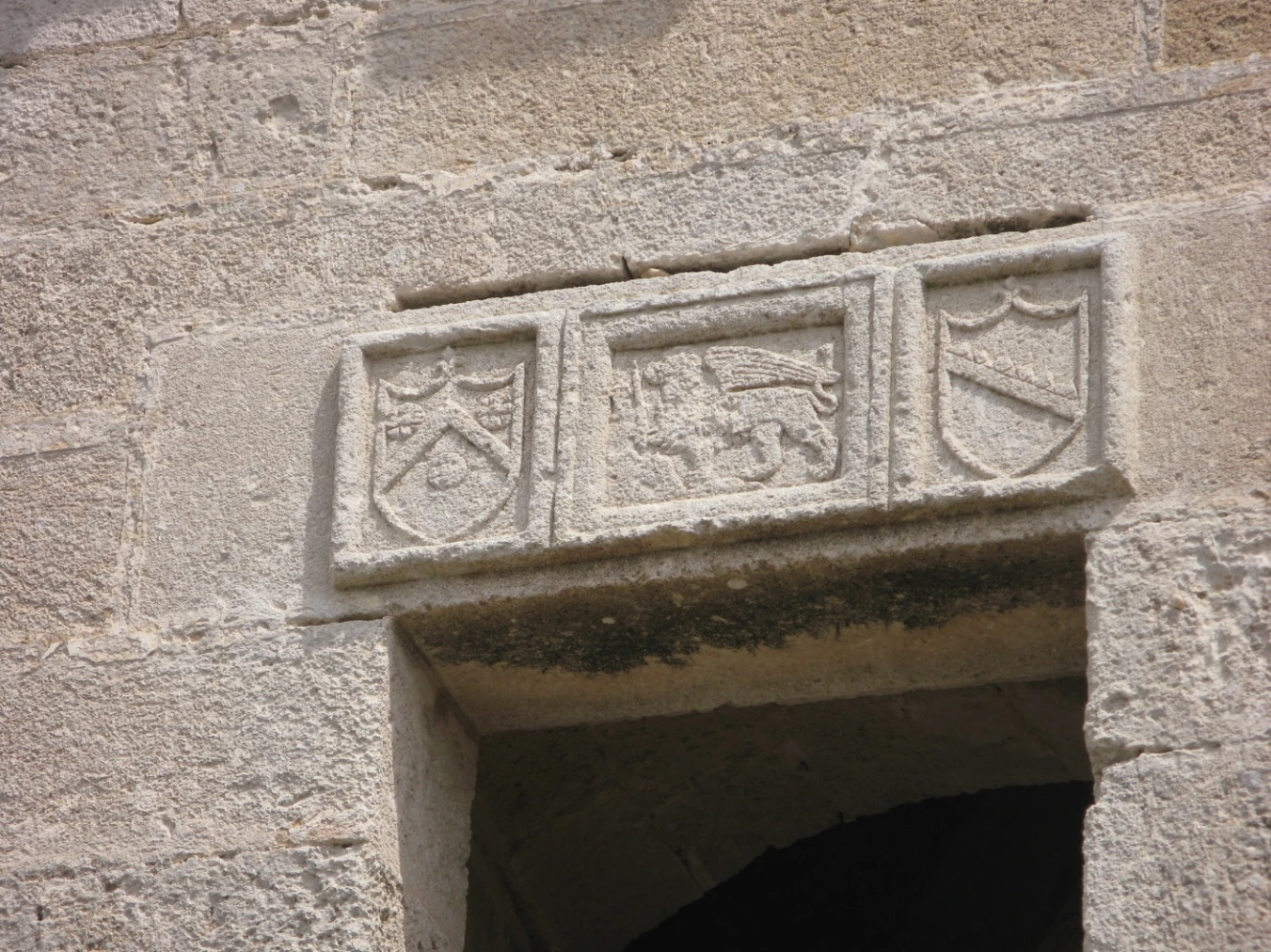
Venice turned the island into an important frontier of its maritime system. We look for the Lion of Saint Mark, bastions, watchtowers and rebuilt city gates.
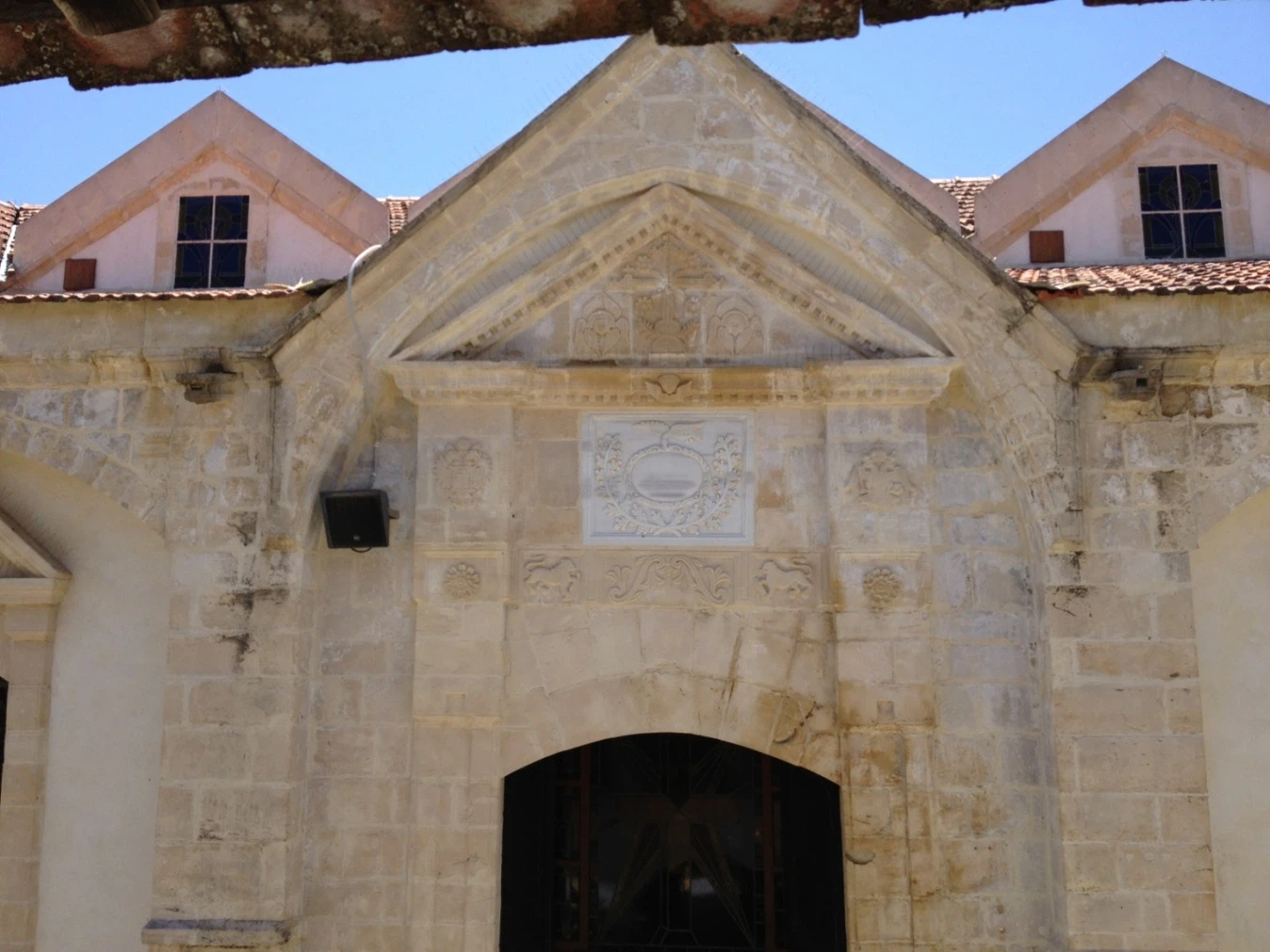
The Ottoman period changed administration, the religious landscape and urban life. We approach it through houses, mosques, hammams, aqueducts, monasteries and everyday objects.
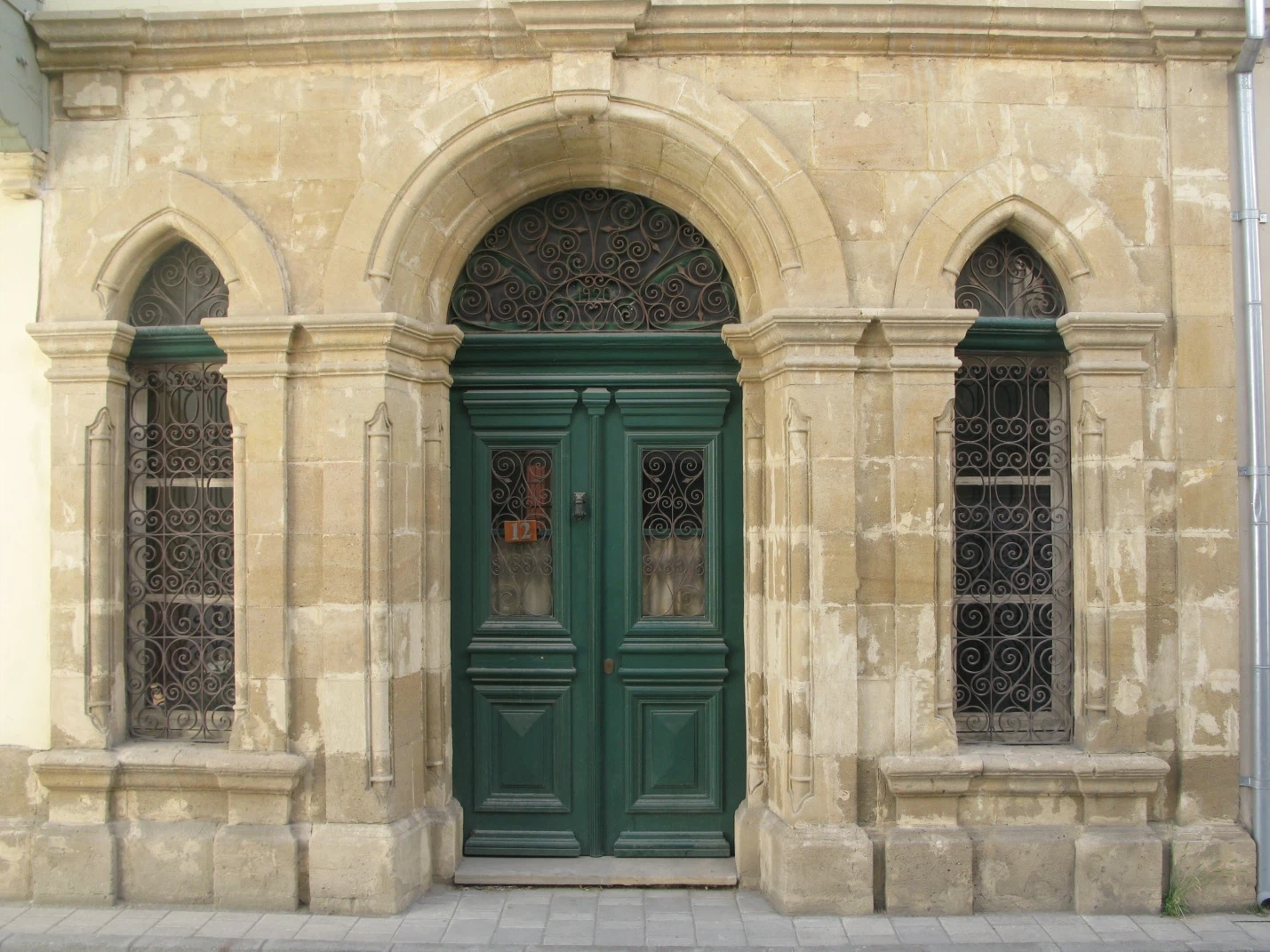
In the twentieth century we place Cyprus within the global history of empires and decolonisation. British rule introduced new administration, infrastructure, a railway and new architecture, while the movement for self-determination also grew.
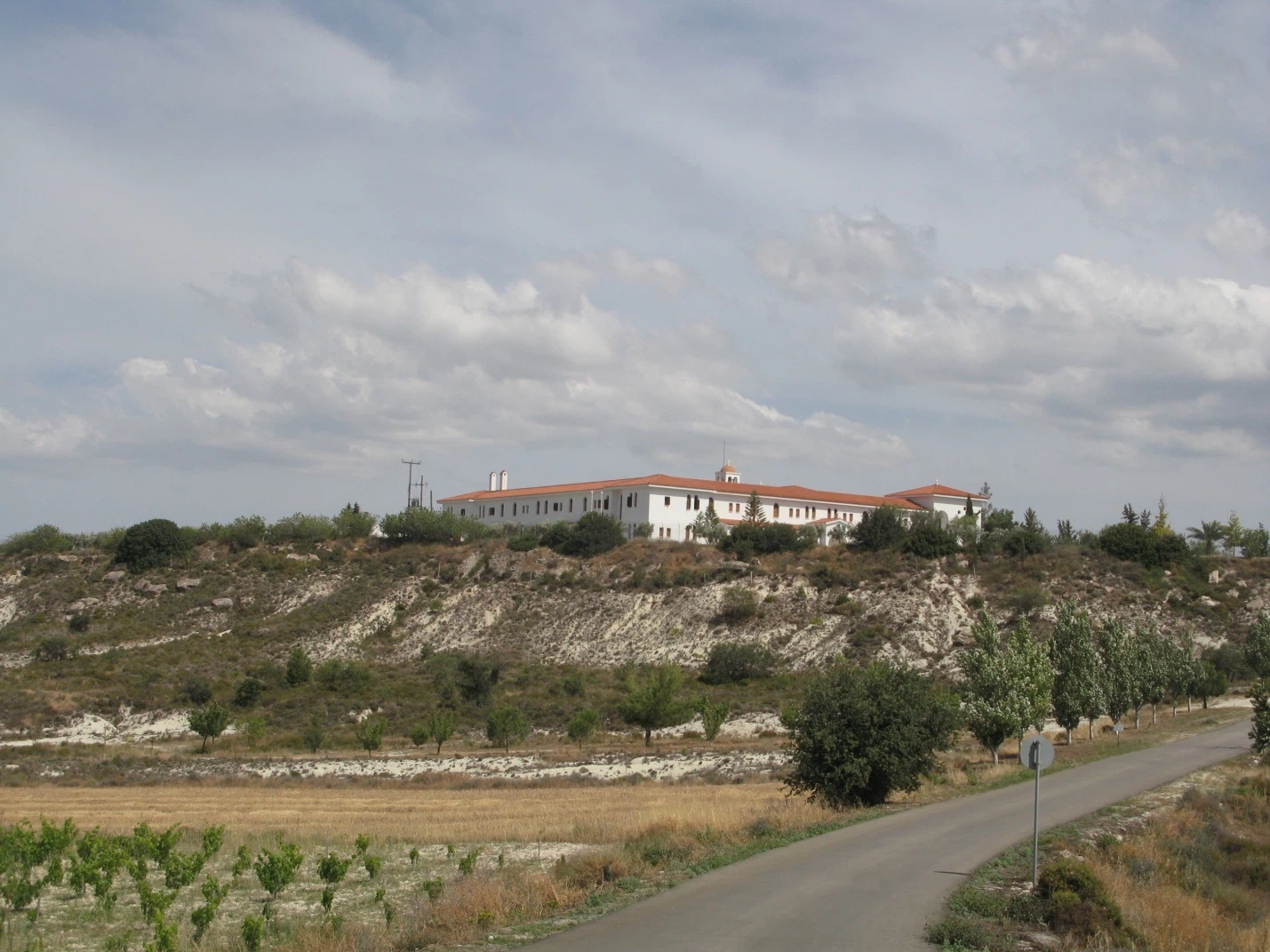
Modern Cyprus cannot be understood without independence in 1960, intercommunal conflict, the events of 1974, the continuing division of the island and the Republic of Cyprus’s accession to the European Union.