
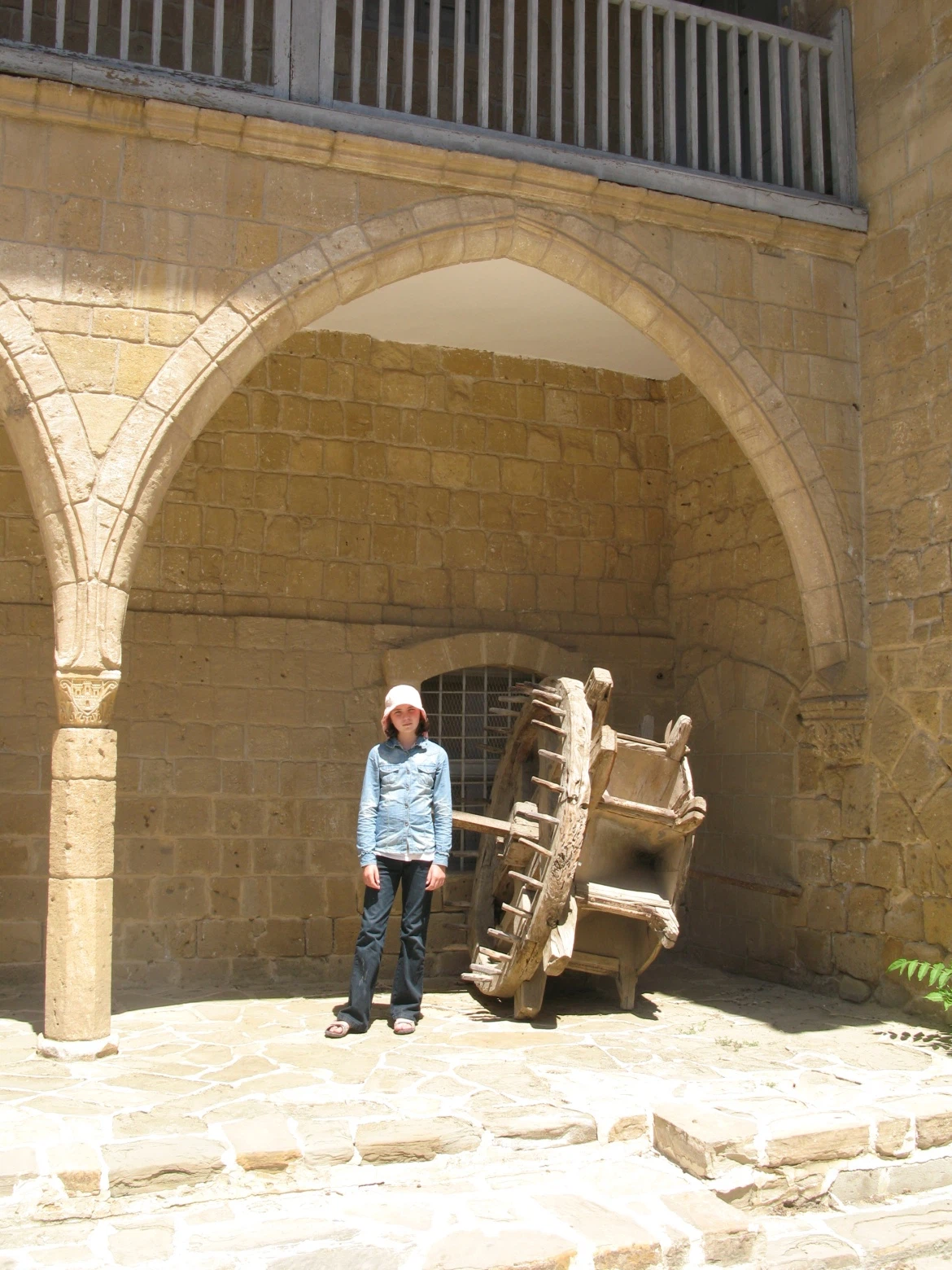
The Cyprus Ethnographic Museum
Looms, tambourines, clothing, embroidery and domestic interiors reveal everyday life in the nineteenth and twentieth centuries.
Topics
The railway, colonial administration, anti-colonial struggle, independence, the events of 1974 and contemporary memory are explored through specific places and different types of evidence.
Looms, tambourines, clothing, embroidery and domestic interiors reveal everyday life in the nineteenth and twentieth centuries.
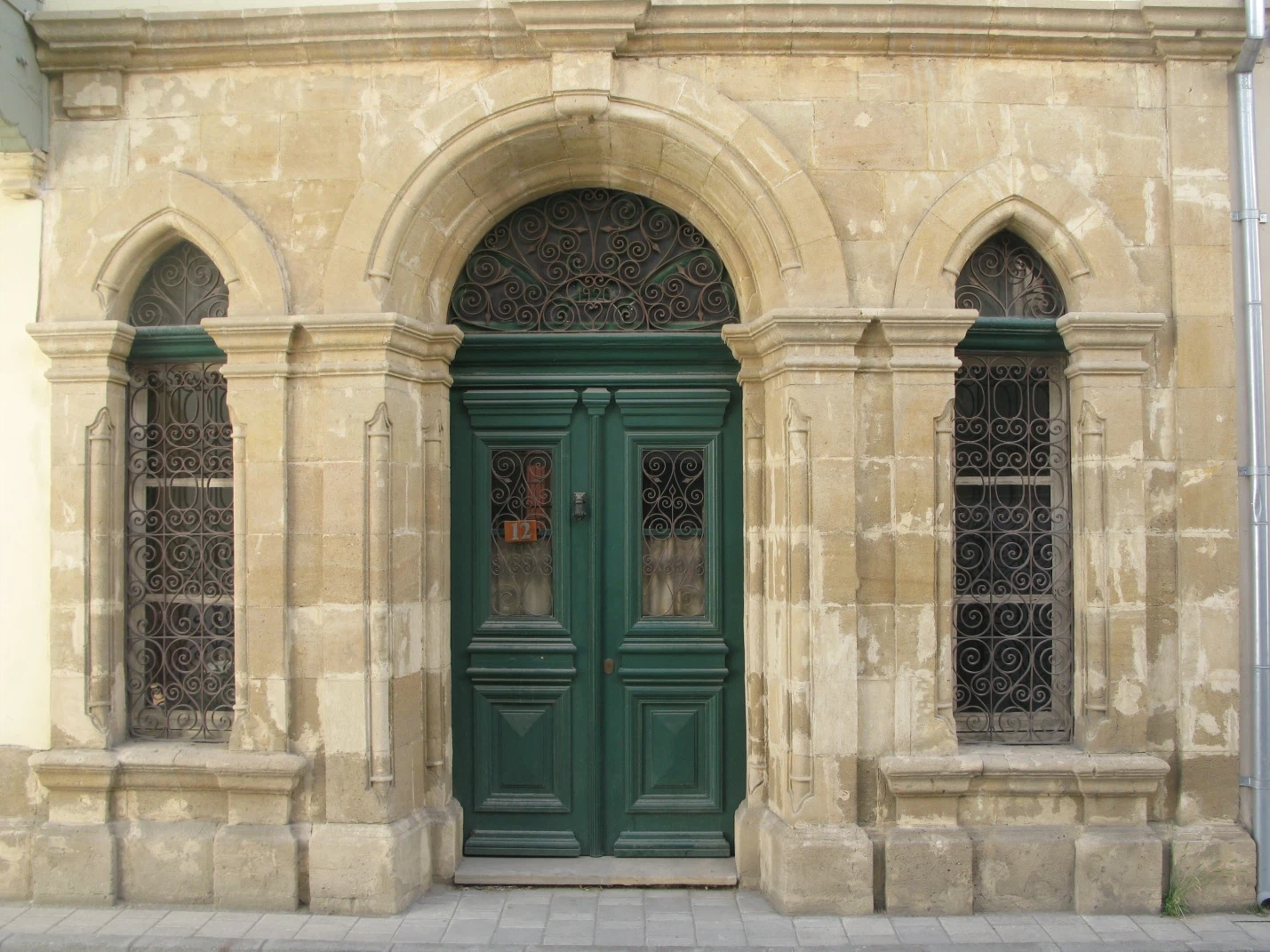
We turned a walk through old Nicosia into a family game by looking for construction dates woven into the metalwork above the doors.

We include the barn as a specific rural memorial to the armed phase of the anti-colonial struggle.

We include the former station so that the British period can be seen not only through politics but also through everyday movement around the island.

We include the museum as a starting point for discussing the leadership of EOKA and the way an image of a historical leader is created after events.

We include the museum as the principal place for learning about the anti-colonial struggle of Greek Cypriots against British rule.

We include the site near Machairas so that one mountain route connects monastic history with the twentieth century.

We include the prison complex as one of the most powerful places of memory connected with the anti-colonial struggle.
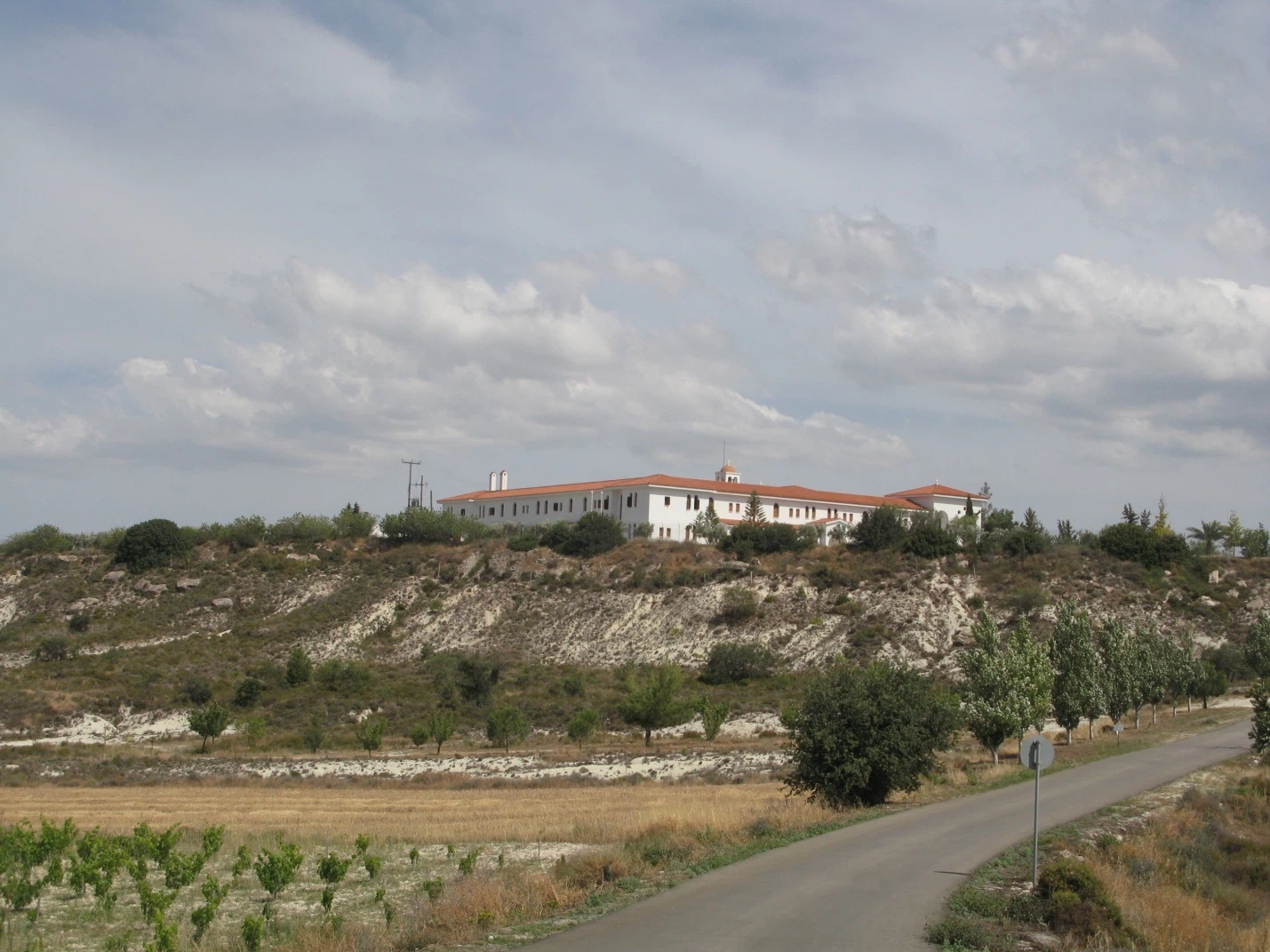
This women’s monastery on a hill shows that the monastic history of Cyprus continued into the twentieth century.

We include Deryneia as a family stop where it is possible to discuss displacement, the closed district of Varosha and the memory of a lost city with care.

We include a walking route so that the island’s division can be seen not only on a map.

We include the memorial complex for a discussion of conflicts after independence and the events of 1974.

We include the museum as an ideal final stop, where the whole history of the capital is assembled once again into one continuous line.

We include this regional museum so that the history of the eastern part of the island is not lost between Nicosia and Paphos.