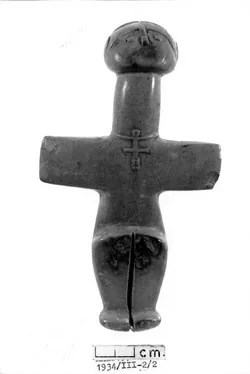
The Pomos Idol: a Chalcolithic cruciform figurine
This cruciform picrolite figurine is kept in the Cyprus Museum and appears on Cyprus’s €1 and €2 coins.
Places
Historical places, family routes, project photographs and carefully sourced stories about Cyprus.
This cruciform picrolite figurine is kept in the Cyprus Museum and appears on Cyprus’s €1 and €2 coins.
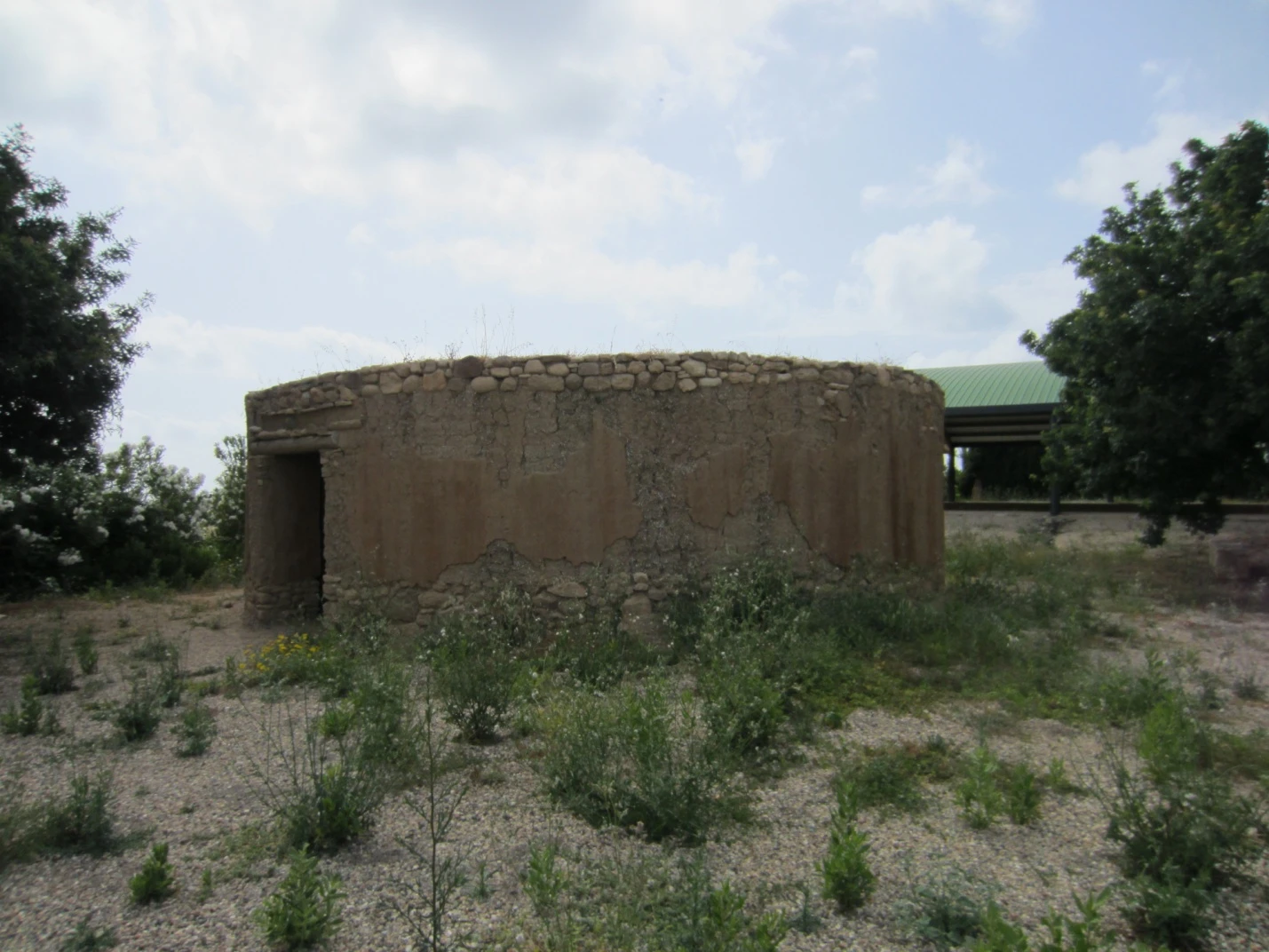
The island’s earliest architecture is represented by round houses; reconstructions of ancient dwellings can be seen beside the excavations.

We include Tenta as a second key to the Neolithic period: its distinctive modern shelter makes the archaeological site immediately recognisable.

We recommend beginning or ending the historical journey in the island’s principal archaeological museum, where separate sites form one continuous timeline.

We treat Choirokoitia as a separate stop because it is one of the best places on the island for imagining the daily life of the first farming communities.
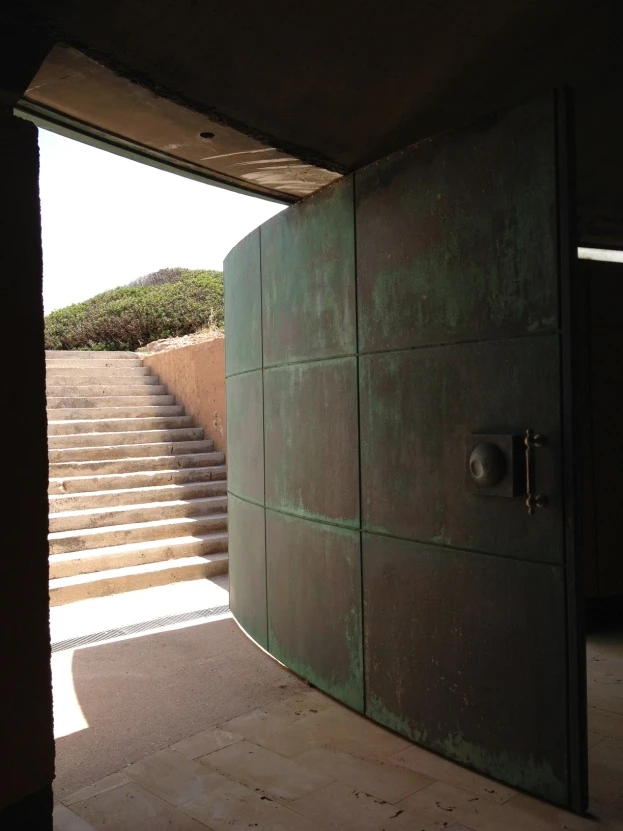
The partly underground museum at Cape Maa tells the story of a Mycenaean settlement and displays unusual examples of early writing.
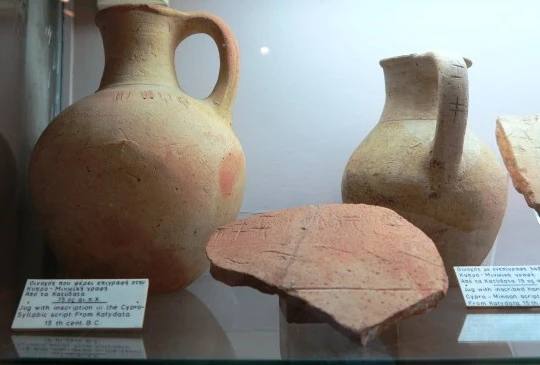
Cypro-Minoan writing is known from signs on clay, metal and other Late Bronze Age objects, but it has not been deciphered with certainty.

We include the museum as the link between Choirokoitia, Tenta, Kition and the Bronze Age settlement beside the salt lake.

We include the archaeological areas of Kition so that the city can be seen not only in a museum case but also within the modern urban fabric of Larnaca.

We distinguish the Bronze Age settlement from the much later Muslim shrine: entirely different periods share the same geographical setting.

We include Enkomi because it is difficult to understand Cyprus as a major centre of Late Bronze Age copper trade without it.
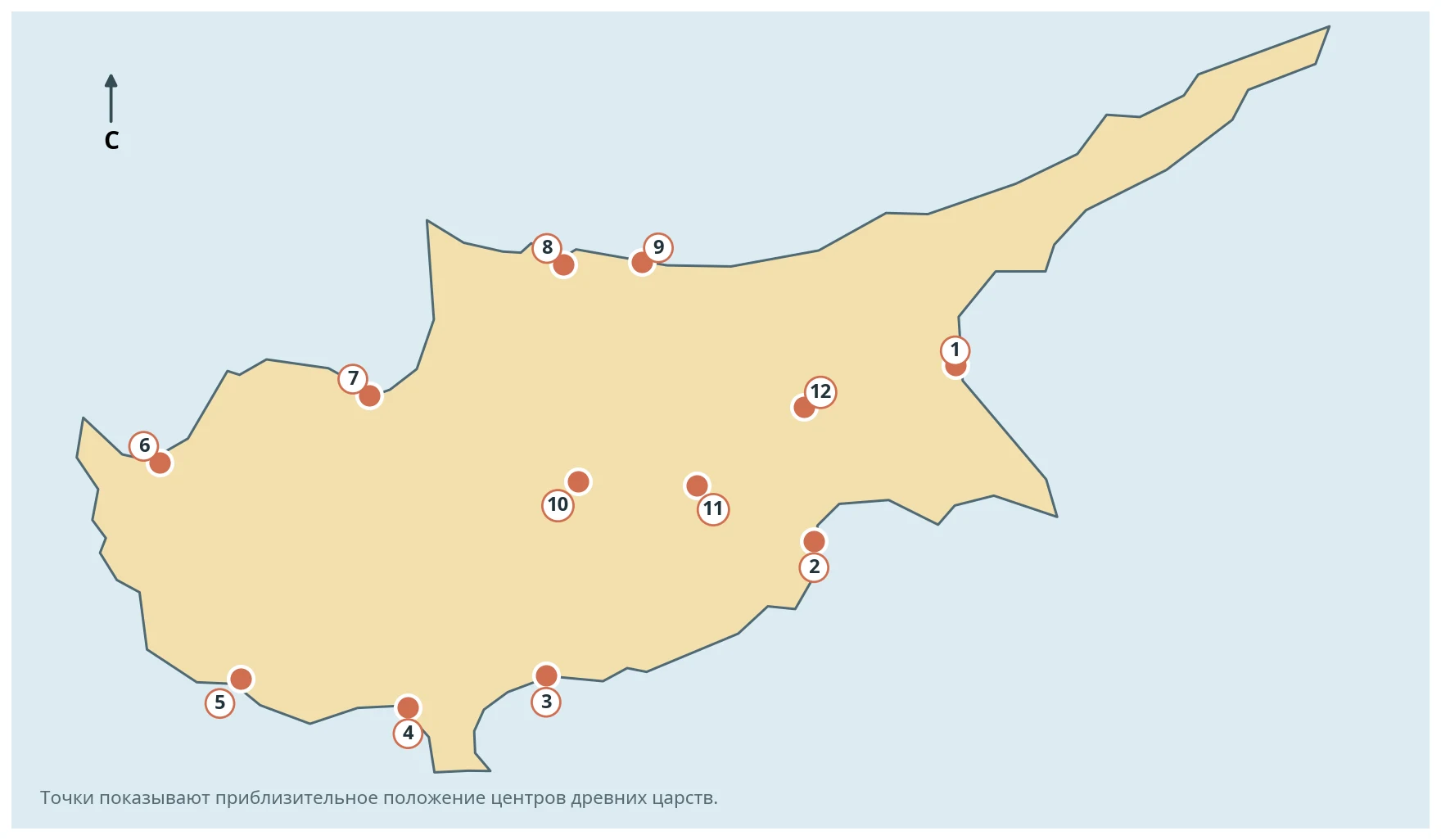
This educational map brings together twelve principal city-kingdoms of Archaic and Classical Cyprus and helps compare coastal and inland centres.
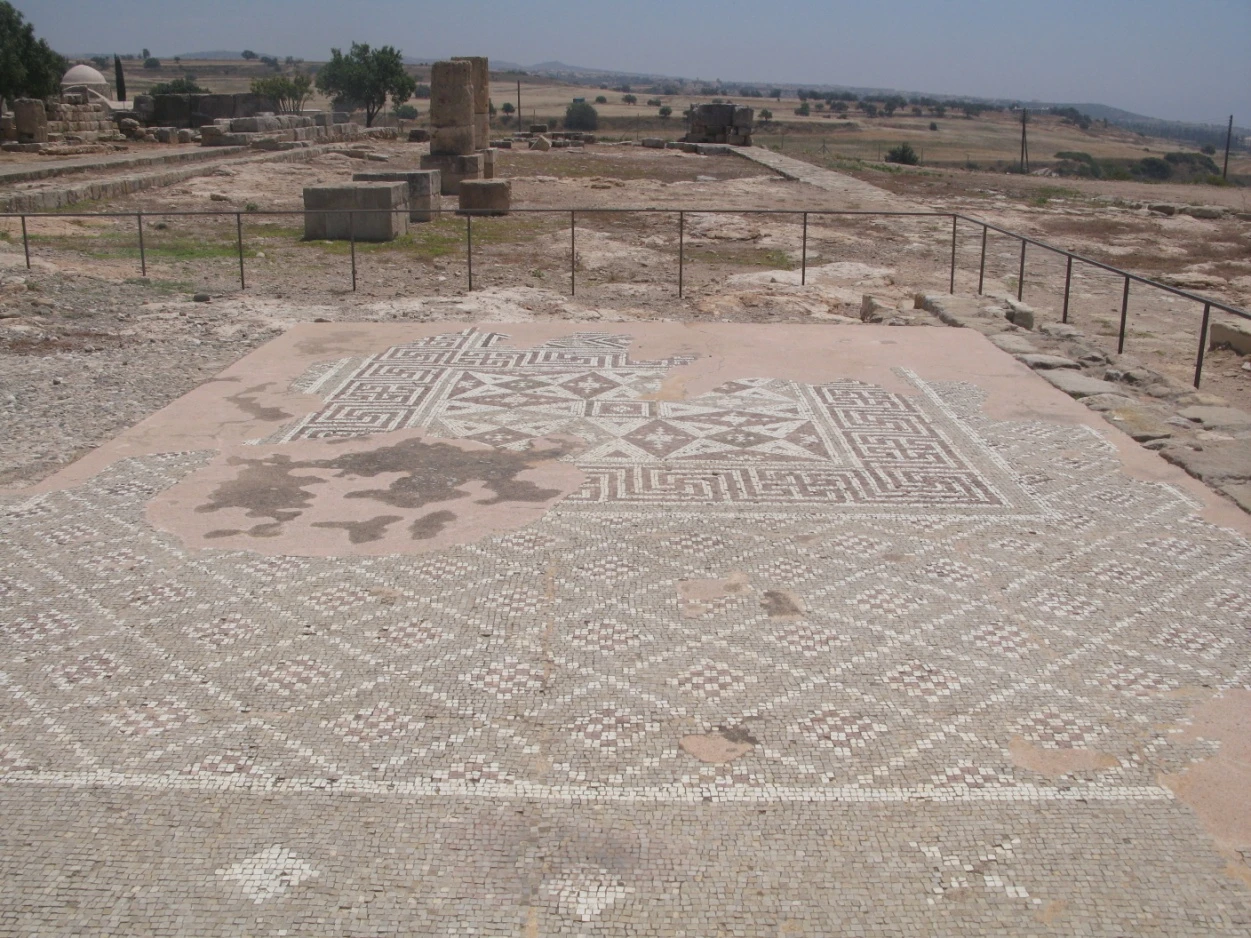
The sanctuary remains, the dark cult stone and the mosaic floors connect the site with ancient cults of the mother goddess, Astarte and Aphrodite.
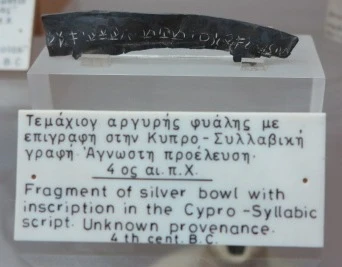
Inscriptions on stone, metal and pottery show how different writing systems coexisted on the island.
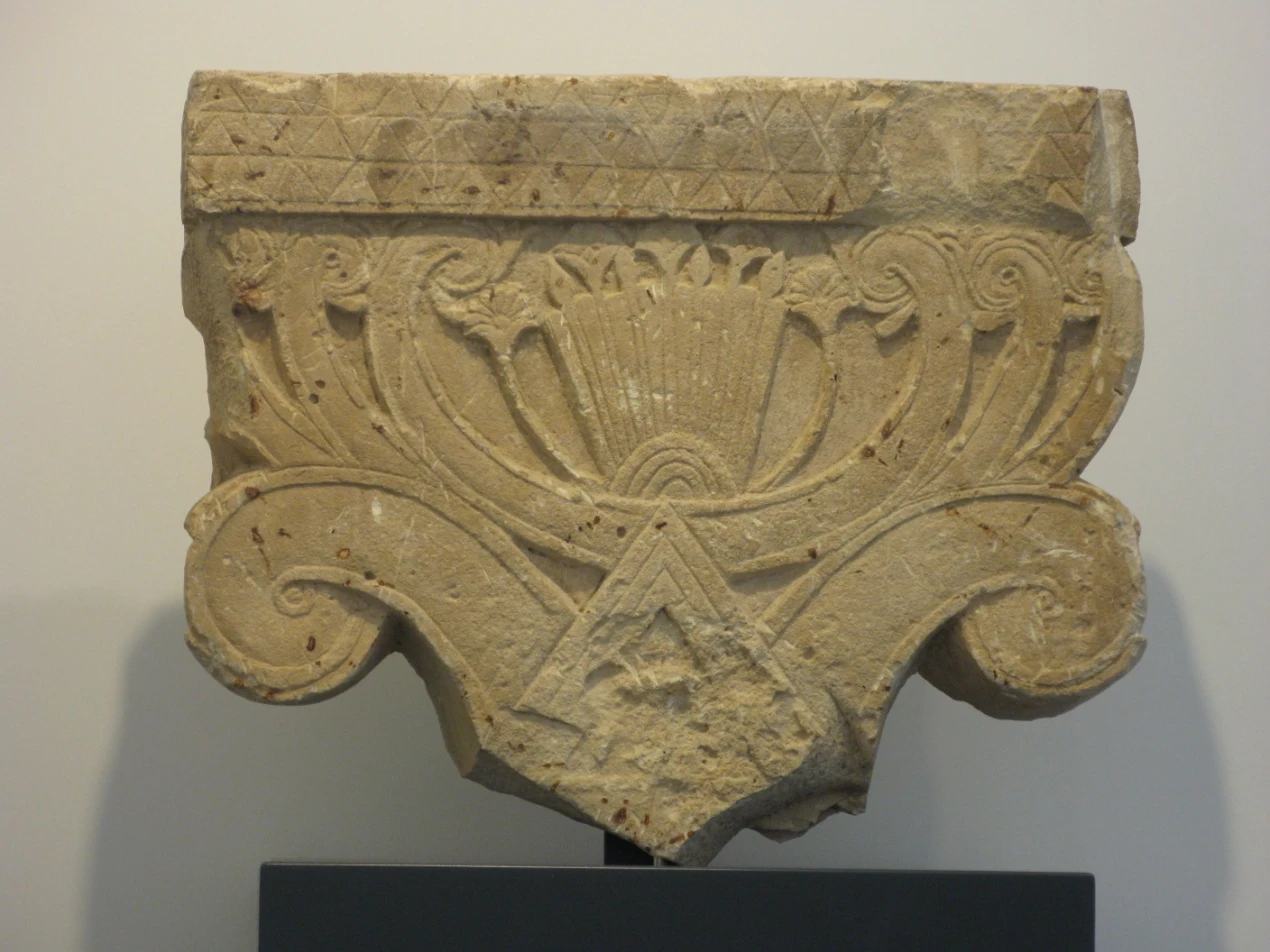
The ancient city beside modern Dali is associated with Aphrodite, Phoenician influence and important bilingual finds.
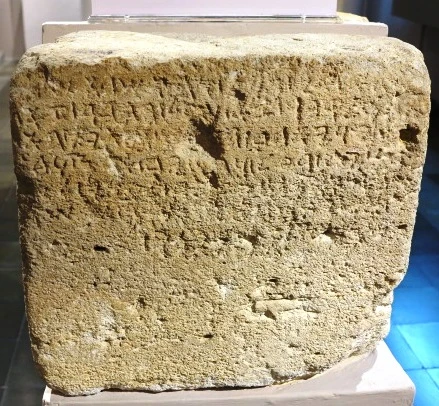
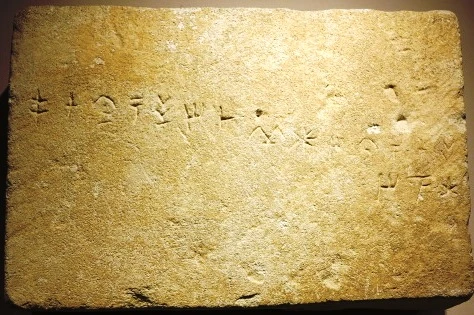
A museum stone offers a way to explore the twenty-two signs of the Phoenician alphabet and its influence on other scripts.
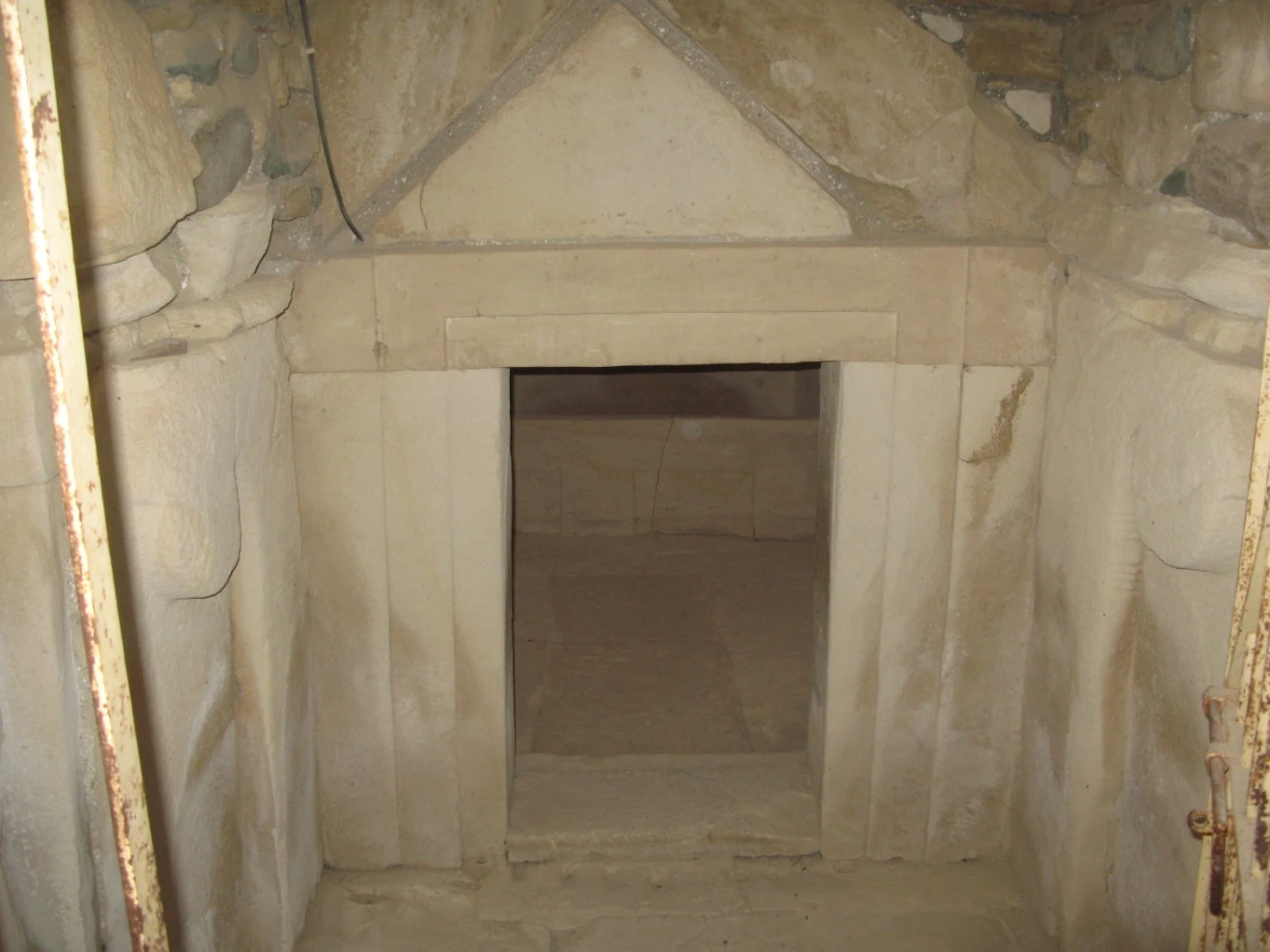
Much of the ancient city remains beneath the modern village and monastery, while the excavated tombs reveal monumental architecture.
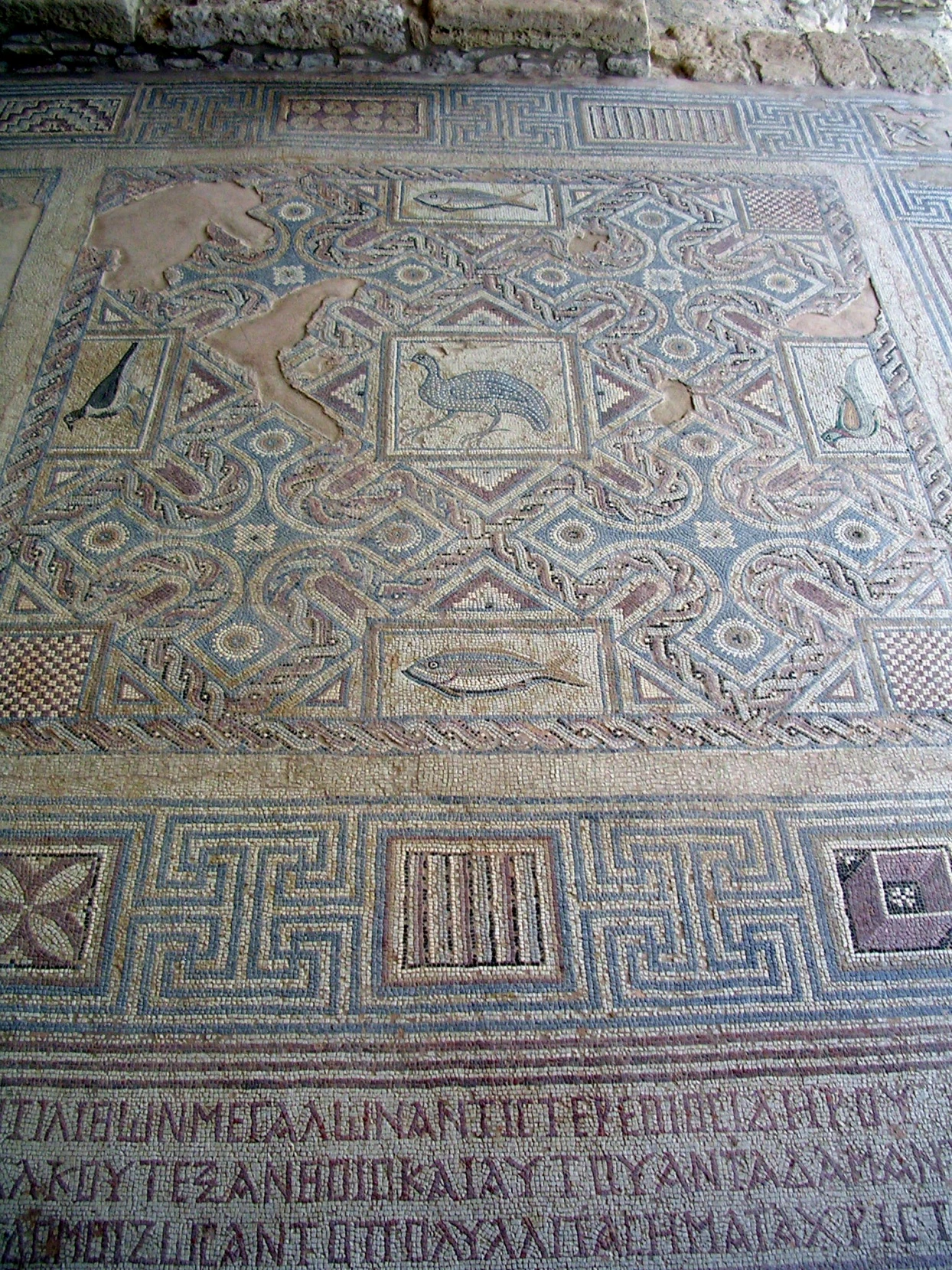
The city on the cliff above the sea preserves a theatre, villas and elaborate mosaic floors with ancient Greek inscriptions.
Three short chapters bring together the legends of Amathus, the Phoenician past of Kition and the copper mines of Marion.

We treat Amathus as a separate stop because the city brings together the myth of Ariadne, the cult of Aphrodite, Phoenician influence and monuments of the late Roman period.
We include the museum so that the brief story of Marion becomes a complete stop in the north-west of the island.

We include Salamis as one of the island’s major ancient cities and a place where the history of the city-kingdoms continues into the Roman and early Christian periods.

We include Soloi so that the map of the city-kingdoms does not end with only the sites that are easier to reach from the south.
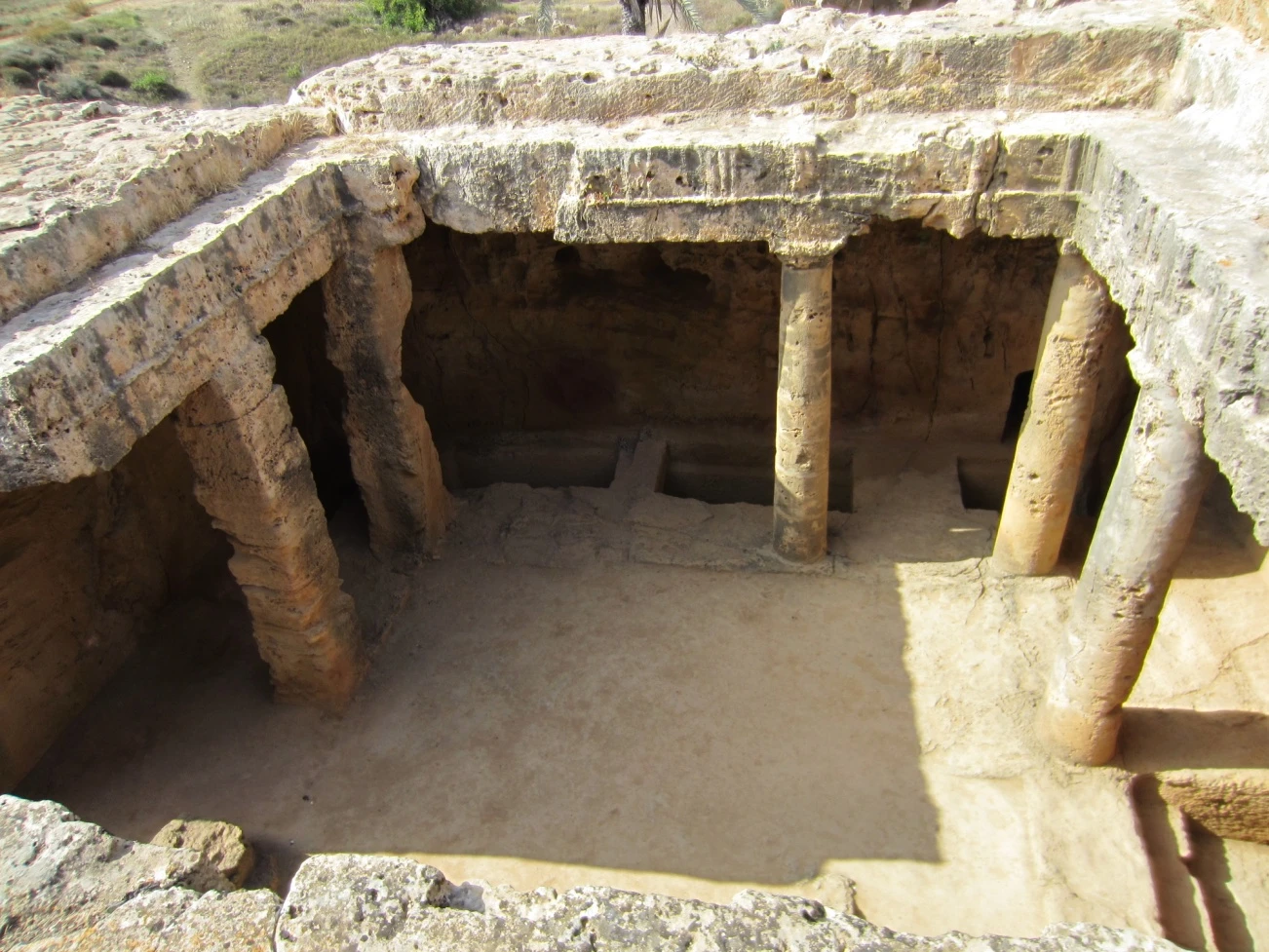
The foundation of a new harbour, the monumental tombs and Paphos’s later role as the capital of the island.

Our personal choice: vessels shaped like parts of the human body that ancient physicians used as warming devices.
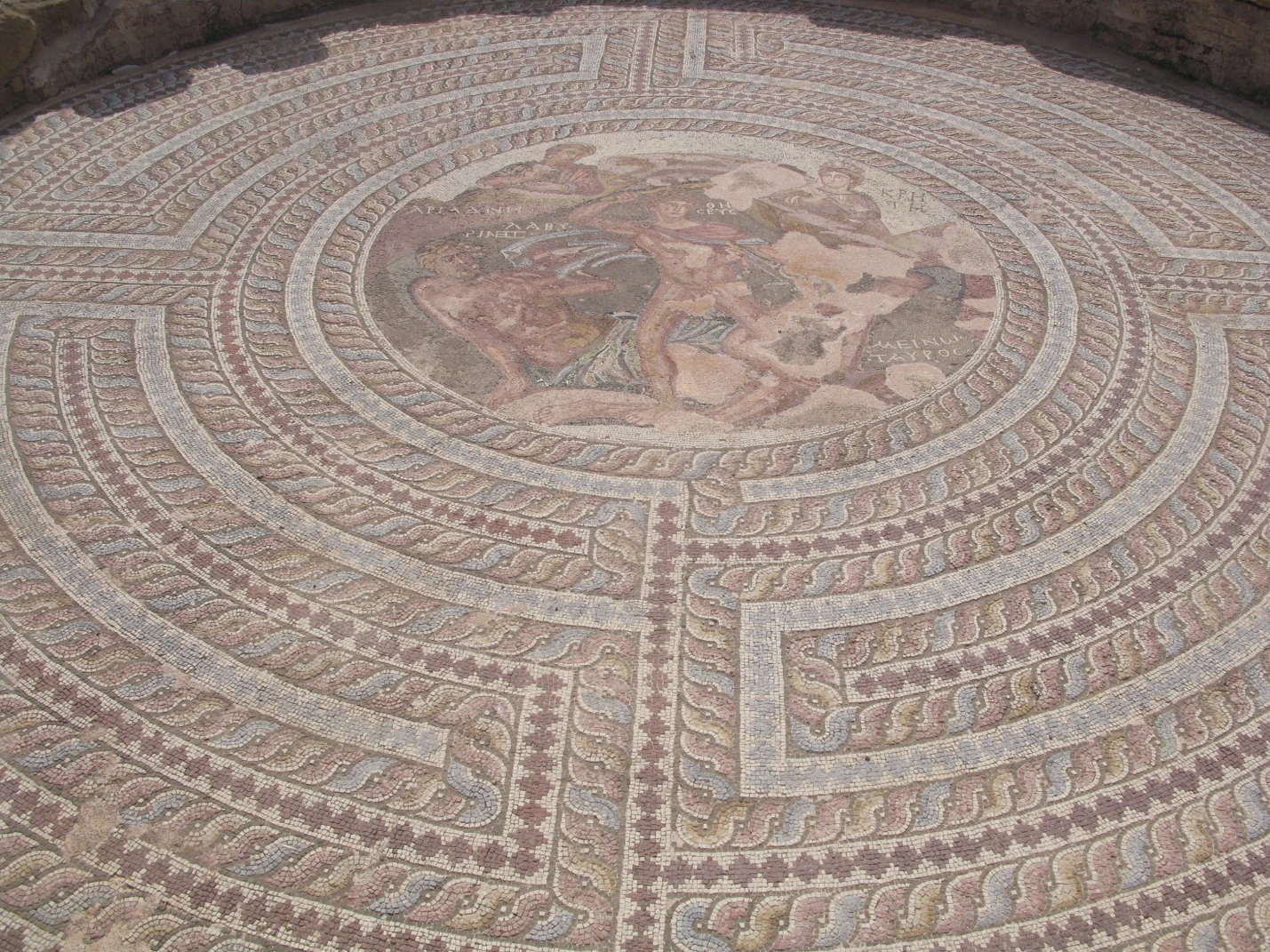
The Roman villas are famous for depictions of Theseus and Dionysus and for intricate geometric compositions.

We combine the mosaics, odeon, agora and other monuments into one route through Nea Paphos.

We include this small museum because after walking among large ruins it brings the objects from Kourion back to a human scale.

We pair the sanctuary with Kourion: the city and its sacred landscape explain one another.
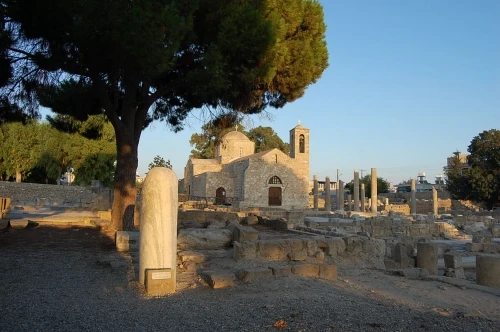
In Paphos we connect the ancient city with the story of Paul, Barnabas and the conversion of the proconsul Sergius Paulus.
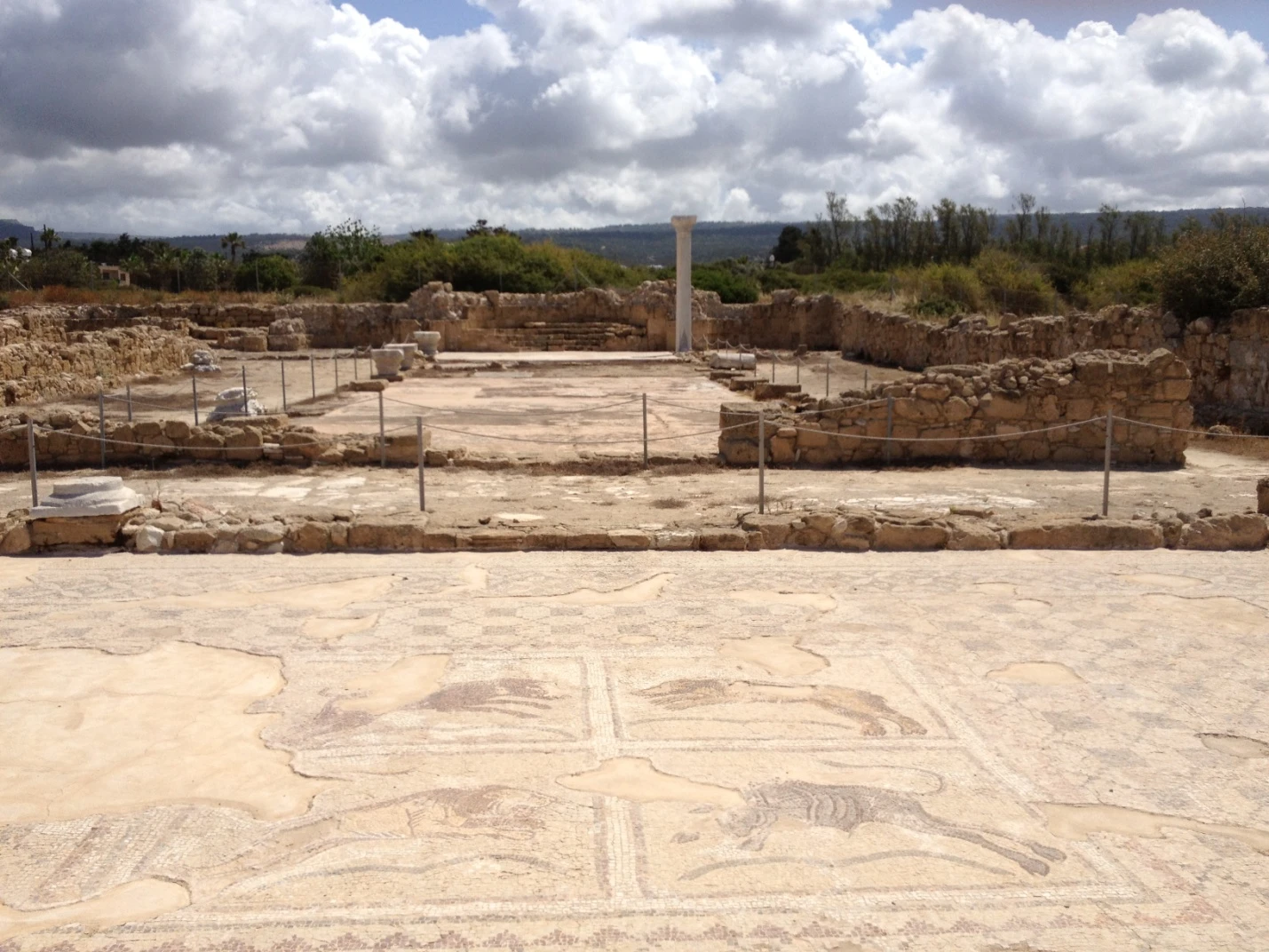
The excavated basilica north of Paphos preserves large sections of mosaic flooring.
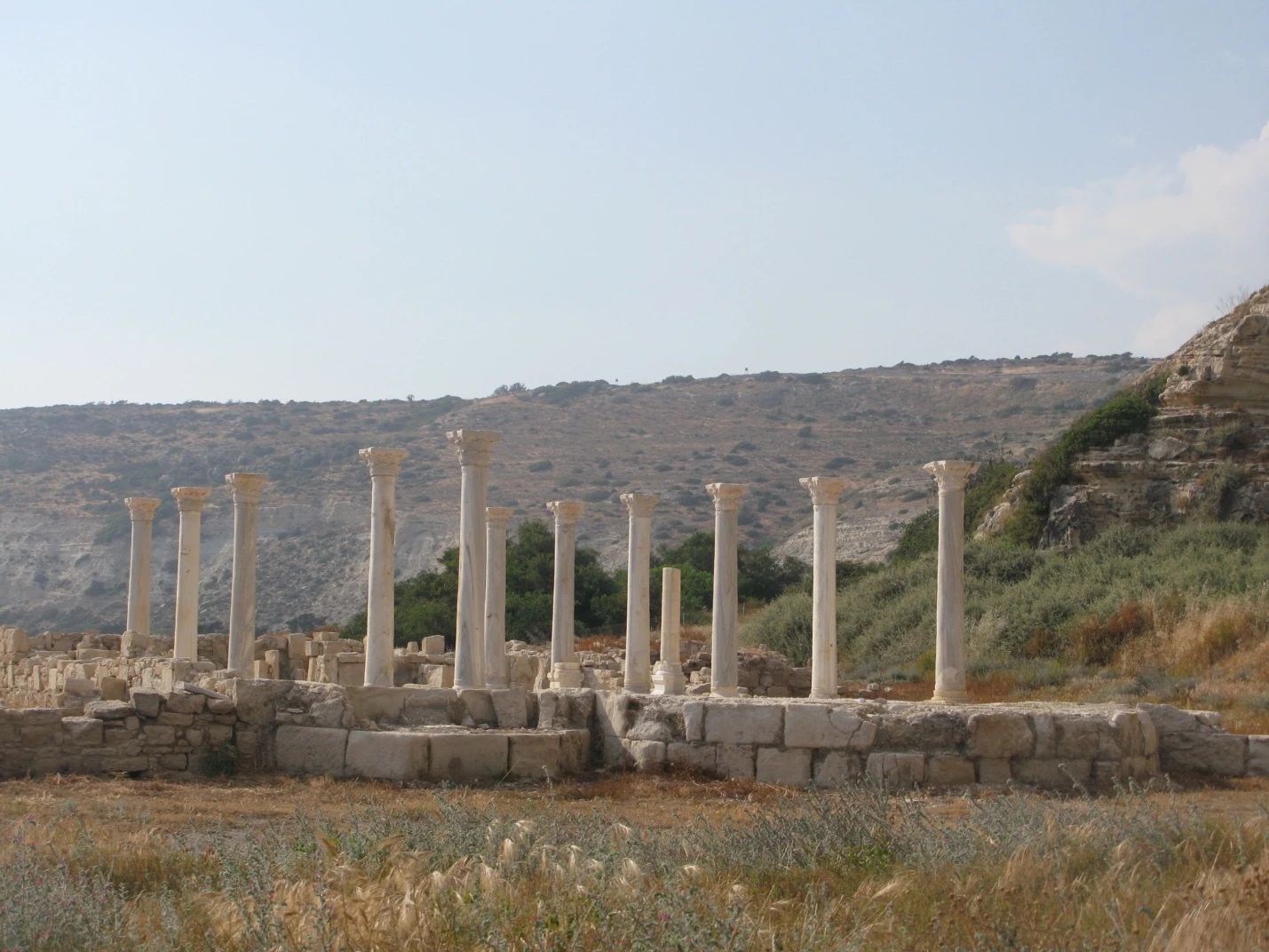
At the foot of the Kourion hill we encountered an early Christian complex that had not appeared in our description of the site at the time.
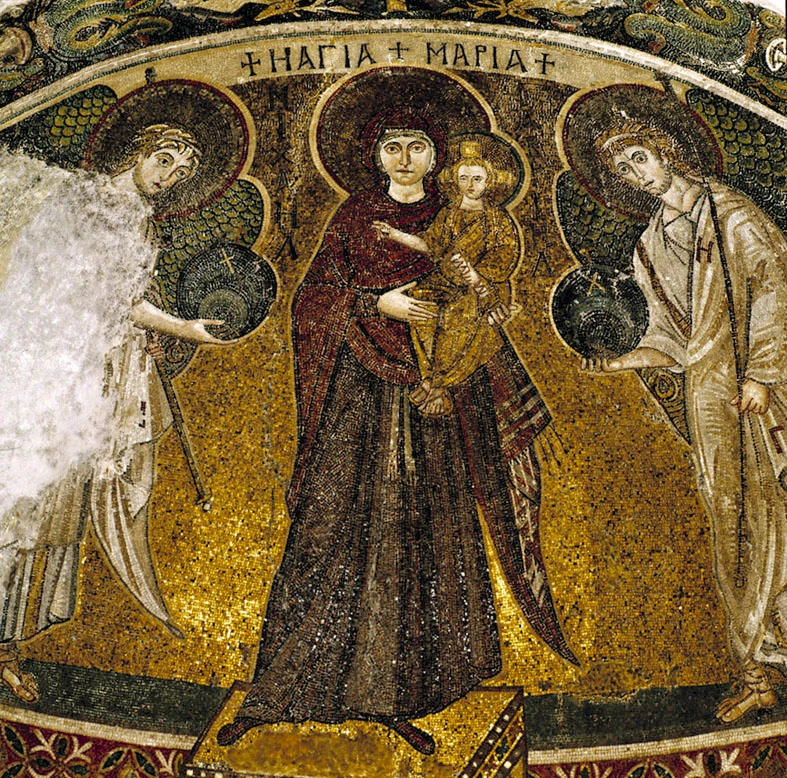
At Kiti we saw one of the island’s rarest early Christian mosaic ensembles: the Virgin and Child between the archangels.

This short museum chapter highlights the mosaics from Lythrangomi, a sixth-century icon and a double-sided icon of Saint Marina whose earlier face dates to the eighth century.
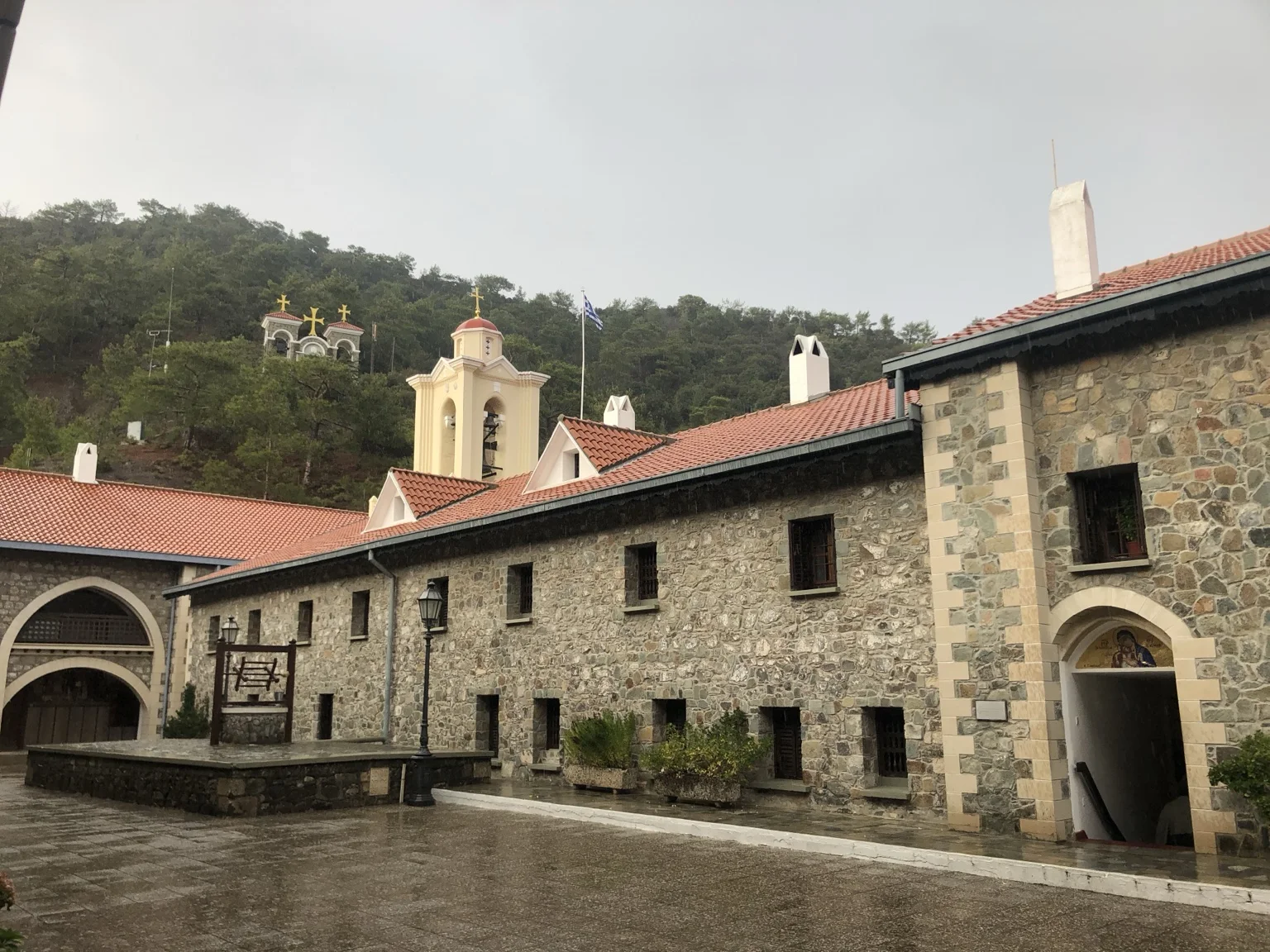
The principal monastery in our family route is associated with the tradition of a miraculous icon, repeated fires and a rich museum collection.
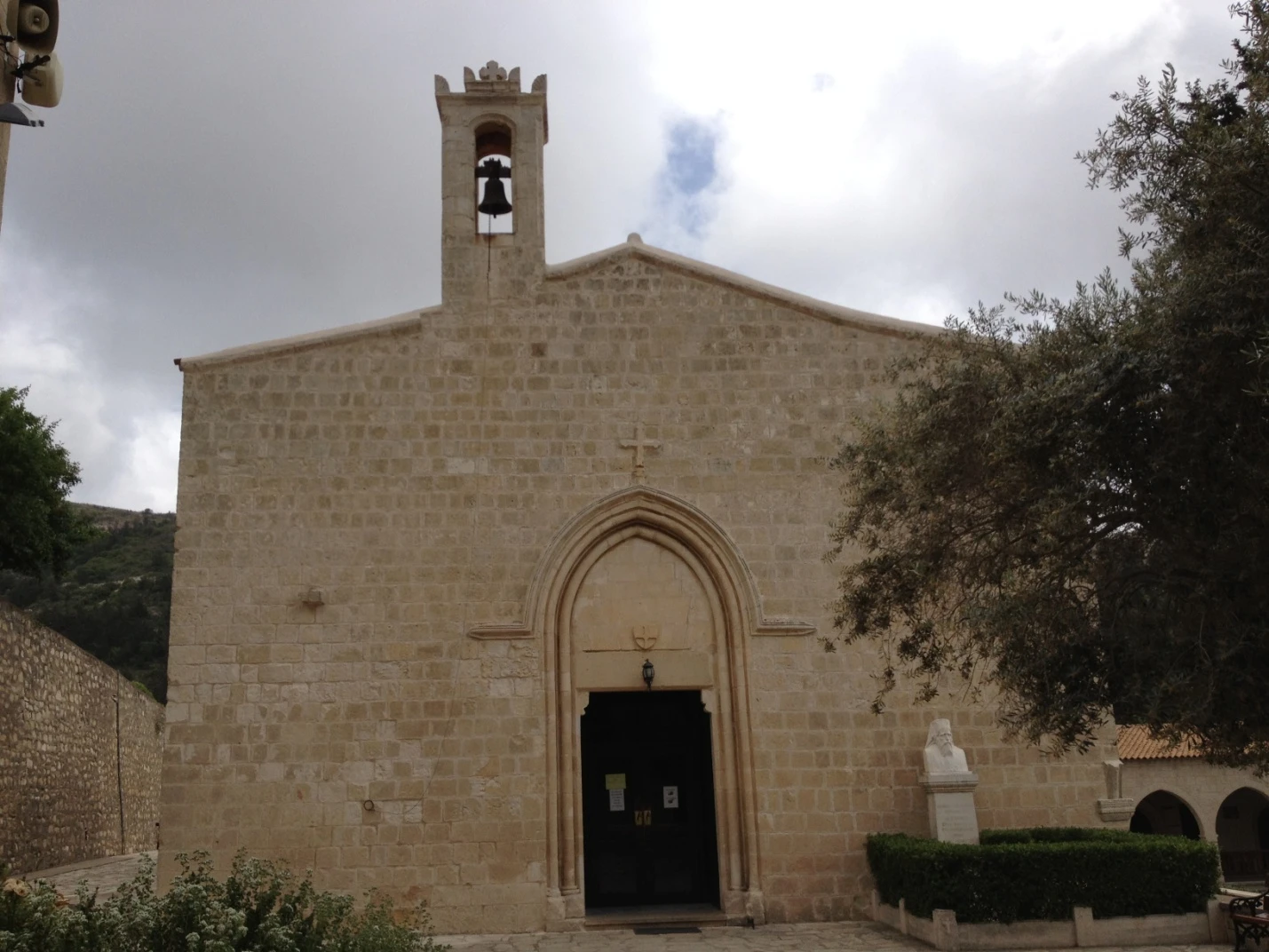
The hermit’s cave, rock-cut cells and frescoes tell the story of one of Cyprus’s best-known medieval writers.
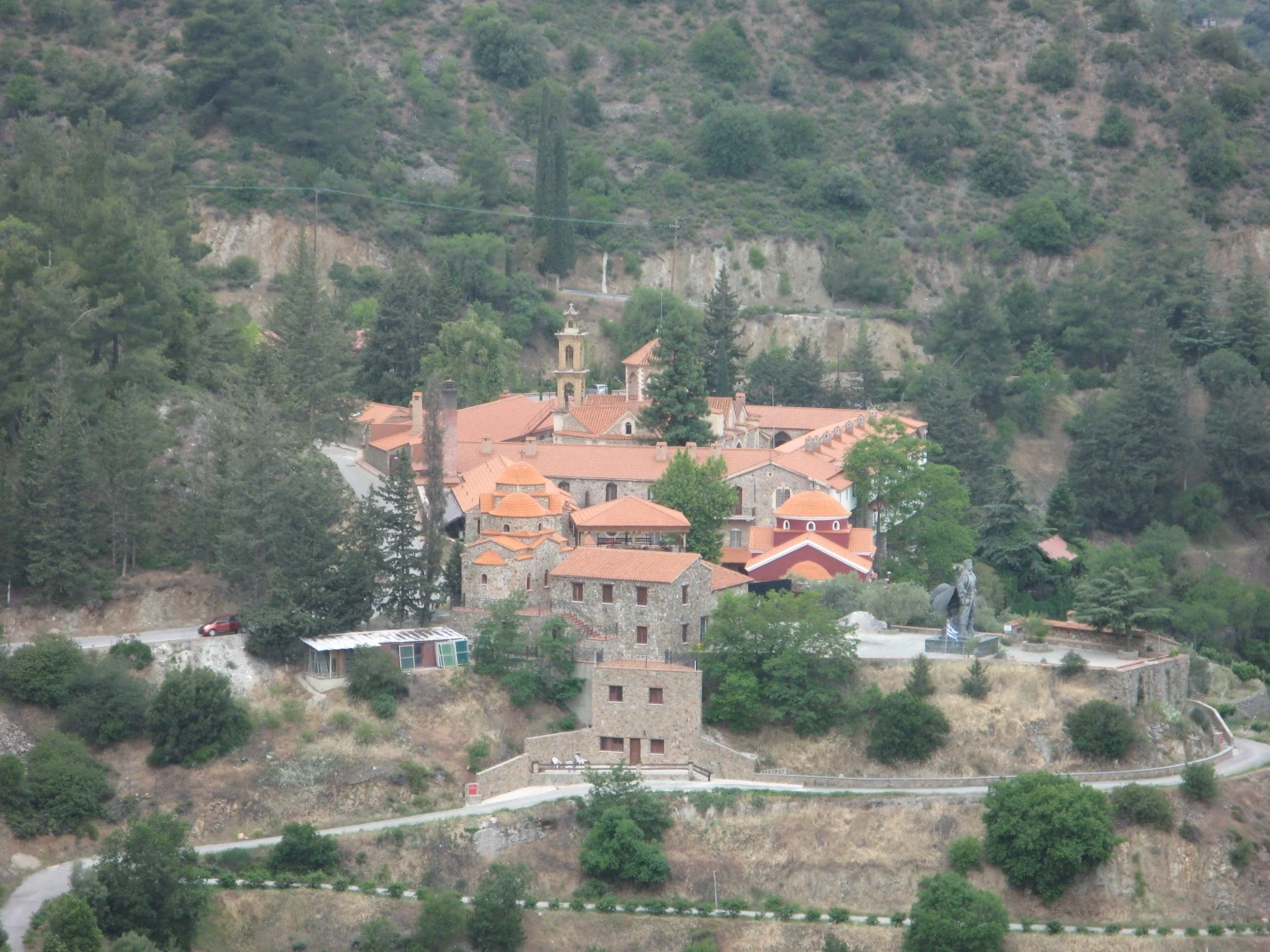
The narrow mountain road, imperial patronage and the icon of Panagia Machairiotissa made this one of the most personal journeys in our family archive.
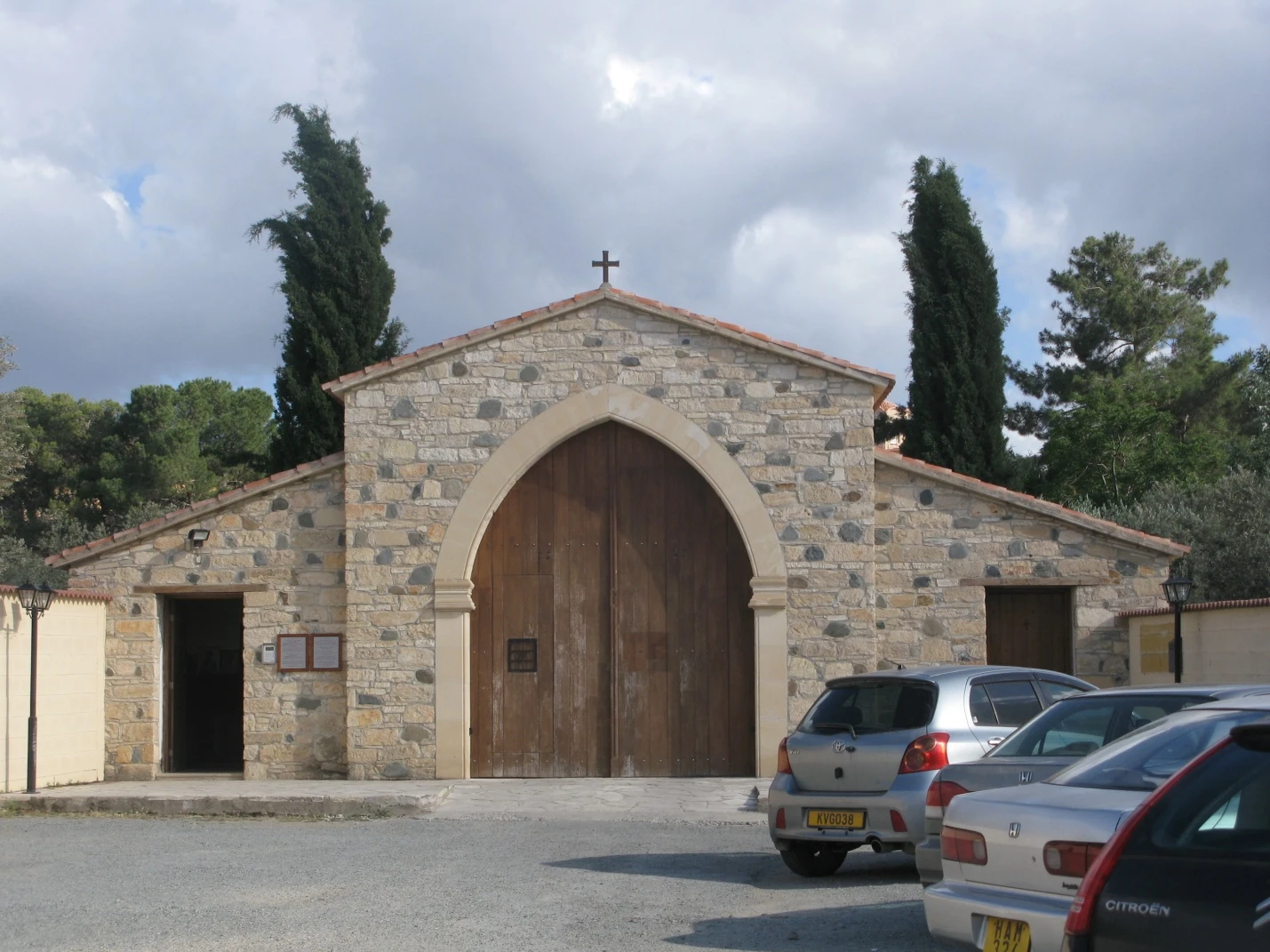
The monastery near ancient Tamassos is associated with a disciple of the apostles Paul and Barnabas.
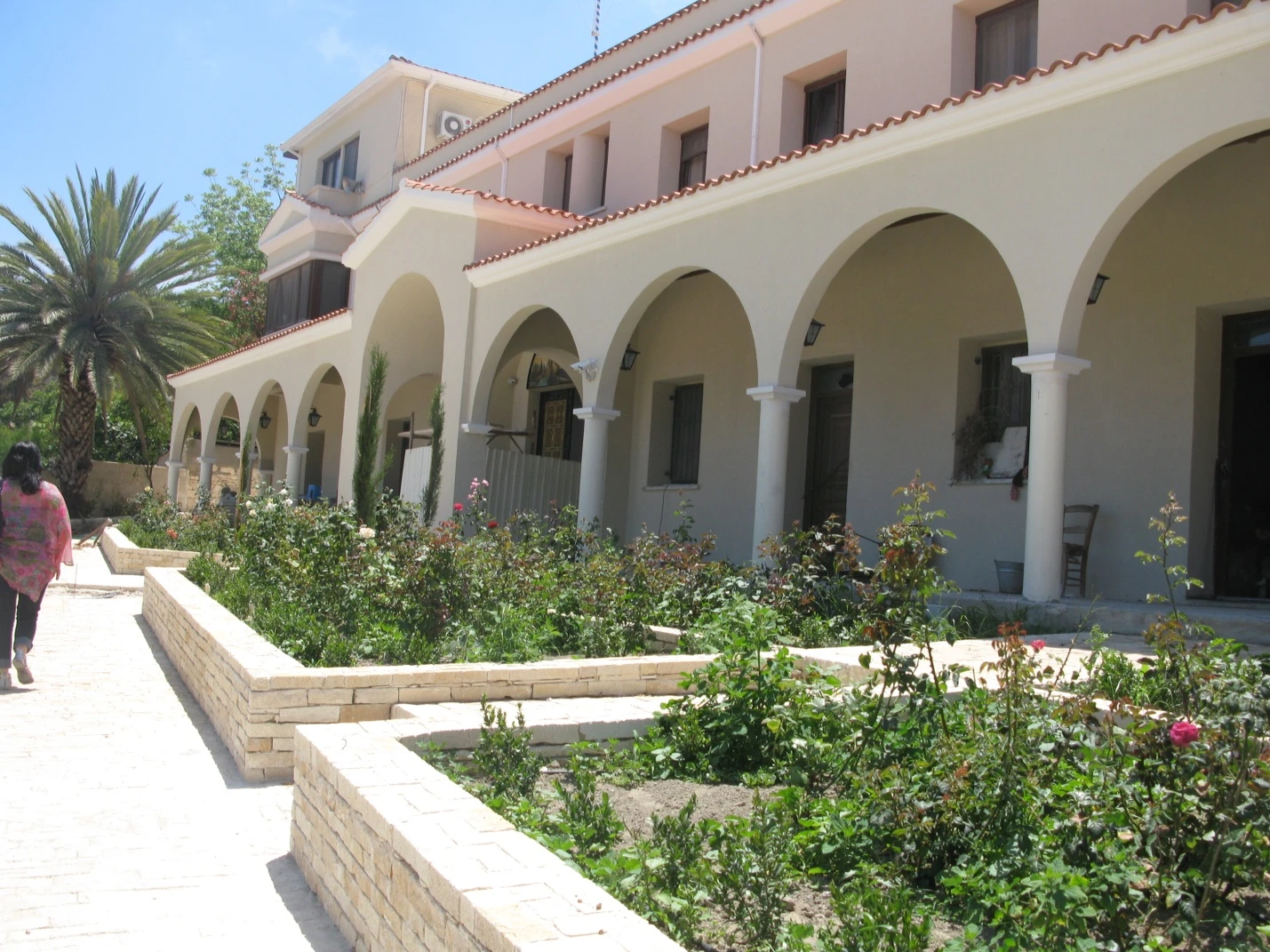
Several traditions explain the monastery’s name, ranging from German monks to the story of Suleiman and the snake.
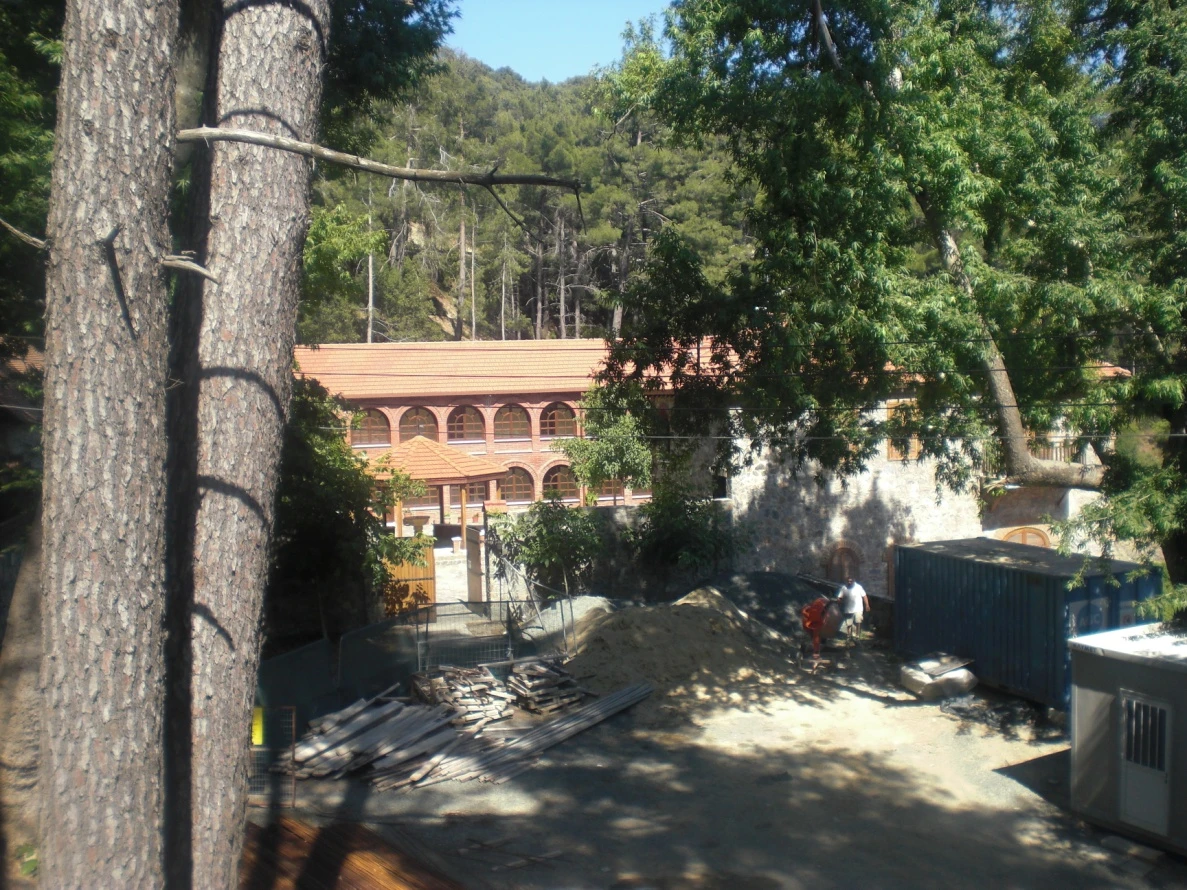
The name “Mesopotamou” reflects the monastery’s position between two rivers in the mountains near Pano Platres.
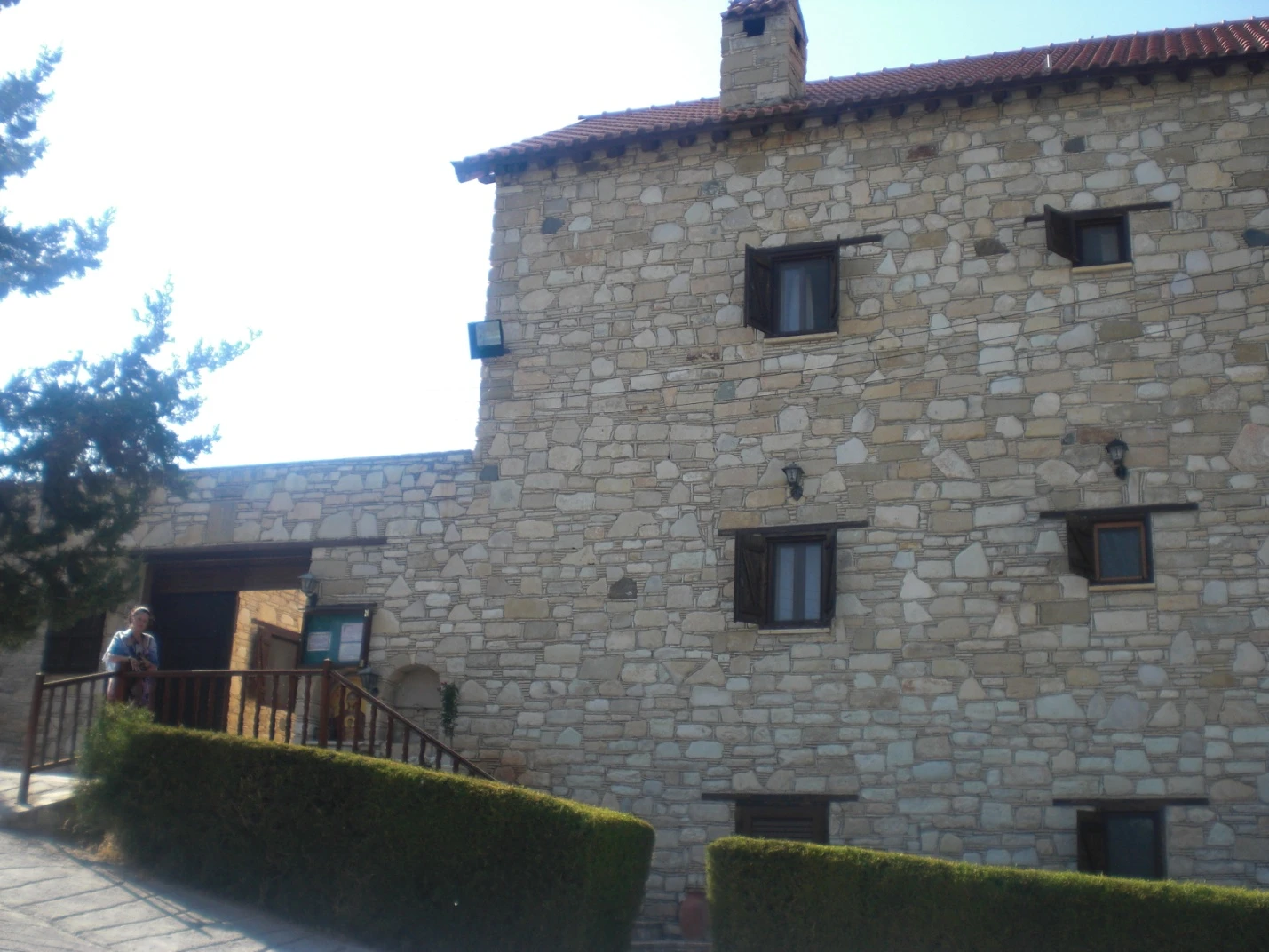
An ancient church with frescoes, restored cells, a hoard of coins and a spring above the Kouris River.
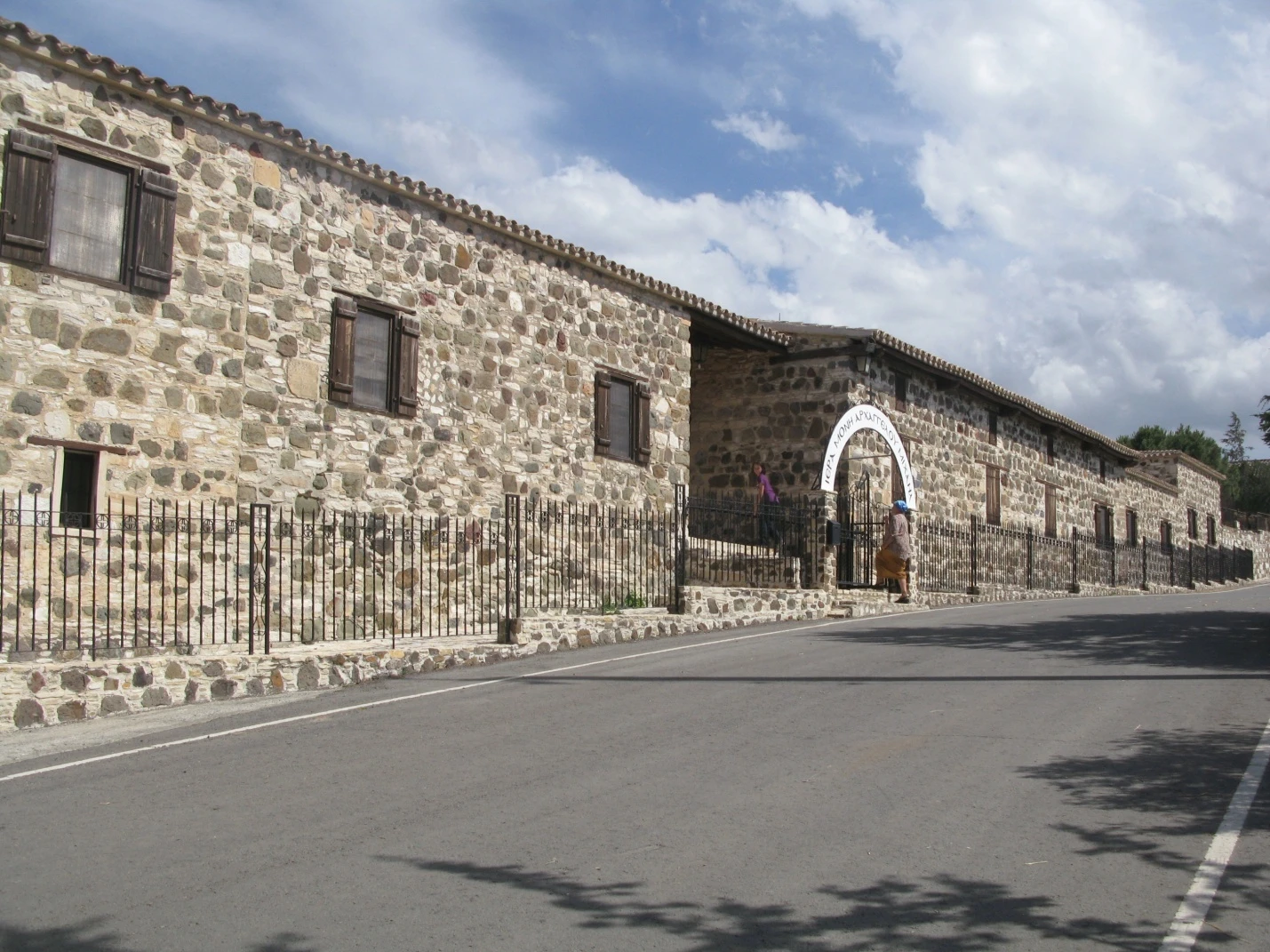
The long stone building beside the road recalls the twentieth-century restoration of an abandoned monastery.
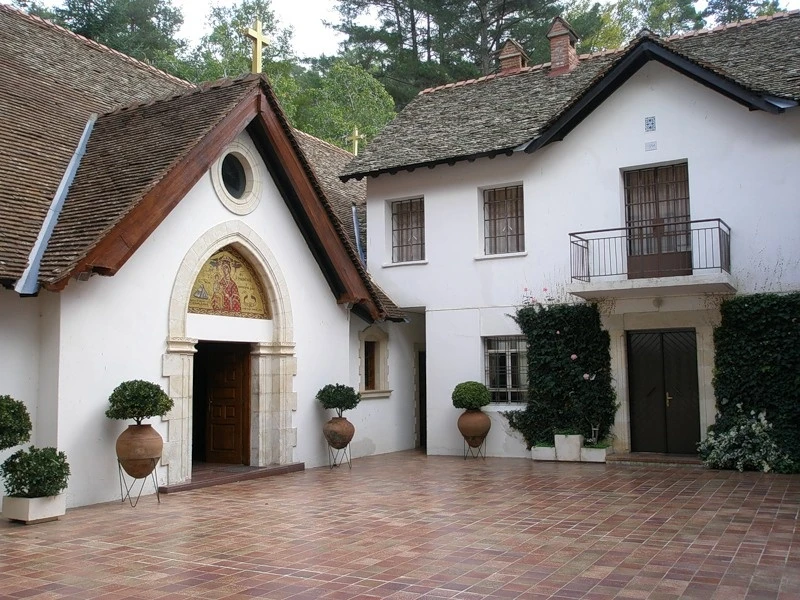
A narrow road leads to a monastery whose history is associated with an icon hidden during the period of Iconoclasm.

We include the museum as a place to see icons, frescoes and returned mosaic fragments without undertaking a long mountain route.
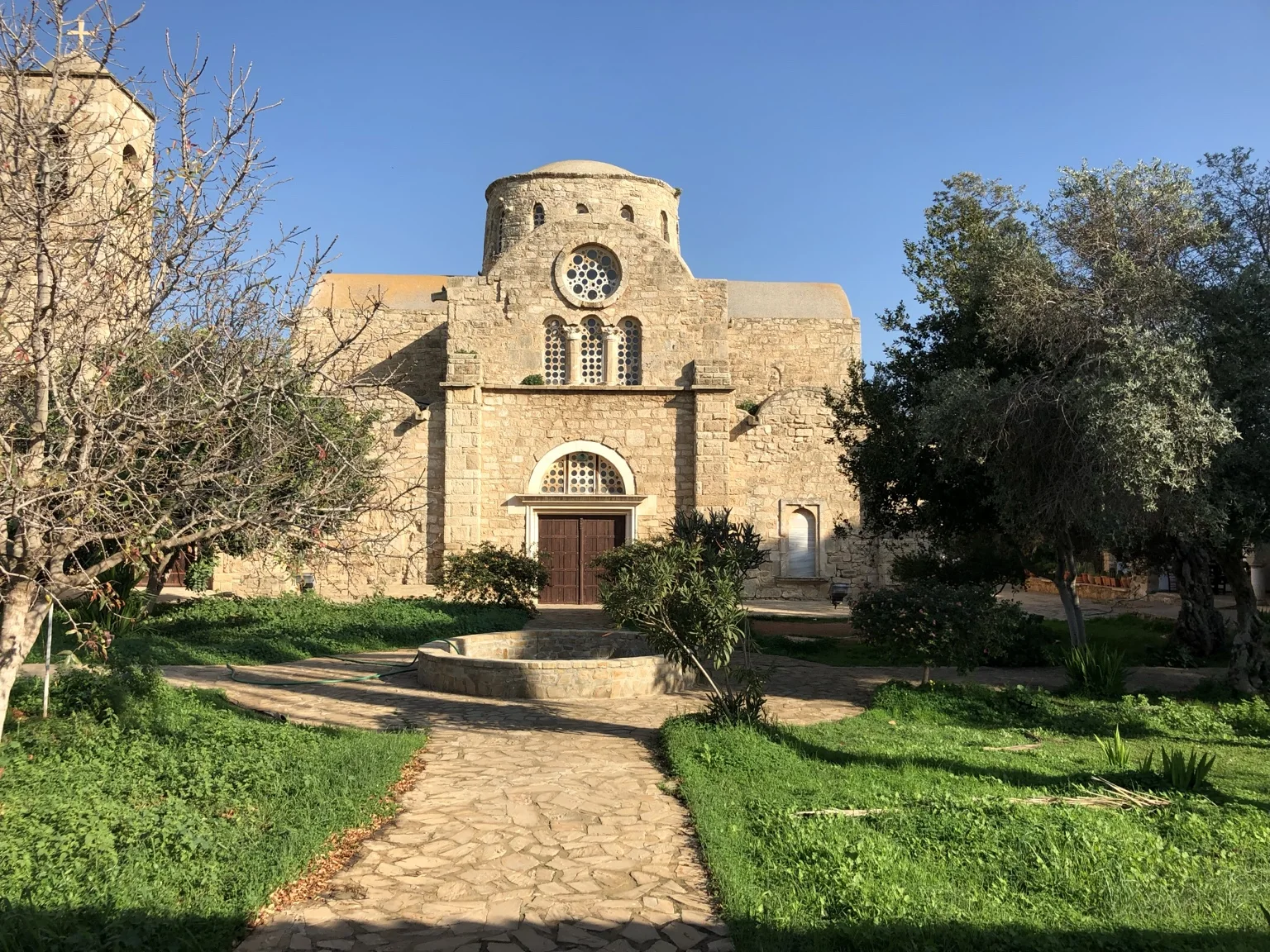
We visited the complex near Salamis and consider the church, museum and the place associated with the veneration of the Apostle Barnabas together.

We include Asinou for one of the most powerful ensembles of wall painting in Cyprus.

We include Panagia tou Araka as one of the most important churches of Byzantine Cyprus.

We include a separate route through the ten painted churches: it is one of the best ways to see the development of Byzantine and post-Byzantine painting on the island.
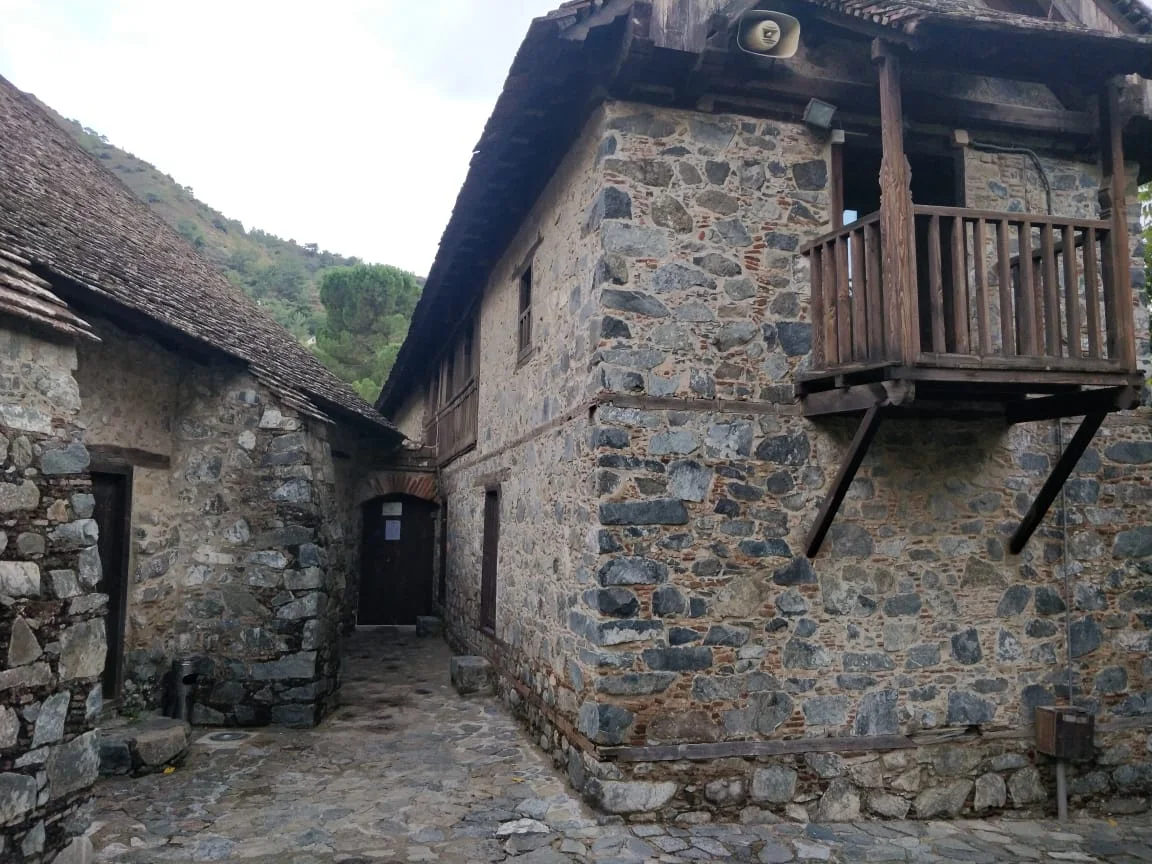
We visited the complex at Kalopanagiotis, where the architecture and wall paintings allow several artistic and historical layers to be compared.

We include the church as a clear example of a Cypriot mountain church protected by a large pitched timber roof.

We include Saint Lazarus as one of Cyprus’s principal urban Christian monuments and an important link between biblical tradition, Byzantium and modern Larnaca.
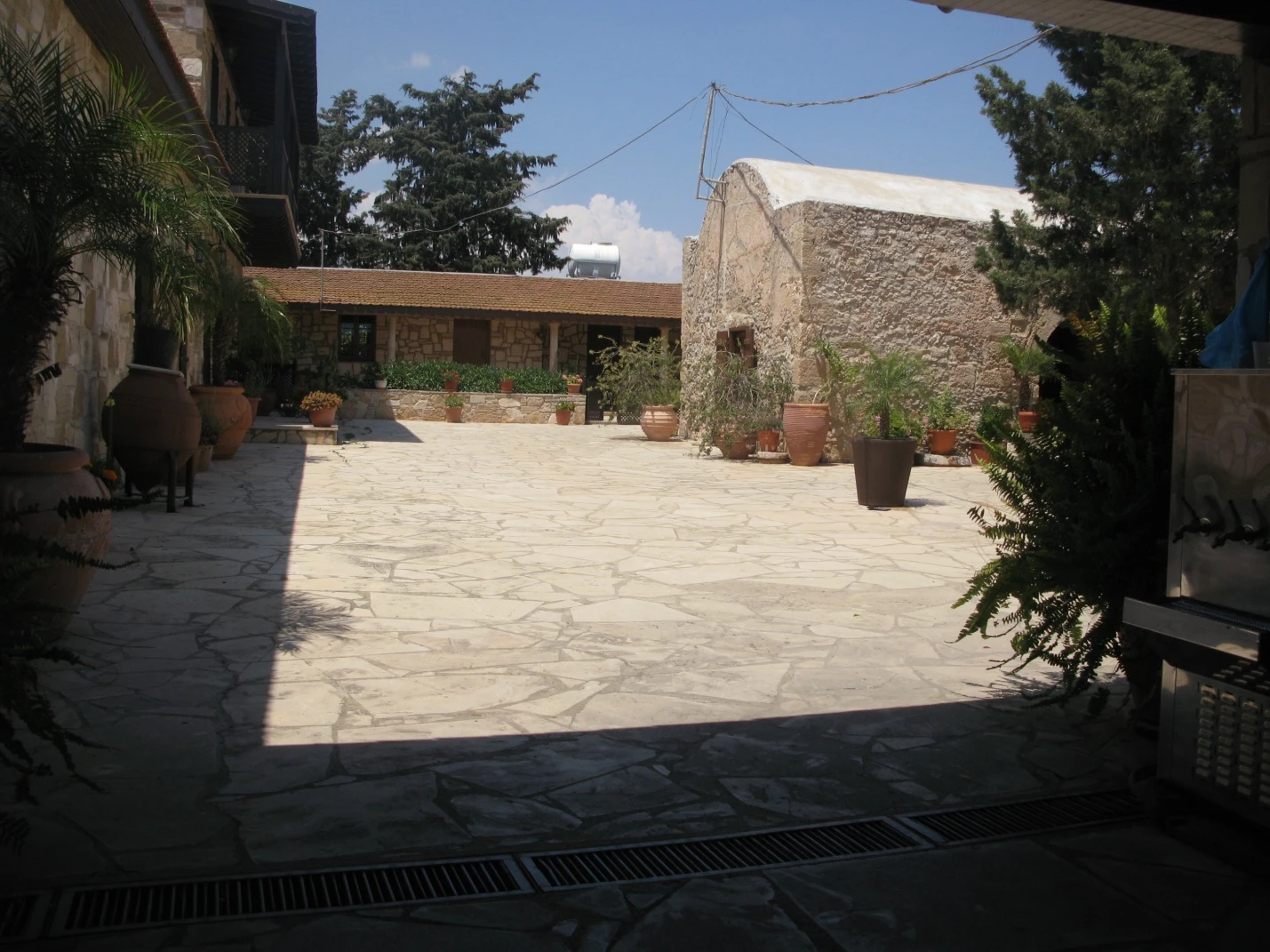
Three churches, frescoes and stories of martyrs connect this Cypriot monastery with Antioch and the island of Lesbos.
One of the most atmospheric chapters: a concrete wall, a military installation, partly open gates and two nuns in a monastery beside the dividing line.
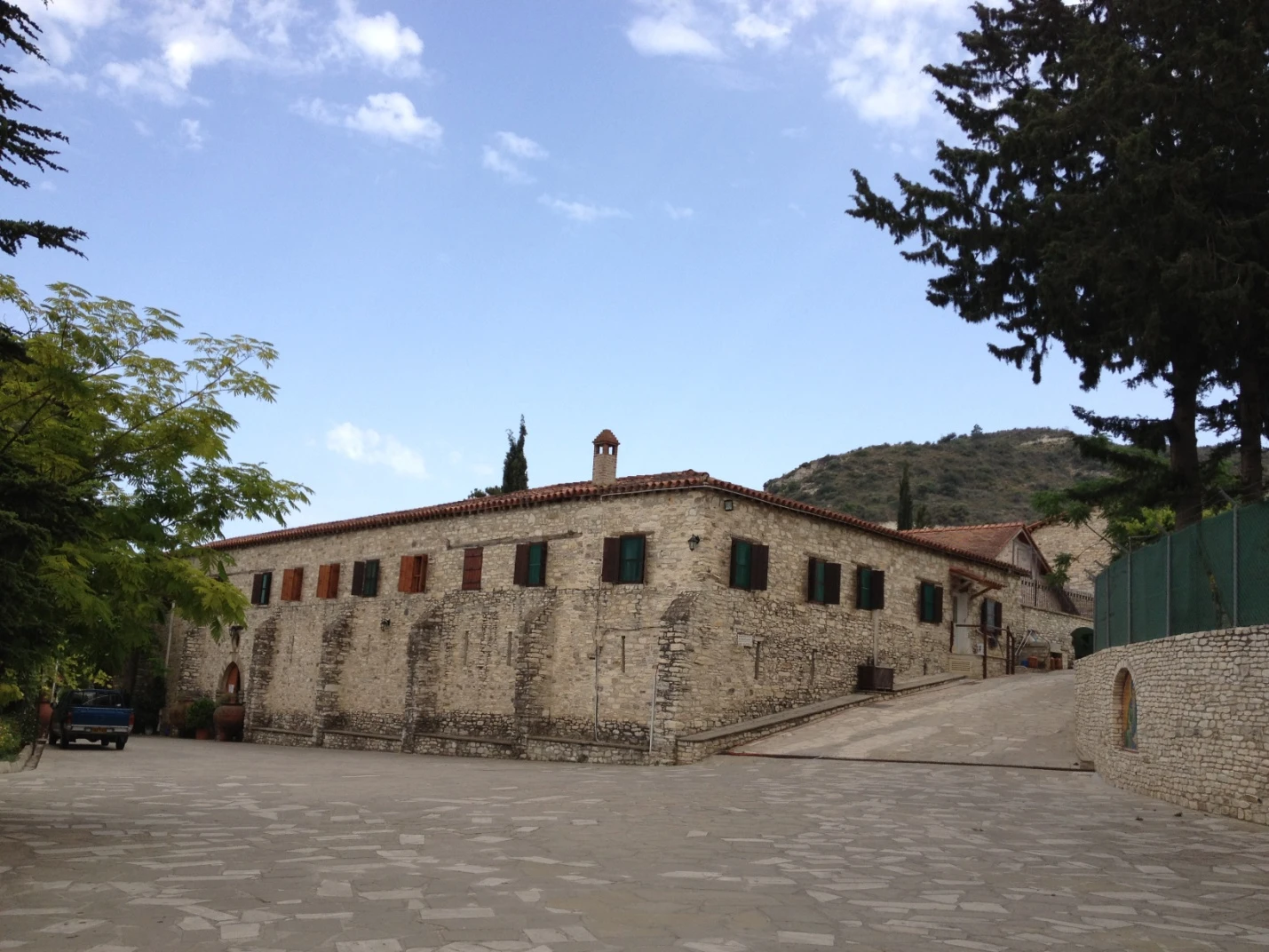
This stone monastery in the hills east of Vavla is known for its spring and eighteenth-century frescoes by the painter Philaretos.
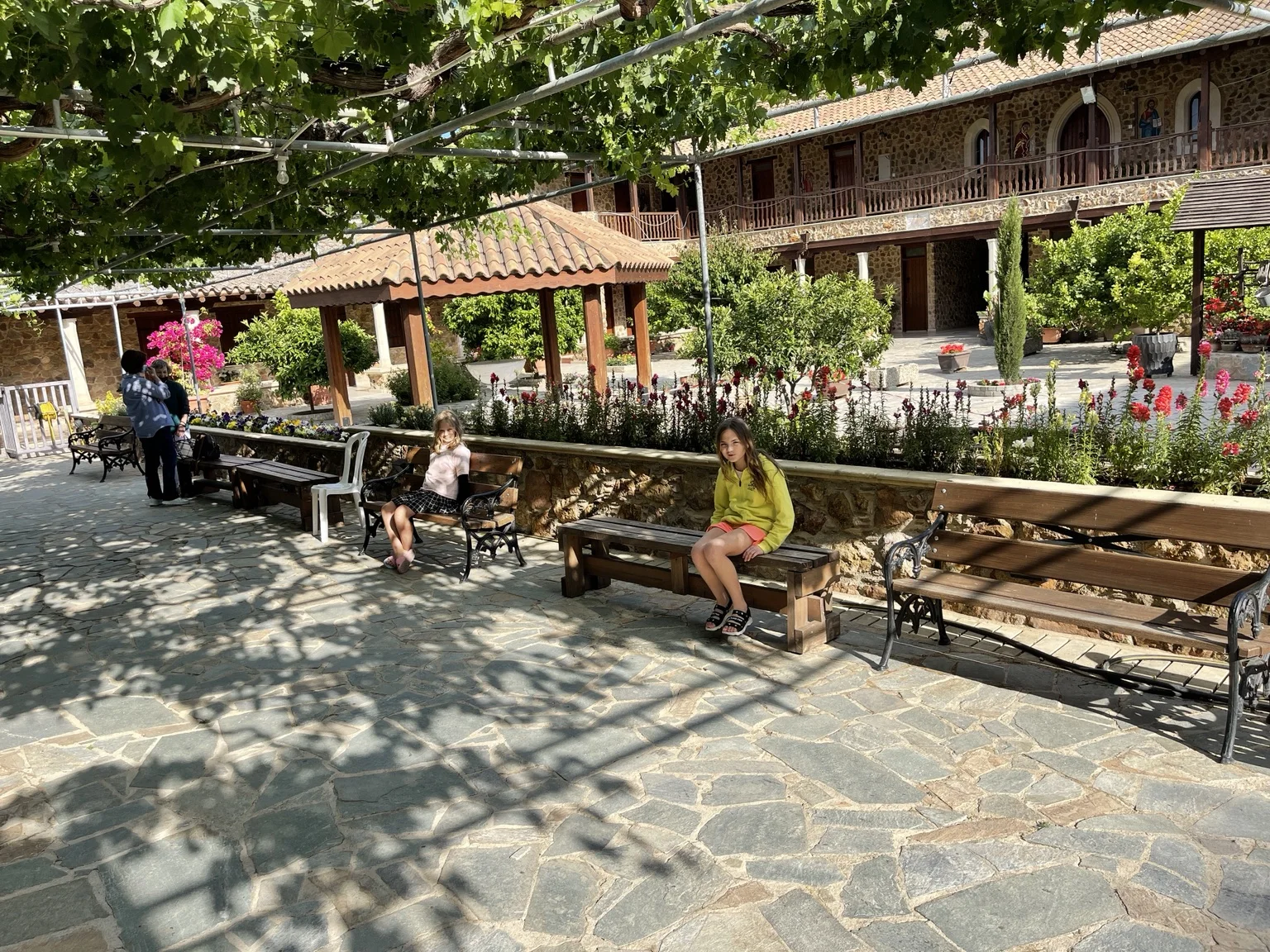
We remember the stone inscriptions, the arcade, the quiet courtyard and the spring directly beneath the church.
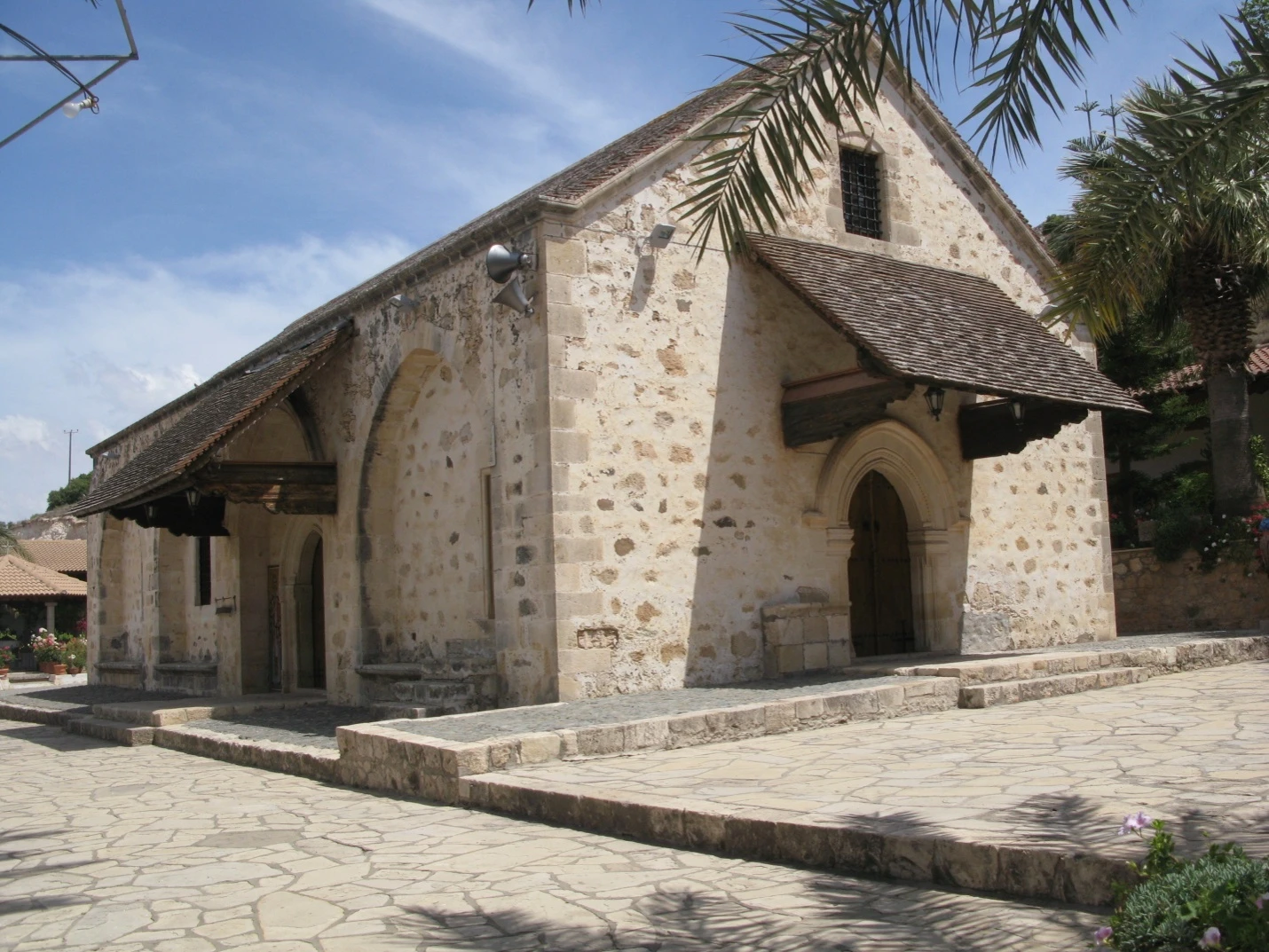
A small stone church and a carved inscription accompany the story of the physician and martyr saint.
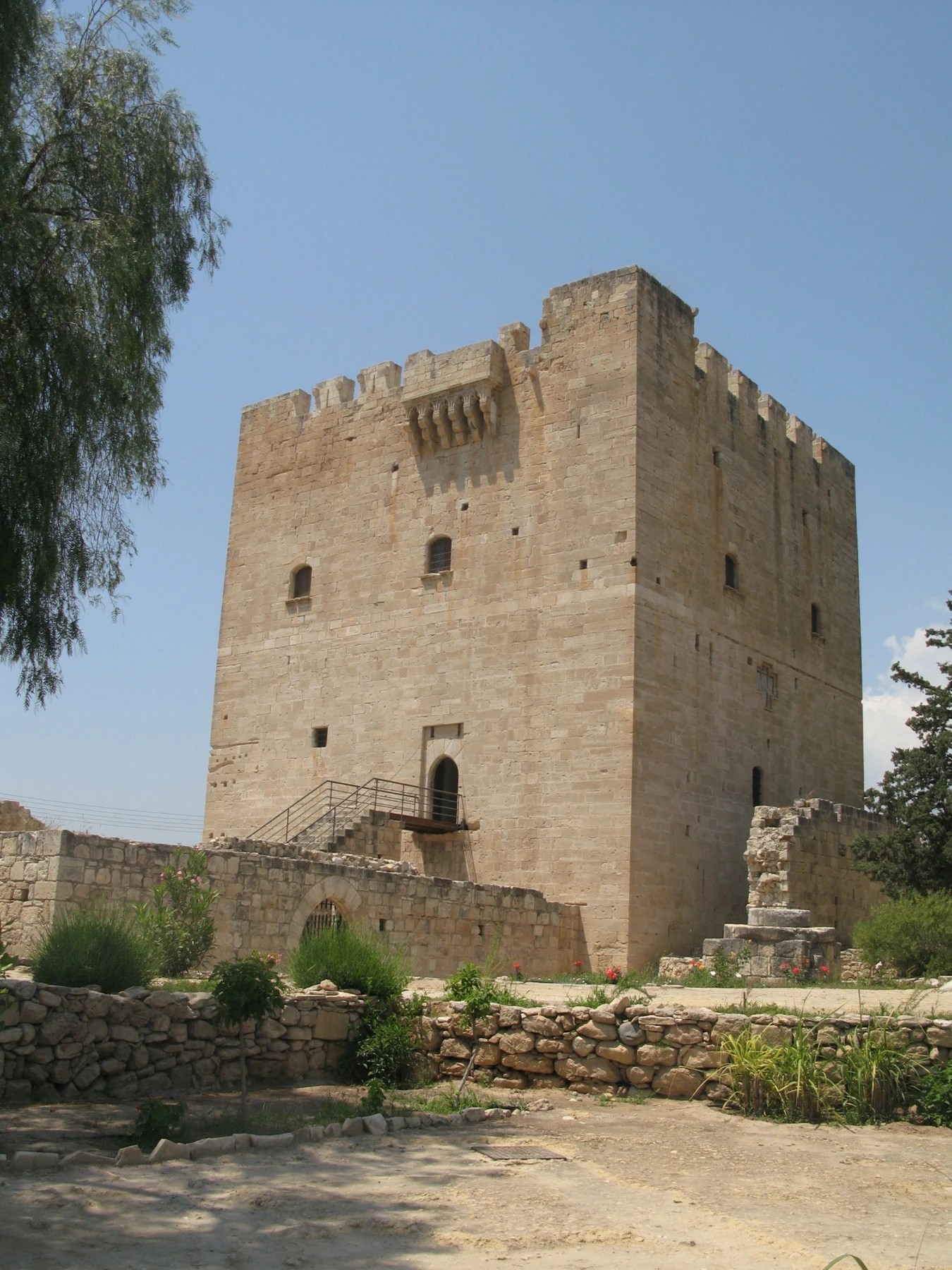
The monumental tower, coats of arms, aqueduct and church tell a story of knights, wine and sugar production.
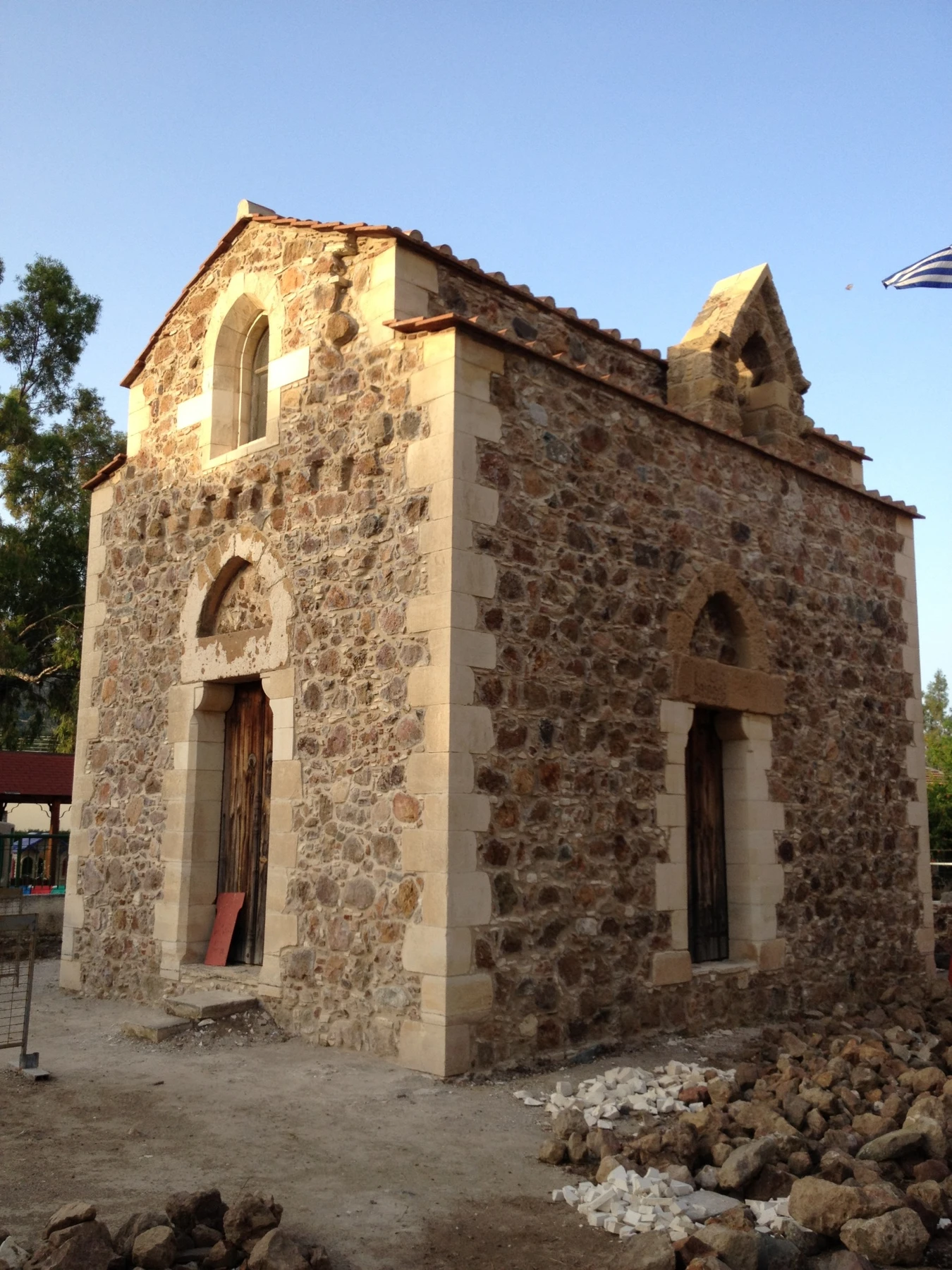
This small building preserves Lusignan-period frescoes, coats of arms and portraits of King Janus and Charlotte of Bourbon.

We include Bellapais in order to show not only fortresses but also the monastic Gothic architecture of Frankish Cyprus.

We include the museum to connect the stories of Richard the Lionheart, the Lusignans, Venice and the Ottoman Empire in one urban location.

We include Famagusta’s principal Gothic monument to connect Cyprus with the architecture of medieval France and the history of the Lusignan kingdom.

We include the building as a rare example of one monument preserving Frankish, Ottoman and modern layers at the same time.
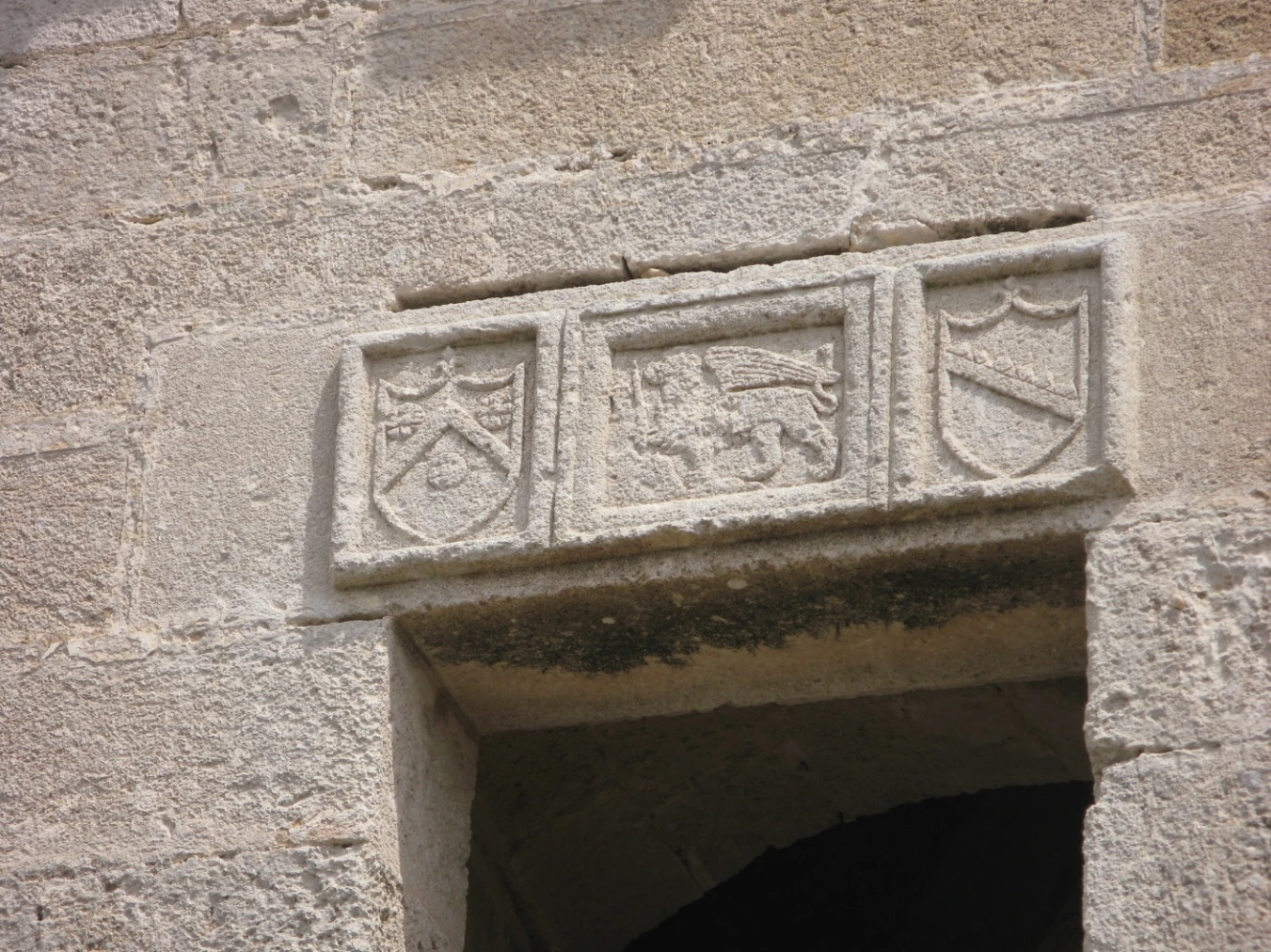
We photographed one of Cyprus’s most expressive Venetian watchtowers and the three coats of arms above its entrance.
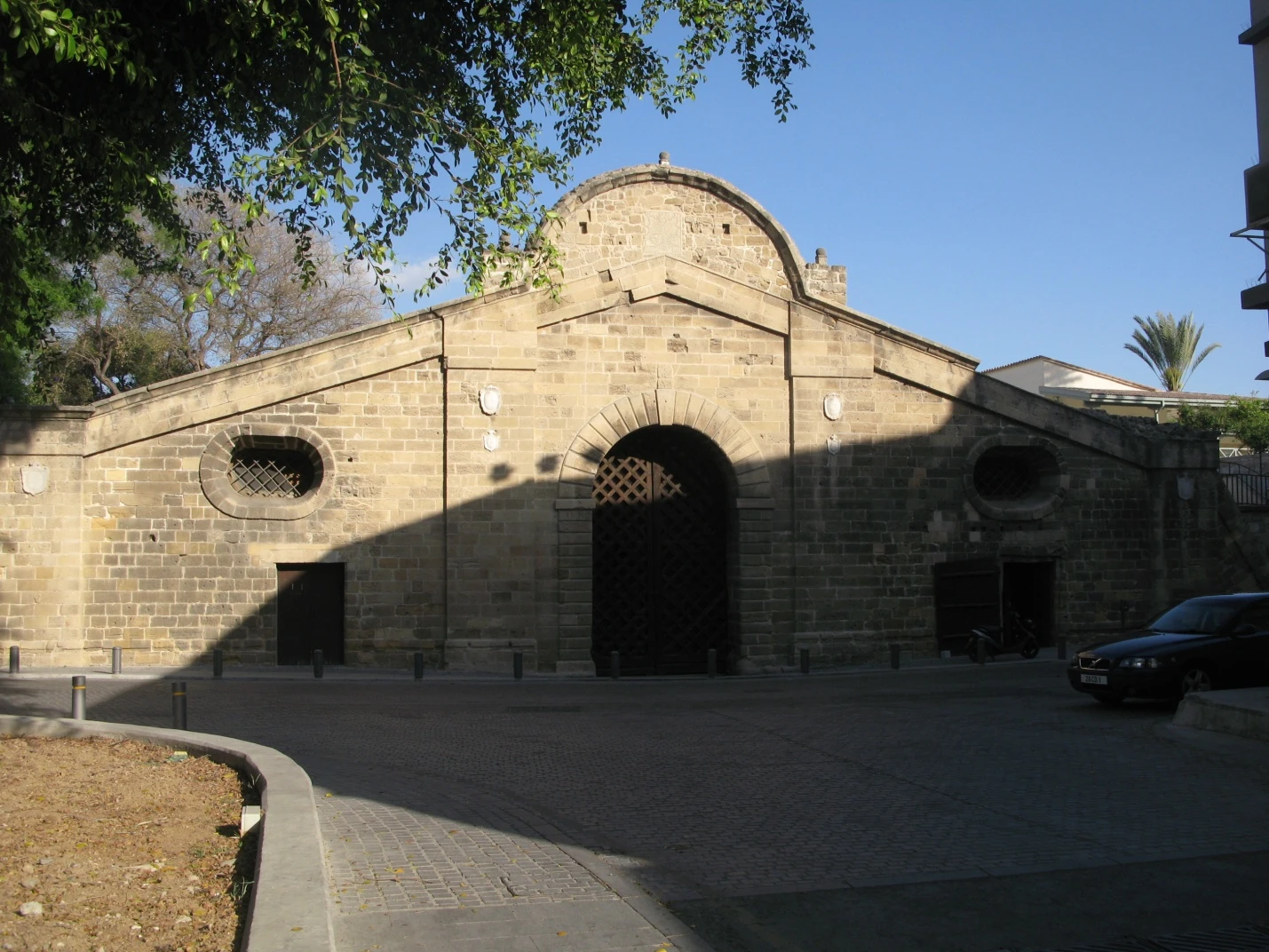
One of the principal entrances to old Nicosia passes through the sixteenth-century Venetian walls.
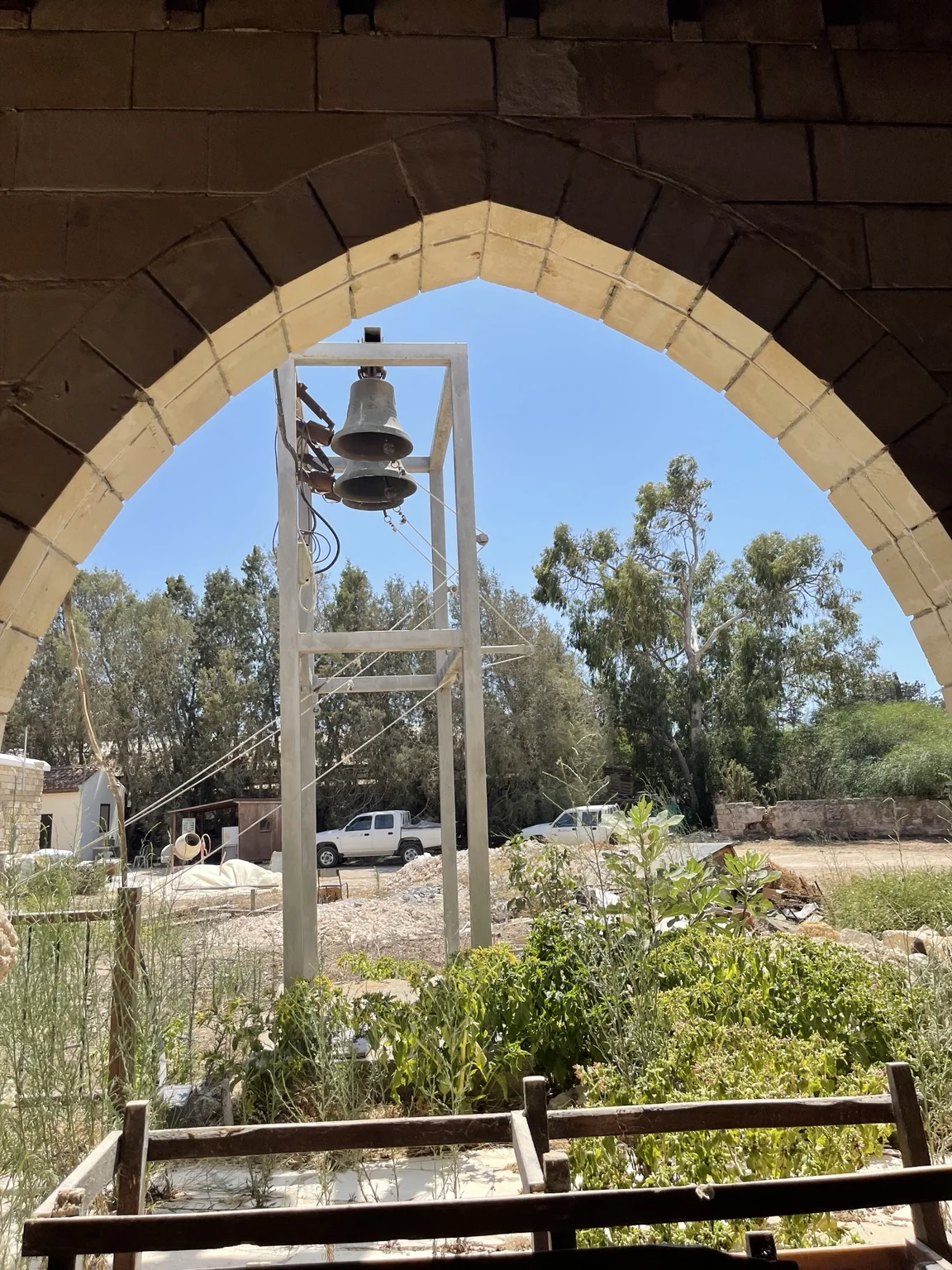
Cats, snakes and a bell form one of Cyprus’s best-known legends in our personal retelling.
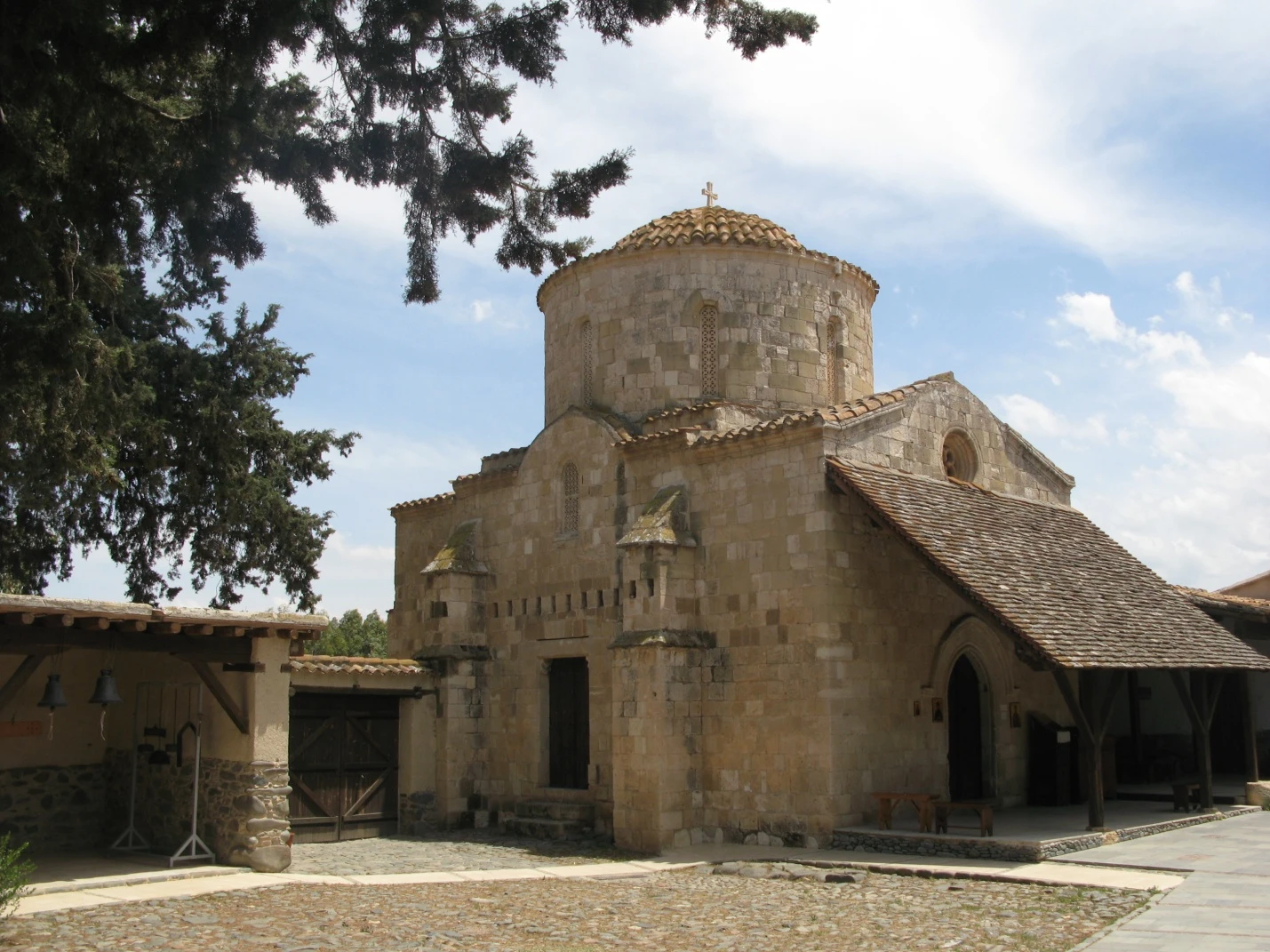
A stone church accompanies a brief account of Saint Nicholas and the development of the Santa Claus image.
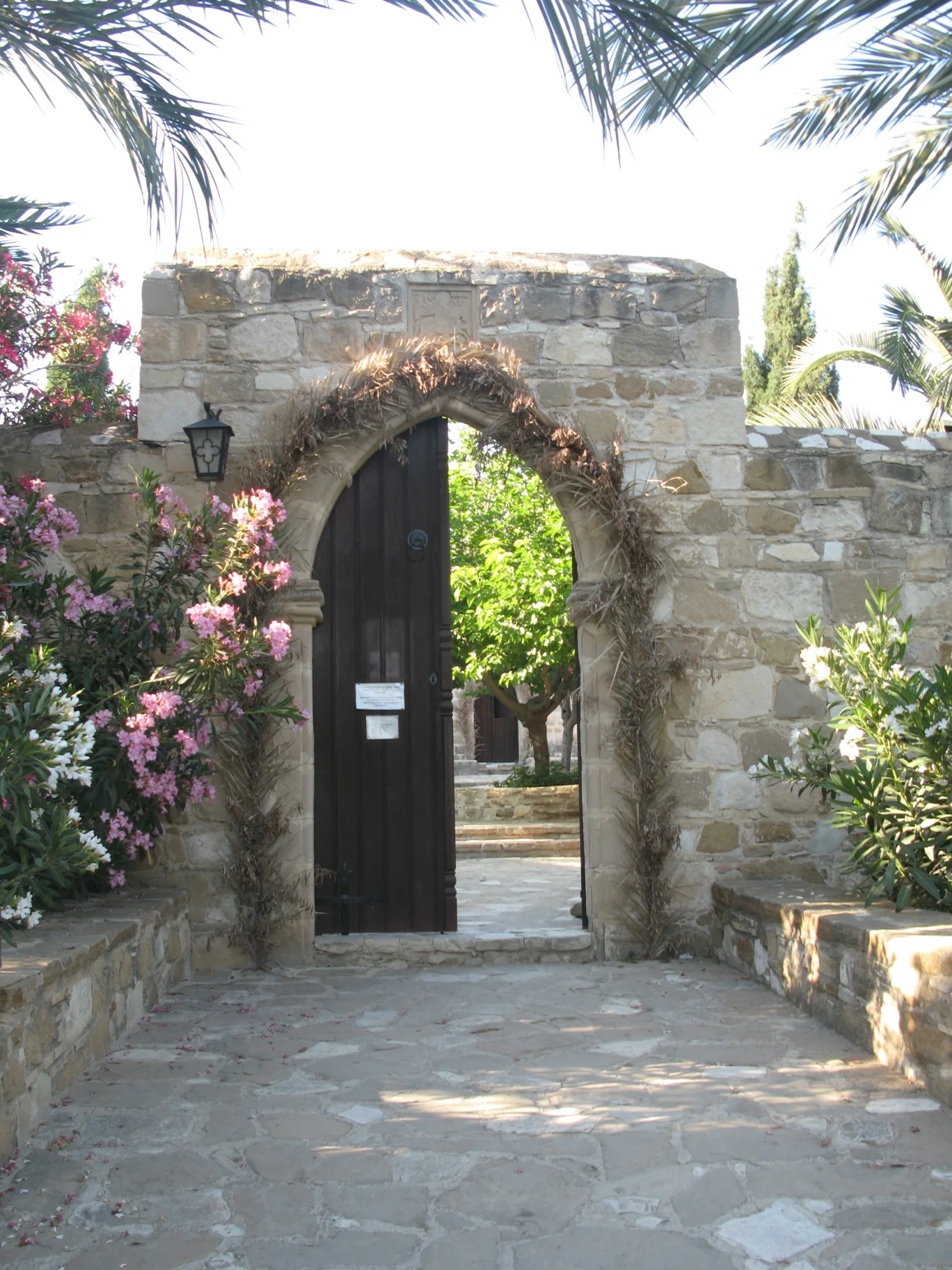
The “black mountain”, a red hill, repeated fires and a restored icon are the main details of this chapter.

We include the Tzelefos, Elia and Roudia bridges as a way to see the history of trade in the landscape rather than in a museum.

We include the entire circuit of walls so that Famagusta Gate is not left as an attractive isolated façade without its military context.

We include Famagusta as the island’s second great centre of Venetian fortification.
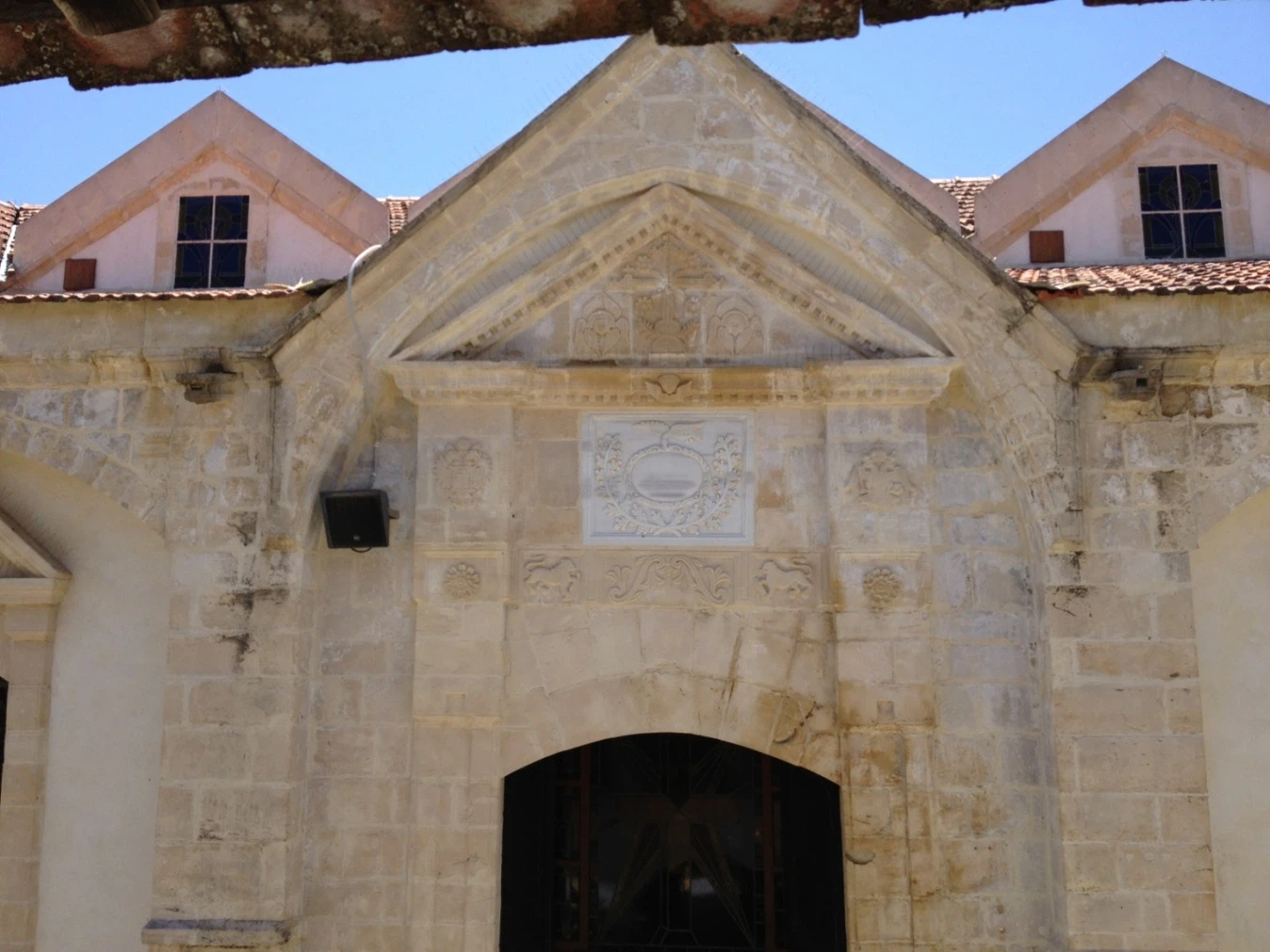
The arcades and pale stone of the monastery are connected in our notes with the tradition of Saint Helena and the relics kept here.
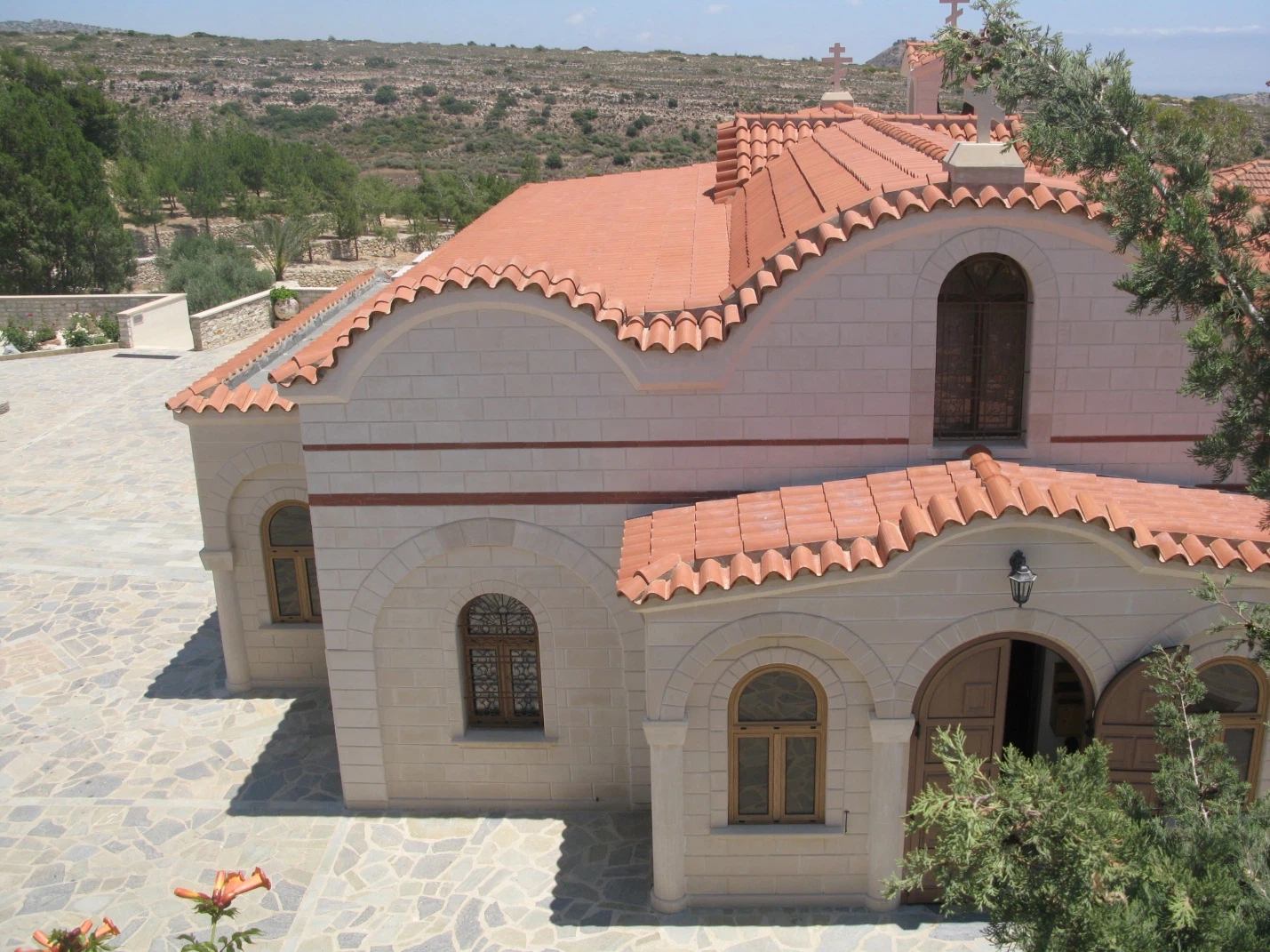
The story of searching by GPS became part of our account of this hillside monastery and its revered icon.
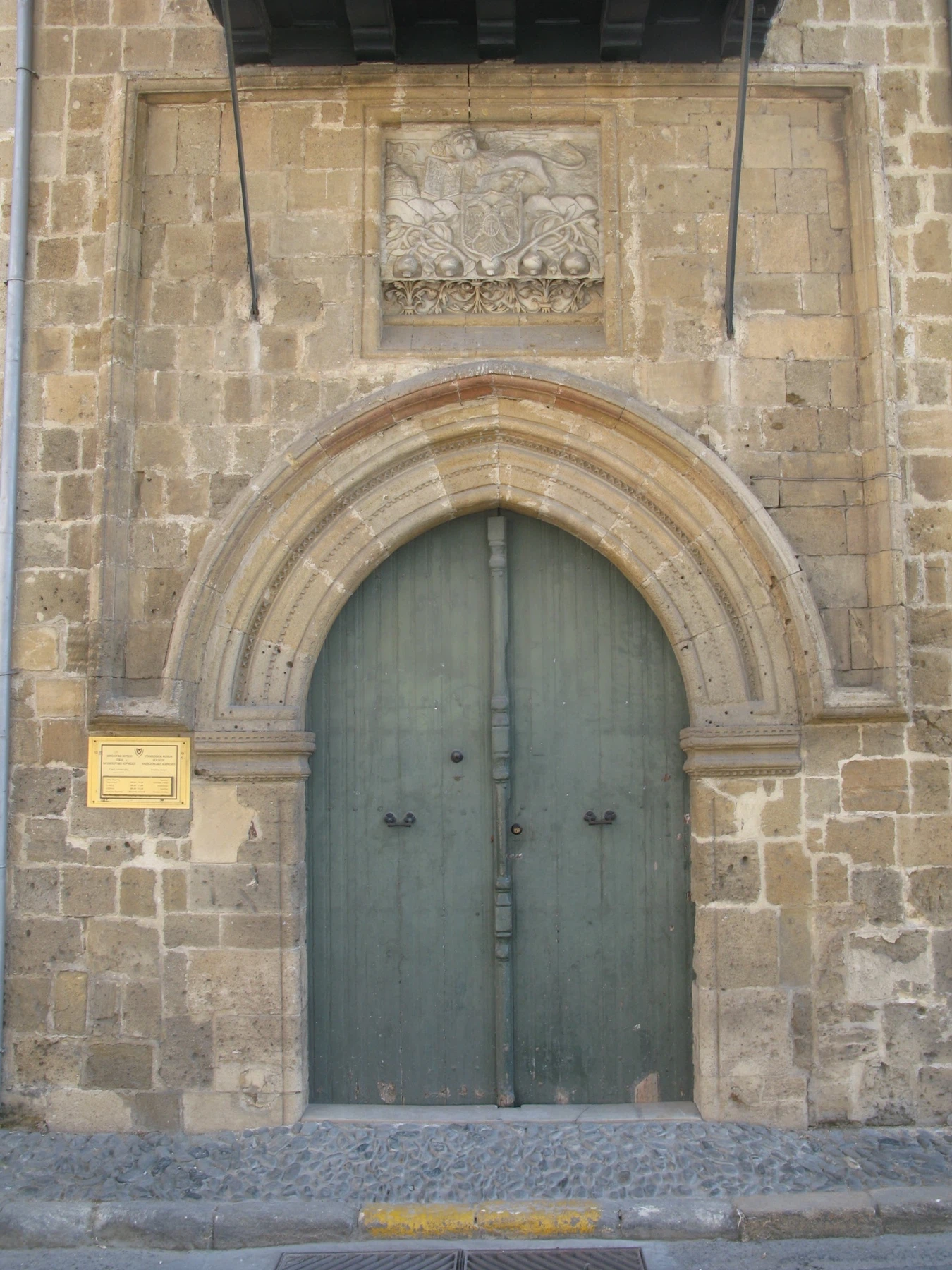
The dragoman’s house preserves furniture, textiles, tableware and the atmosphere of eighteenth-century urban life.

We include Kamares as an example of how imperial history can be seen not only in palaces and temples but also in a city’s water supply.

We include the Great Inn to show the commercial and transport infrastructure of an Ottoman city.

We include Ömeriye as a place where medieval Christian architecture acquired a new life in the Ottoman city.
We include Hala Sultan Tekke so that the religious history of Cyprus is not reduced to Orthodox monuments alone.
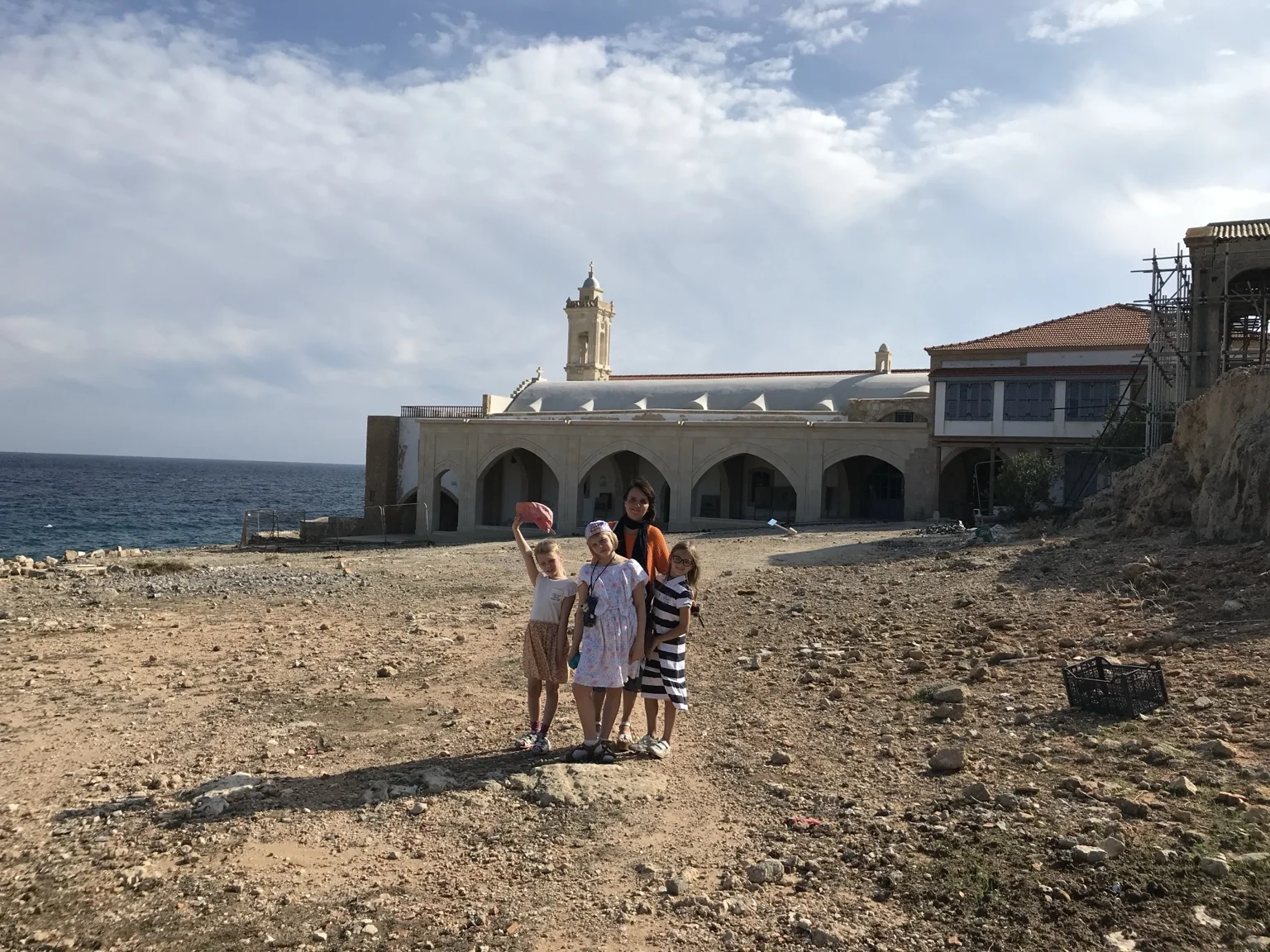
We visited the monastery near the tip of the Karpas Peninsula and distinguish the medieval chapel, the nineteenth-century church, pilgrimage tradition and modern restoration.
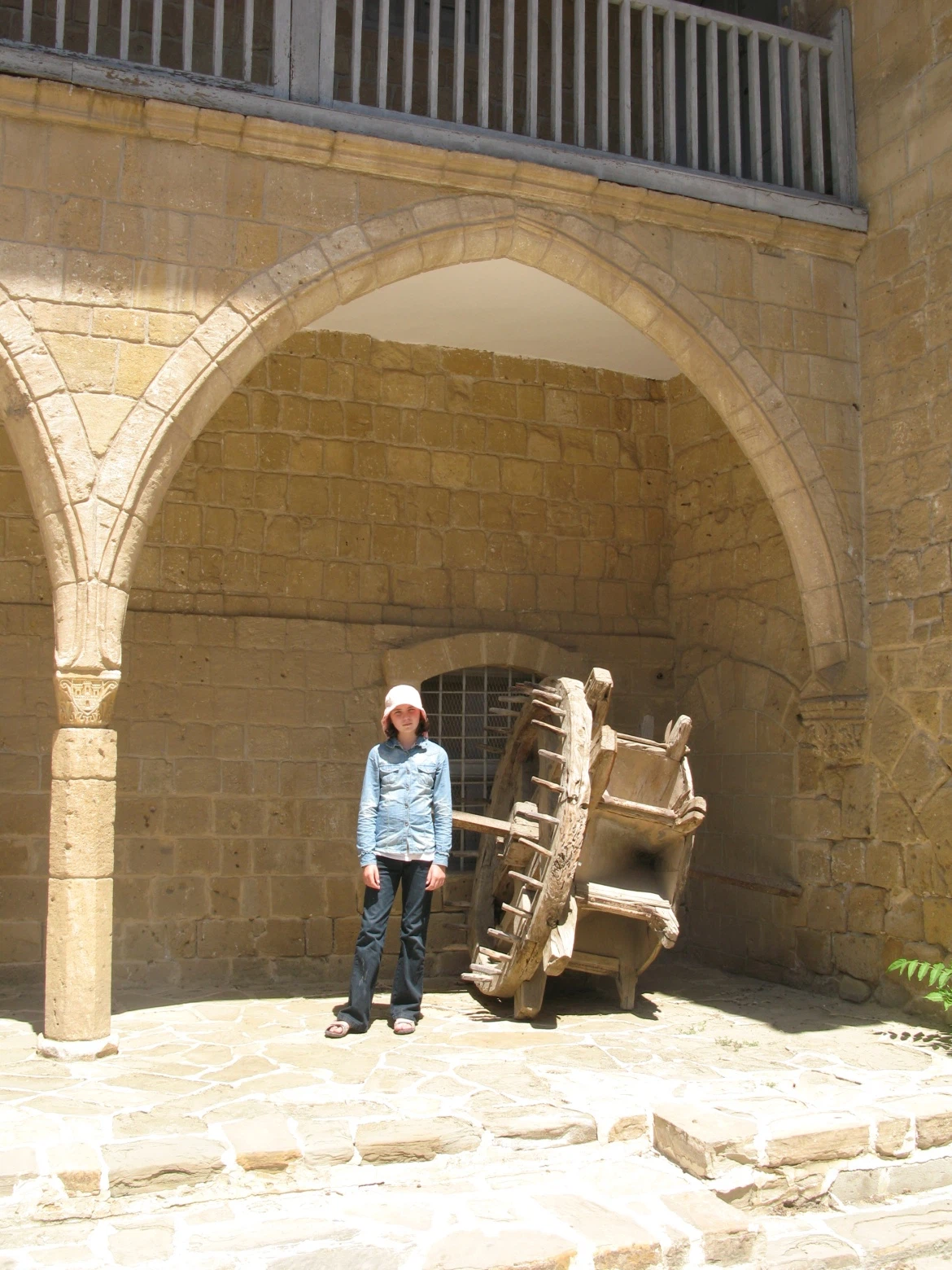
Looms, tambourines, clothing, embroidery and domestic interiors reveal everyday life in the nineteenth and twentieth centuries.
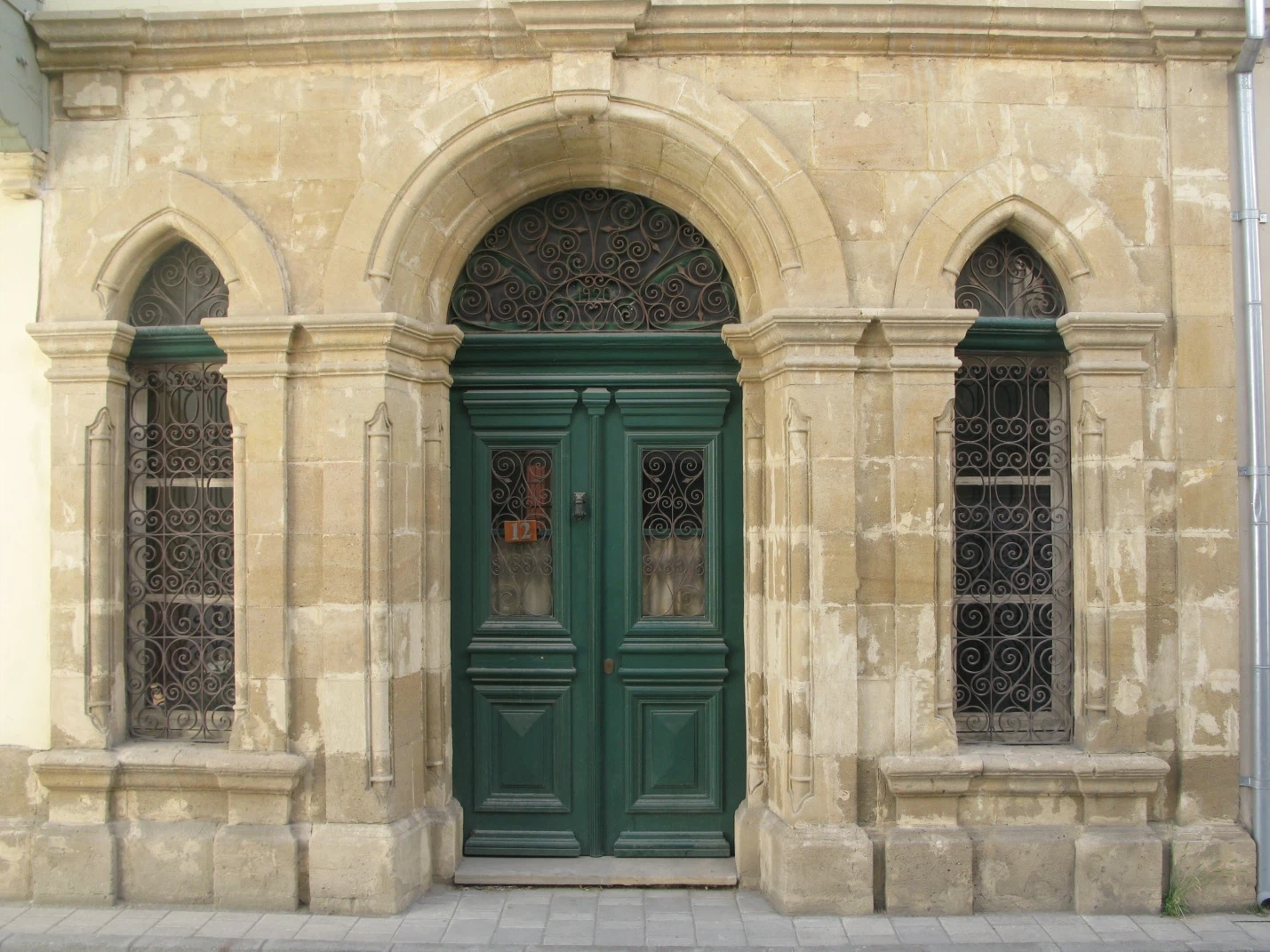
We turned a walk through old Nicosia into a family game by looking for construction dates woven into the metalwork above the doors.

We include the barn as a specific rural memorial to the armed phase of the anti-colonial struggle.

We include the former station so that the British period can be seen not only through politics but also through everyday movement around the island.

We include the museum as a starting point for discussing the leadership of EOKA and the way an image of a historical leader is created after events.

We include the museum as the principal place for learning about the anti-colonial struggle of Greek Cypriots against British rule.

We include the site near Machairas so that one mountain route connects monastic history with the twentieth century.

We include the prison complex as one of the most powerful places of memory connected with the anti-colonial struggle.
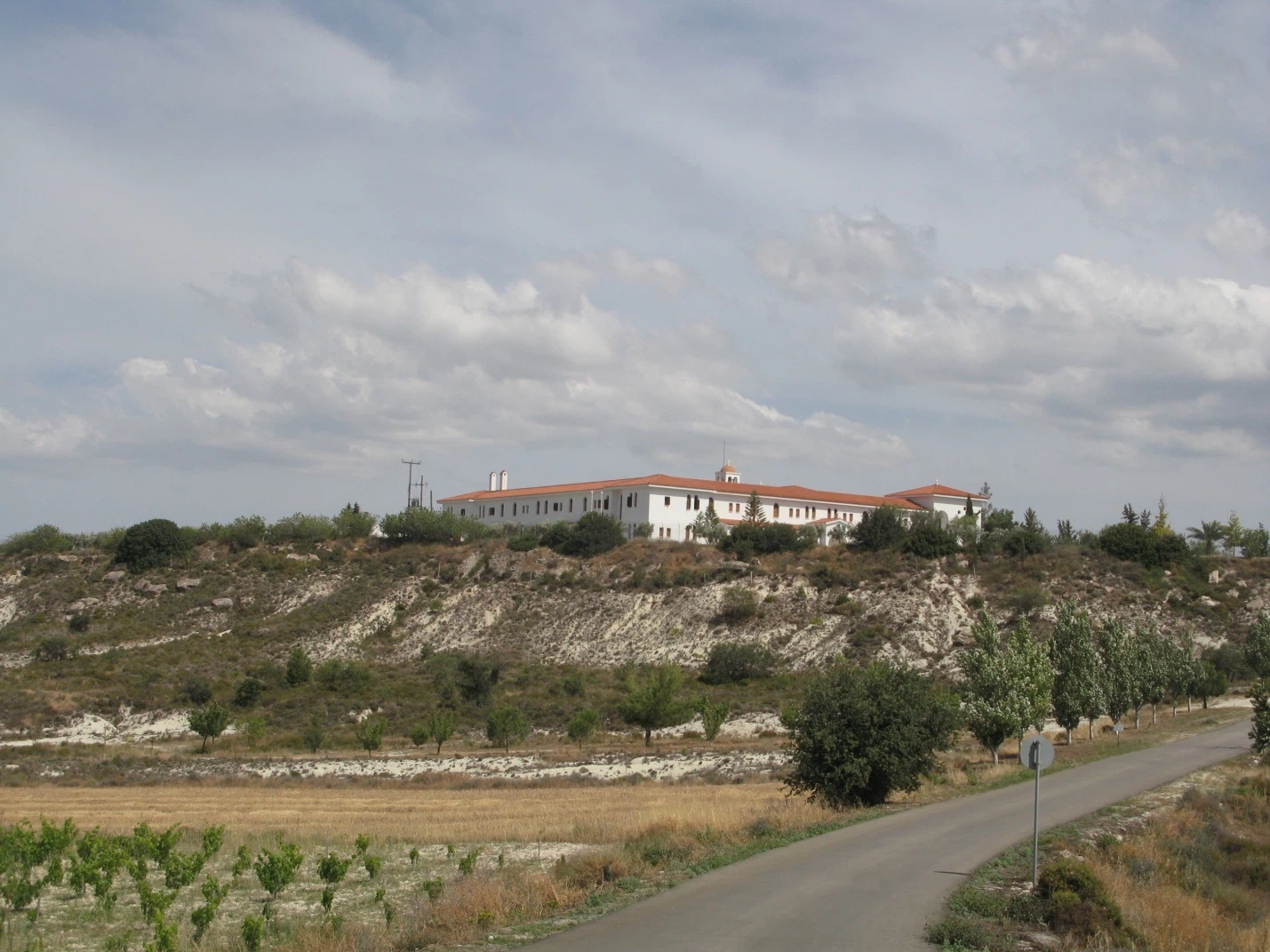
This women’s monastery on a hill shows that the monastic history of Cyprus continued into the twentieth century.

We include Deryneia as a family stop where it is possible to discuss displacement, the closed district of Varosha and the memory of a lost city with care.

We include a walking route so that the island’s division can be seen not only on a map.

We include the memorial complex for a discussion of conflicts after independence and the events of 1974.

We include the museum as an ideal final stop, where the whole history of the capital is assembled once again into one continuous line.

We include this regional museum so that the history of the eastern part of the island is not lost between Nicosia and Paphos.