Prehistoric Cyprus
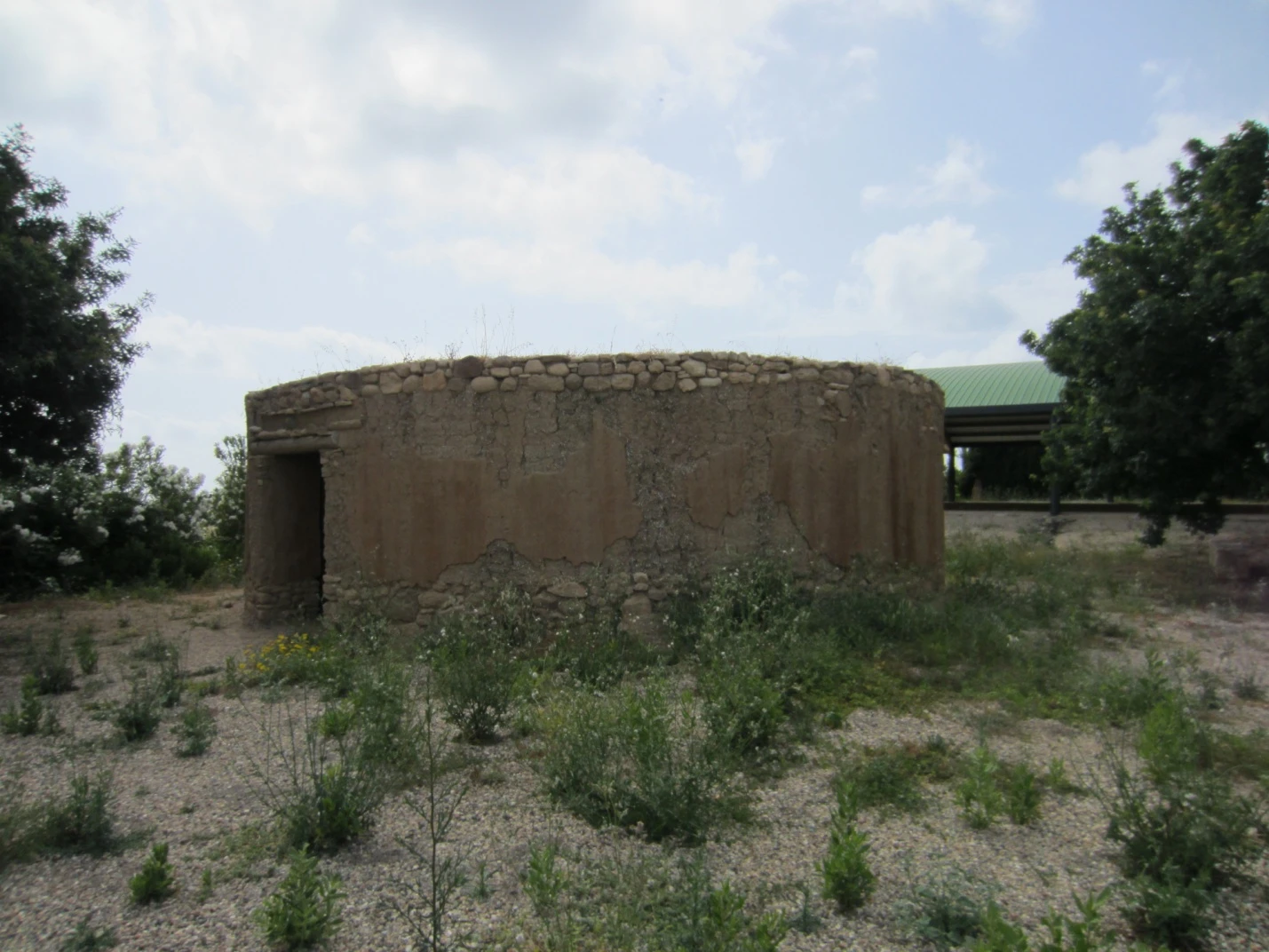
We begin before kings, temple inscriptions and familiar cities: with the first permanent settlements, round houses, stone tools and images whose meanings can only be reconstructed.
Cyprus Through Time
Historical places, family routes, project photographs and carefully sourced stories about Cyprus.
Idea
We use real places in Cyprus to connect archaeology, architecture, religion, trade, empires, family travel and historical memory. Every object has its own indexable page, practical details and links to related periods and routes.
Printable worksheets are currently available in Russian. English PDF worksheets will be added gradually in a future updated version of the project.
Epochs
We use real places in Cyprus to connect archaeology, architecture, religion, trade, empires, family travel and historical memory. Every object has its own indexable page, practical details and links to related periods and routes.
We begin before kings, temple inscriptions and familiar cities: with the first permanent settlements, round houses, stone tools and images whose meanings can only be reconstructed.
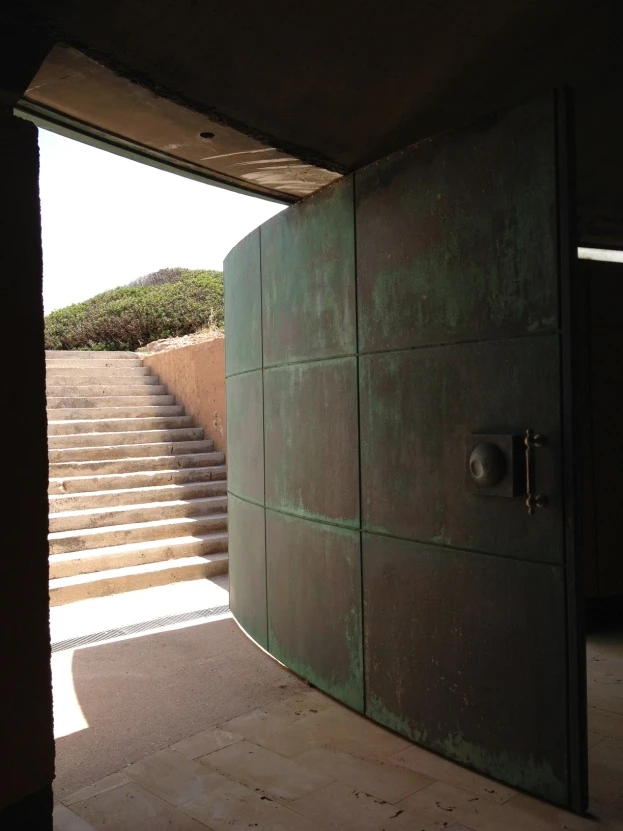
During the Bronze Age, Cyprus became one of the major hubs of the copper trade. We see connections with the Aegean, the Levant, Egypt and Ugarit, while new forms of settlement and writing reached the island together with traded goods.
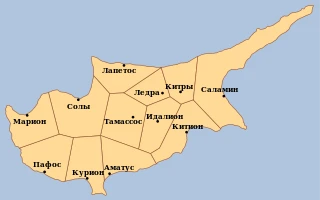
Cyprus was not a single state: the island contained city-kingdoms with their own dynasties, sanctuaries and political alliances. We travel between Palaepaphos, Idalion, Tamassos, Kition, Amathus, Kourion and Marion.
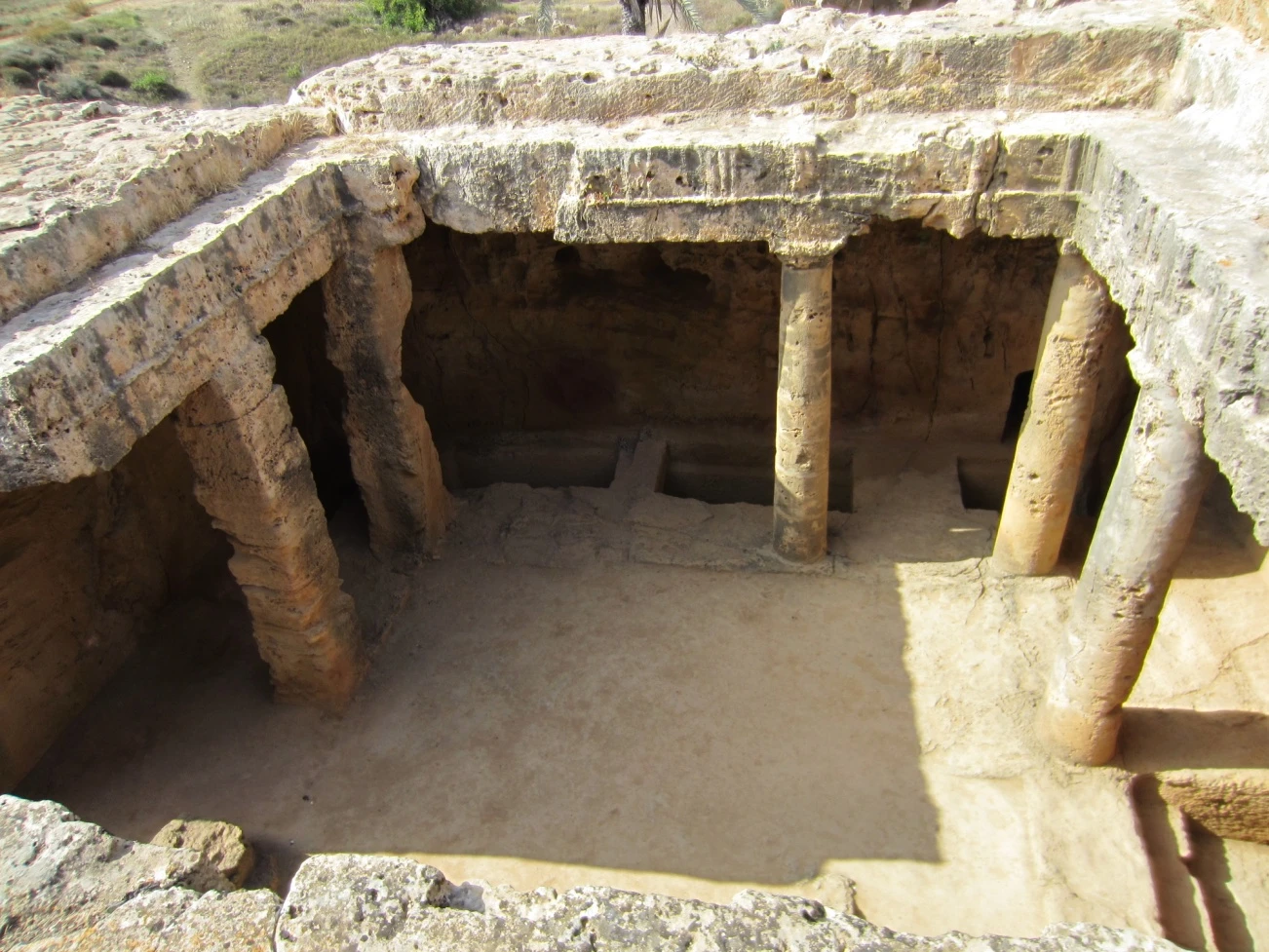
After Alexander the Great, the island entered the Hellenistic world of the Ptolemies and later became a Roman province. We explore this period through Nea Paphos, tombs, theatres, villas and mosaics.
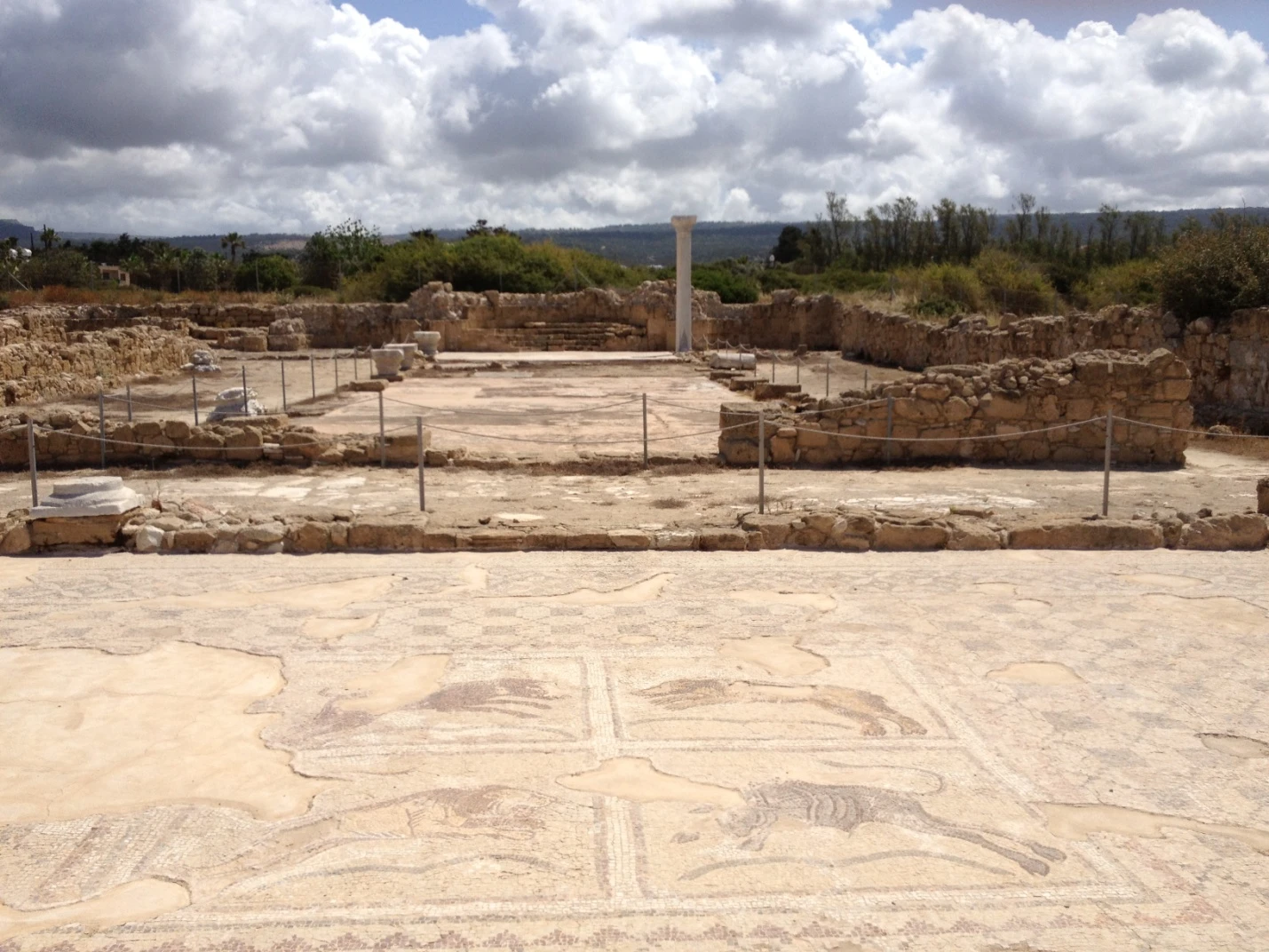
Cyprus connects its Christian history with the apostles Paul and Barnabas. We see the transition from ancient cities to basilicas, mosaic apses, icons, cave cells and mountain monasteries.
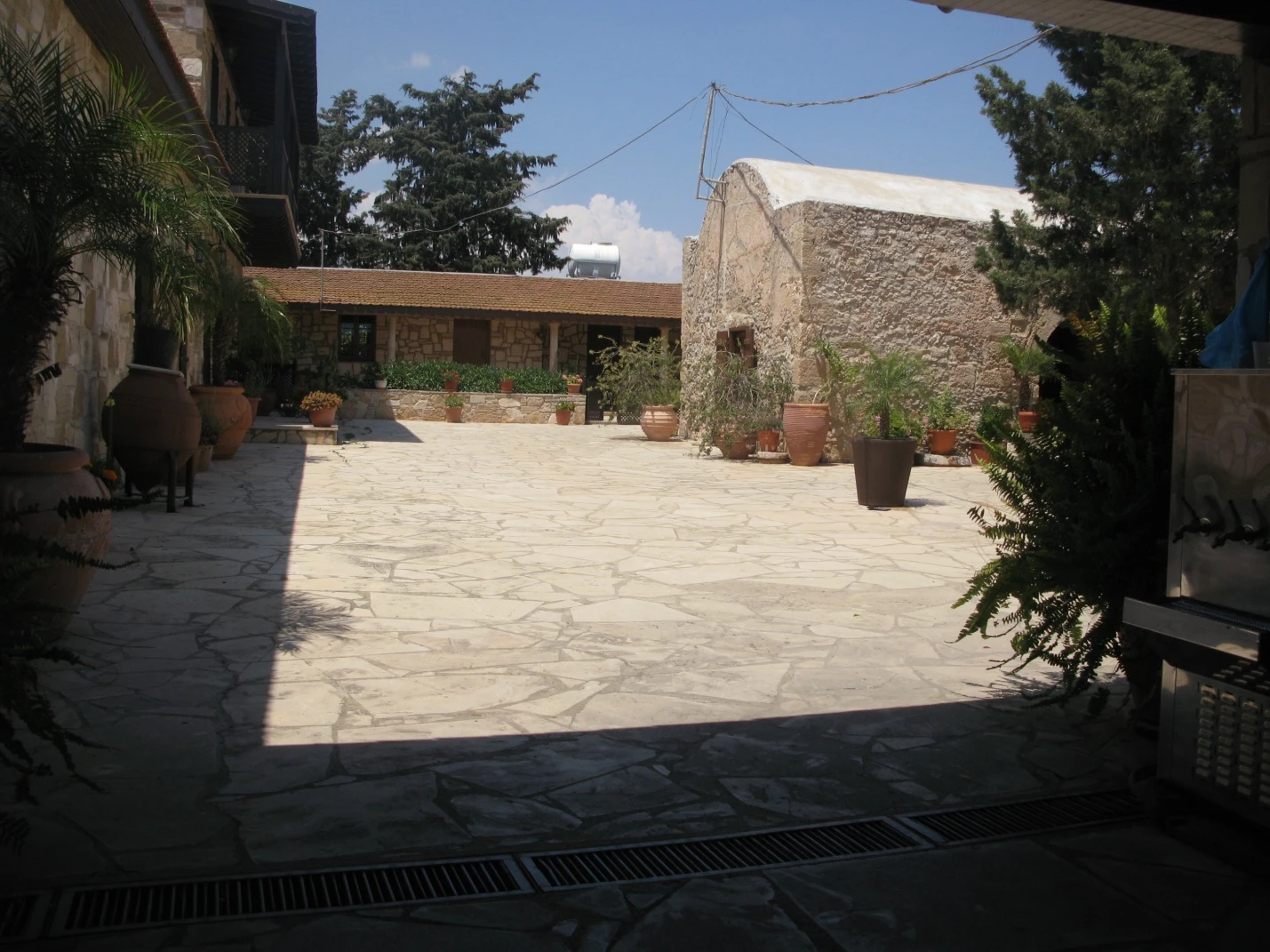
After Richard the Lionheart, Cyprus became part of the world of the Crusaders and Frankish dynasties. Orthodox tradition, Gothic architecture, Latin monastic orders and royal symbols existed side by side.
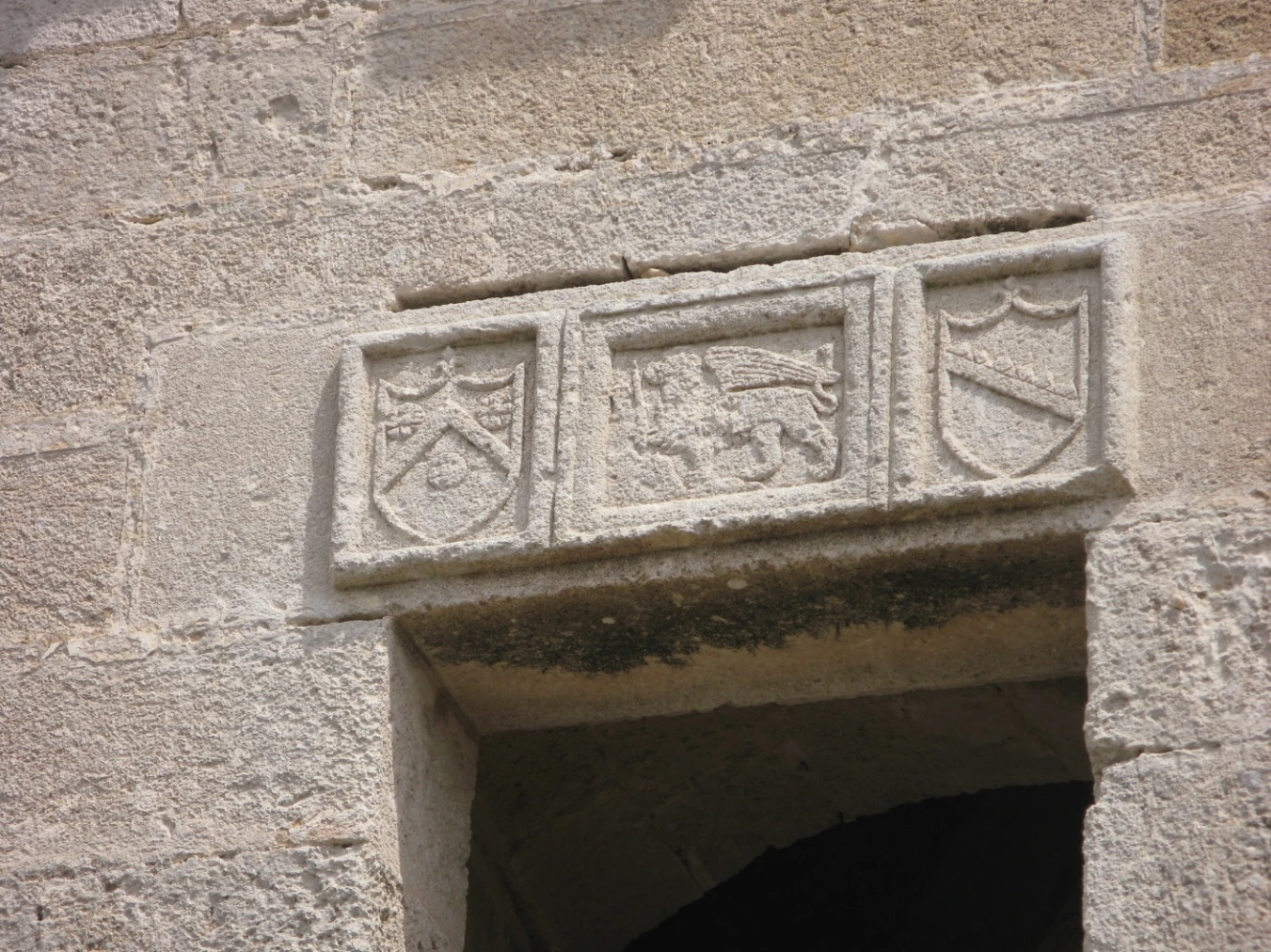
Venice turned the island into an important frontier of its maritime system. We look for the Lion of Saint Mark, bastions, watchtowers and rebuilt city gates.
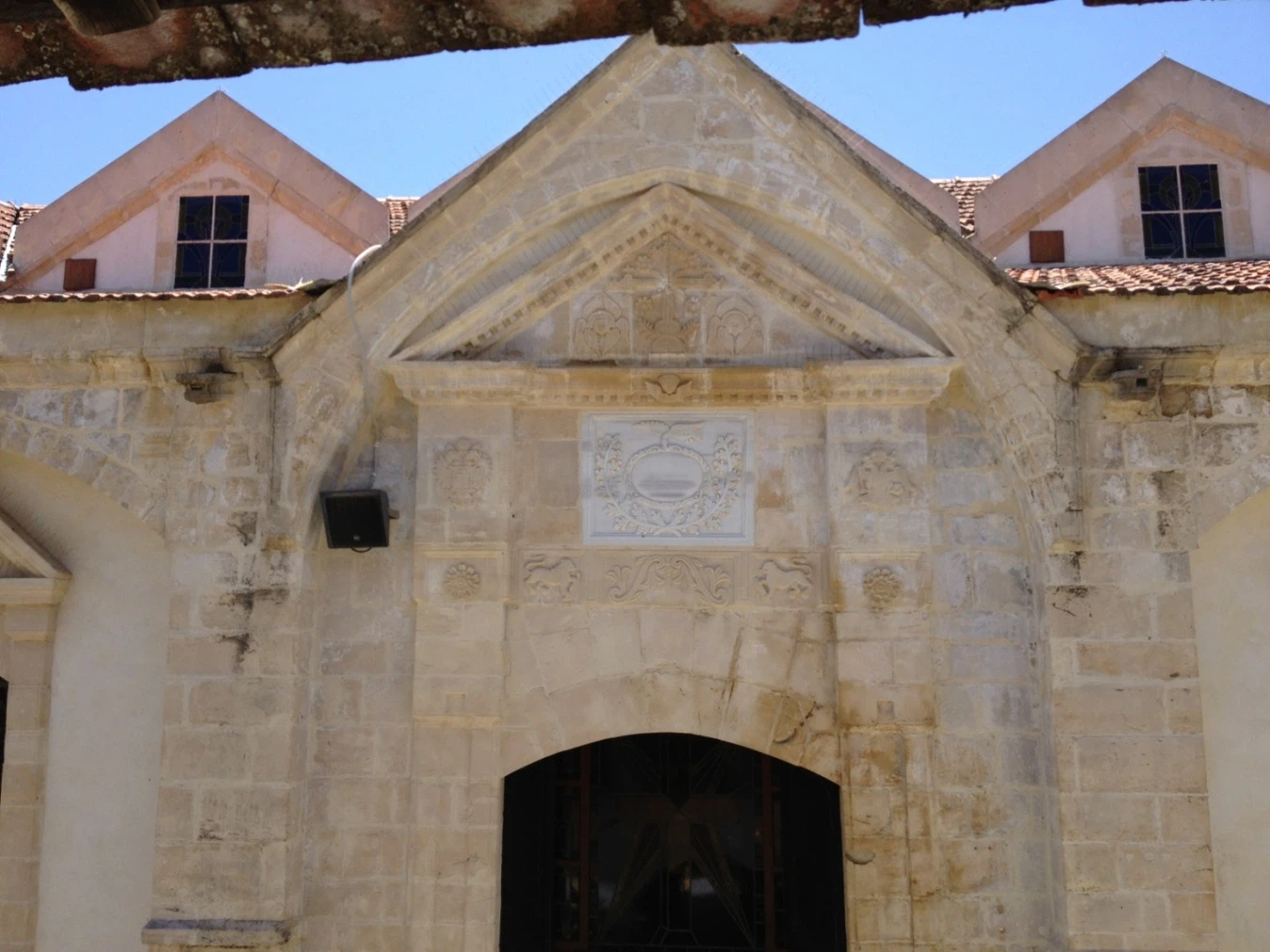
The Ottoman period changed administration, the religious landscape and urban life. We approach it through houses, mosques, hammams, aqueducts, monasteries and everyday objects.
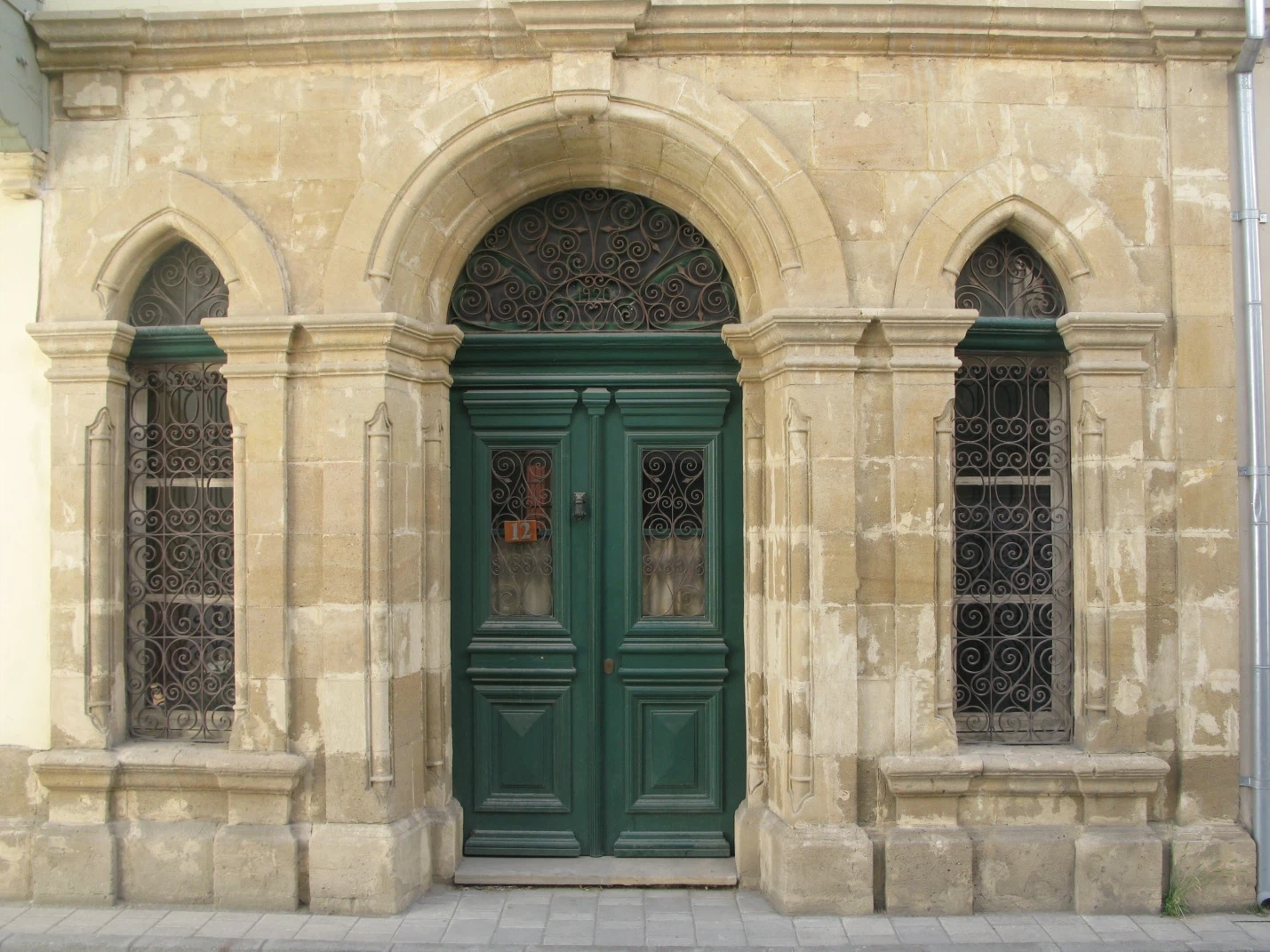
In the twentieth century we place Cyprus within the global history of empires and decolonisation. British rule introduced new administration, infrastructure, a railway and new architecture, while the movement for self-determination also grew.
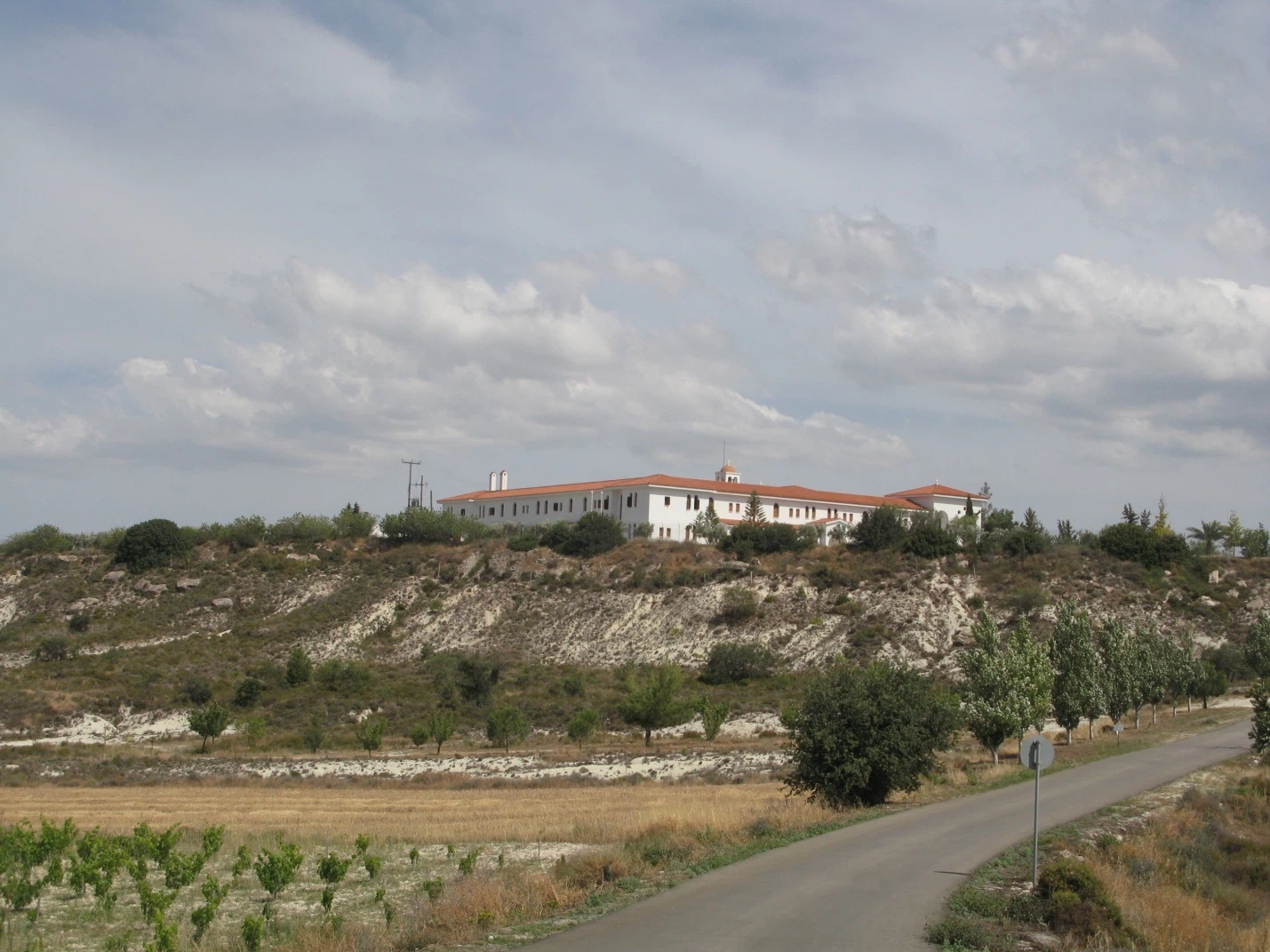
Modern Cyprus cannot be understood without independence in 1960, intercommunal conflict, the events of 1974, the continuing division of the island and the Republic of Cyprus’s accession to the European Union.
Routes
Historical places, family routes, project photographs and carefully sourced stories about Cyprus.
This route shows how a museum object, a writing system and urban architecture can form one continuous timeline.
Question for the route: How do ways of preserving memory change—from a sign on clay to a museum display and an old doorway?
A full day around Paphos connects a fortified settlement, a sanctuary, tombs, mosaics and early Christian sites.
Question for the route: What evidence shows that one city could change its role, religion and appearance many times?
This route along the southern coast compares different reasons for choosing a place: proximity to a river, harbour, sanctuary or road.
Question for the route: Why did people in different periods repeatedly choose the same stretches of coastline?
This mountain route is built around small churches, monastic complexes and the way art was preserved far from large cities.
Question for the route: Why can a mountain church preserve more historical layers than a wealthy urban cathedral?
This route connects the railway, museums, places of anti-colonial struggle, the Green Line and sites of contemporary memory.
Question for the route: How can we distinguish a document, a museum interpretation, a monument and a personal memory?
Places
Historical places, family routes, project photographs and carefully sourced stories about Cyprus.
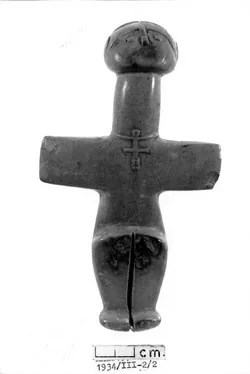
This cruciform picrolite figurine is kept in the Cyprus Museum and appears on Cyprus’s €1 and €2 coins.
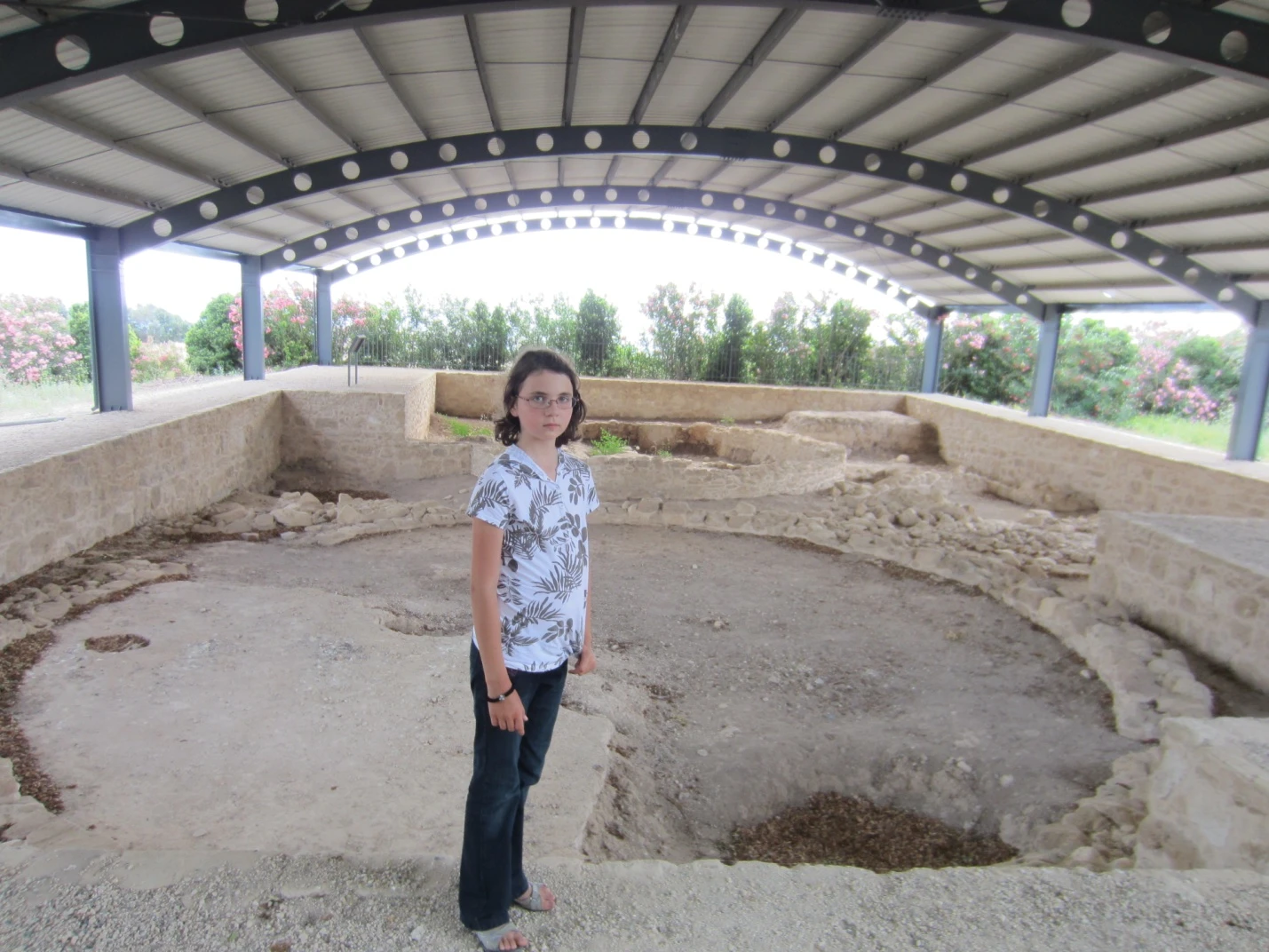
The island’s earliest architecture is represented by round houses; reconstructions of ancient dwellings can be seen beside the excavations.

We recommend beginning or ending the historical journey in the island’s principal archaeological museum, where separate sites form one continuous timeline.

We treat Choirokoitia as a separate stop because it is one of the best places on the island for imagining the daily life of the first farming communities.
The partly underground museum at Cape Maa tells the story of a Mycenaean settlement and displays unusual examples of early writing.
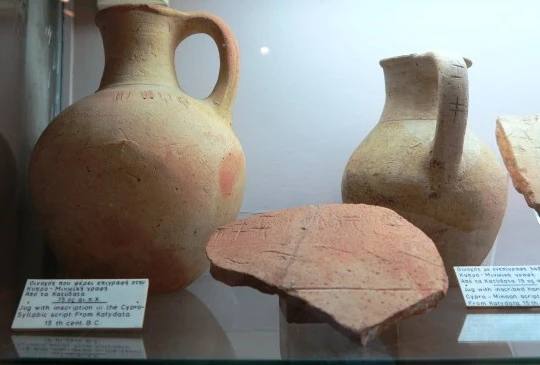
Cypro-Minoan writing is known from signs on clay, metal and other Late Bronze Age objects, but it has not been deciphered with certainty.
About us
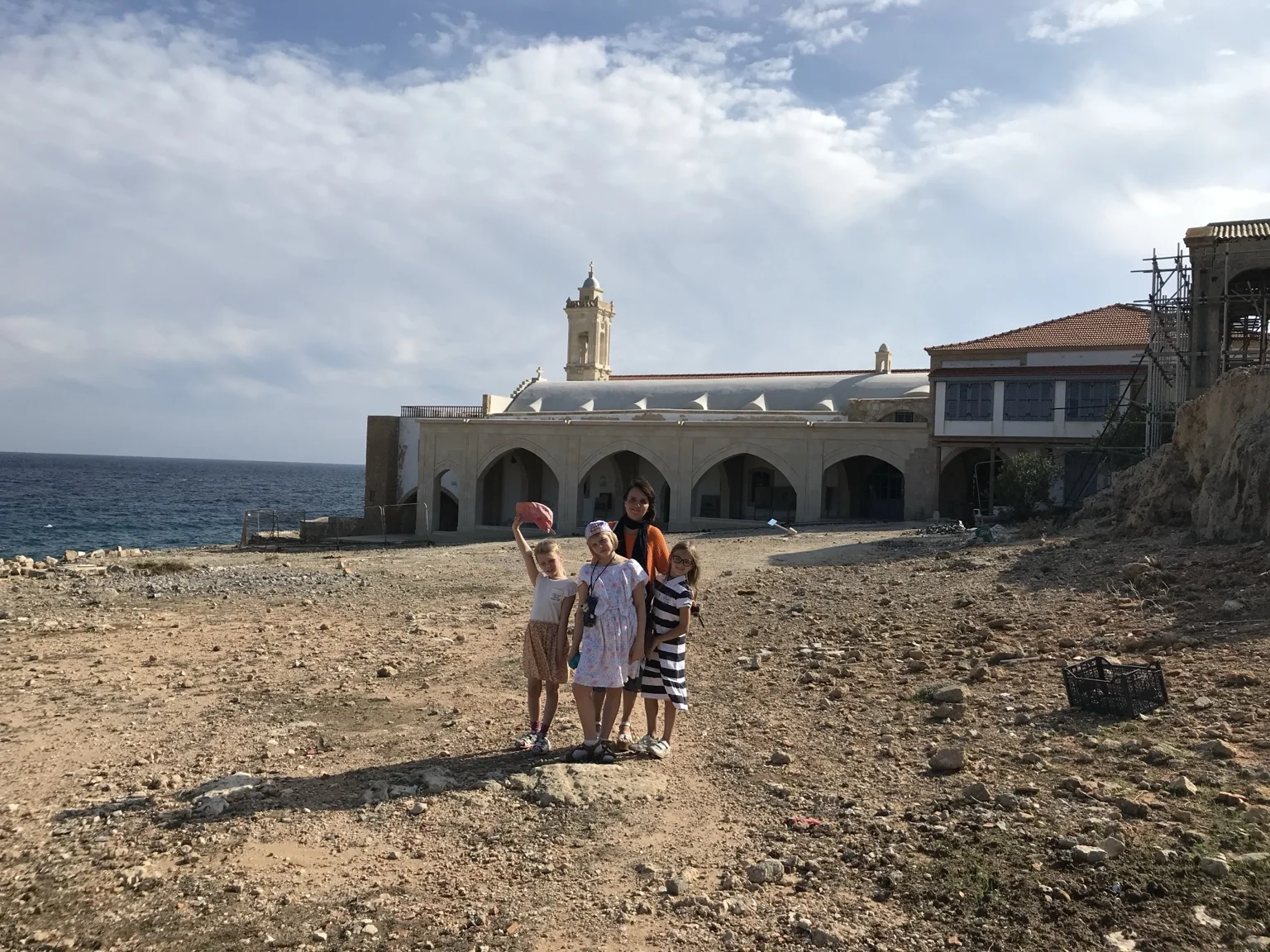
The project has grown through repeated journeys, family archive photographs, source checking and new visits to familiar places. We keep a personal voice while separating observation, documented history, reconstruction and tradition.
Report an error
Please send the page address and a short description of the issue. We check historical and practical information and record corrections transparently.