
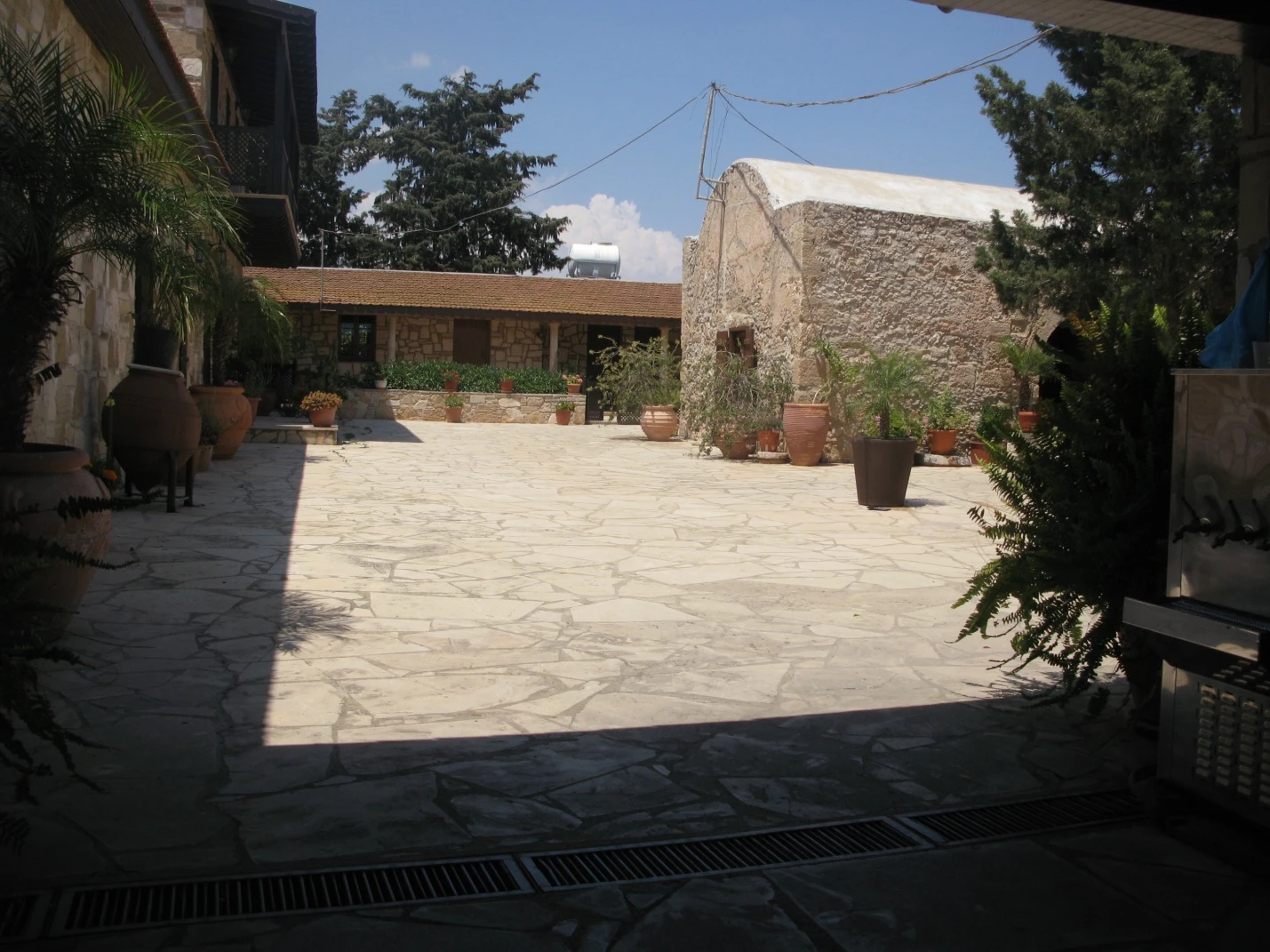
The Monastery of Saints Marina and Raphael
Three churches, frescoes and stories of martyrs connect this Cypriot monastery with Antioch and the island of Lesbos.
Topics
Castles, Gothic cathedrals, abbeys and chapels connect Cyprus with the Crusades, the Lusignans, trade and the politics of the eastern Mediterranean.
Three churches, frescoes and stories of martyrs connect this Cypriot monastery with Antioch and the island of Lesbos.
One of the most atmospheric chapters: a concrete wall, a military installation, partly open gates and two nuns in a monastery beside the dividing line.
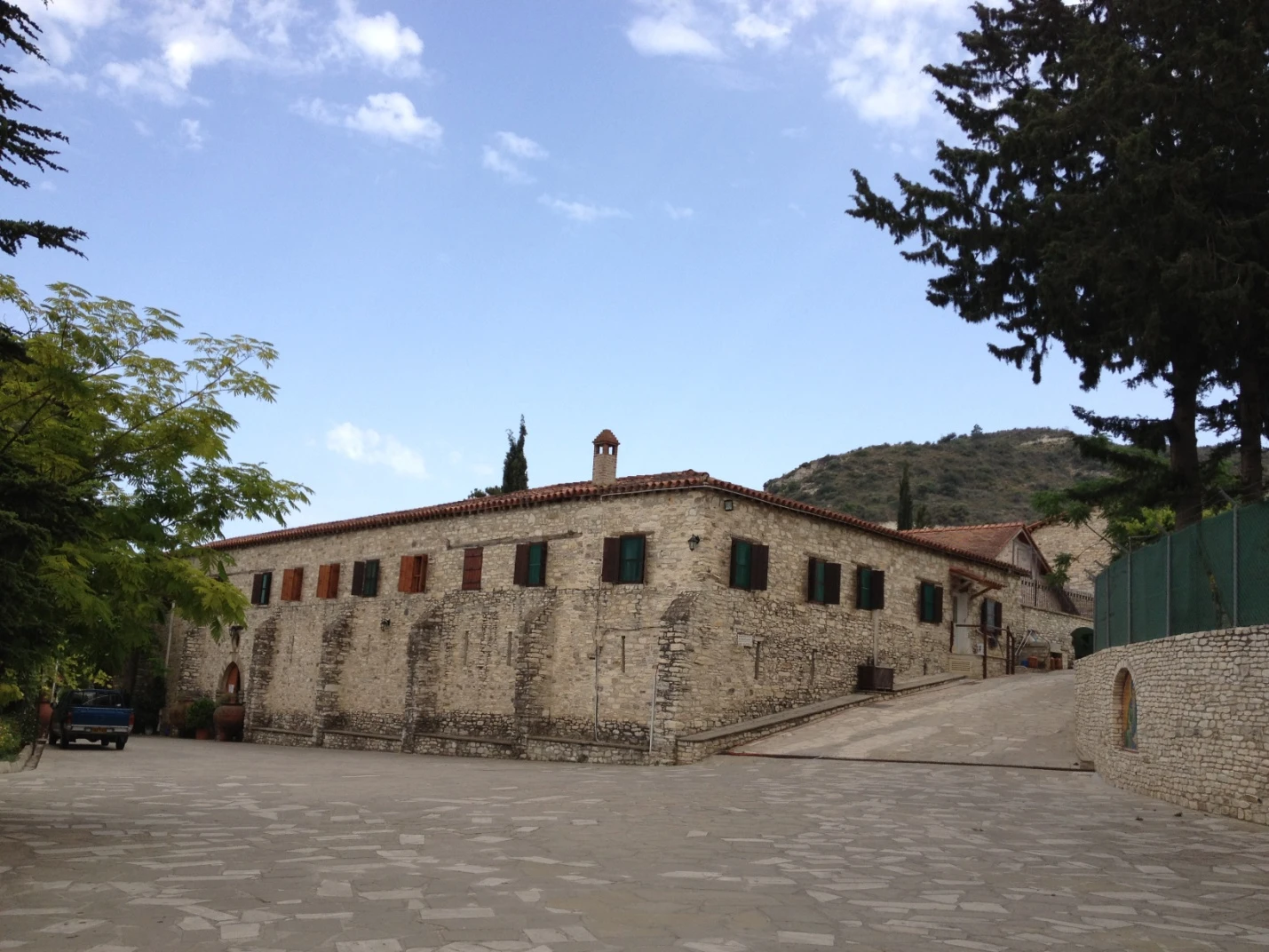
This stone monastery in the hills east of Vavla is known for its spring and eighteenth-century frescoes by the painter Philaretos.
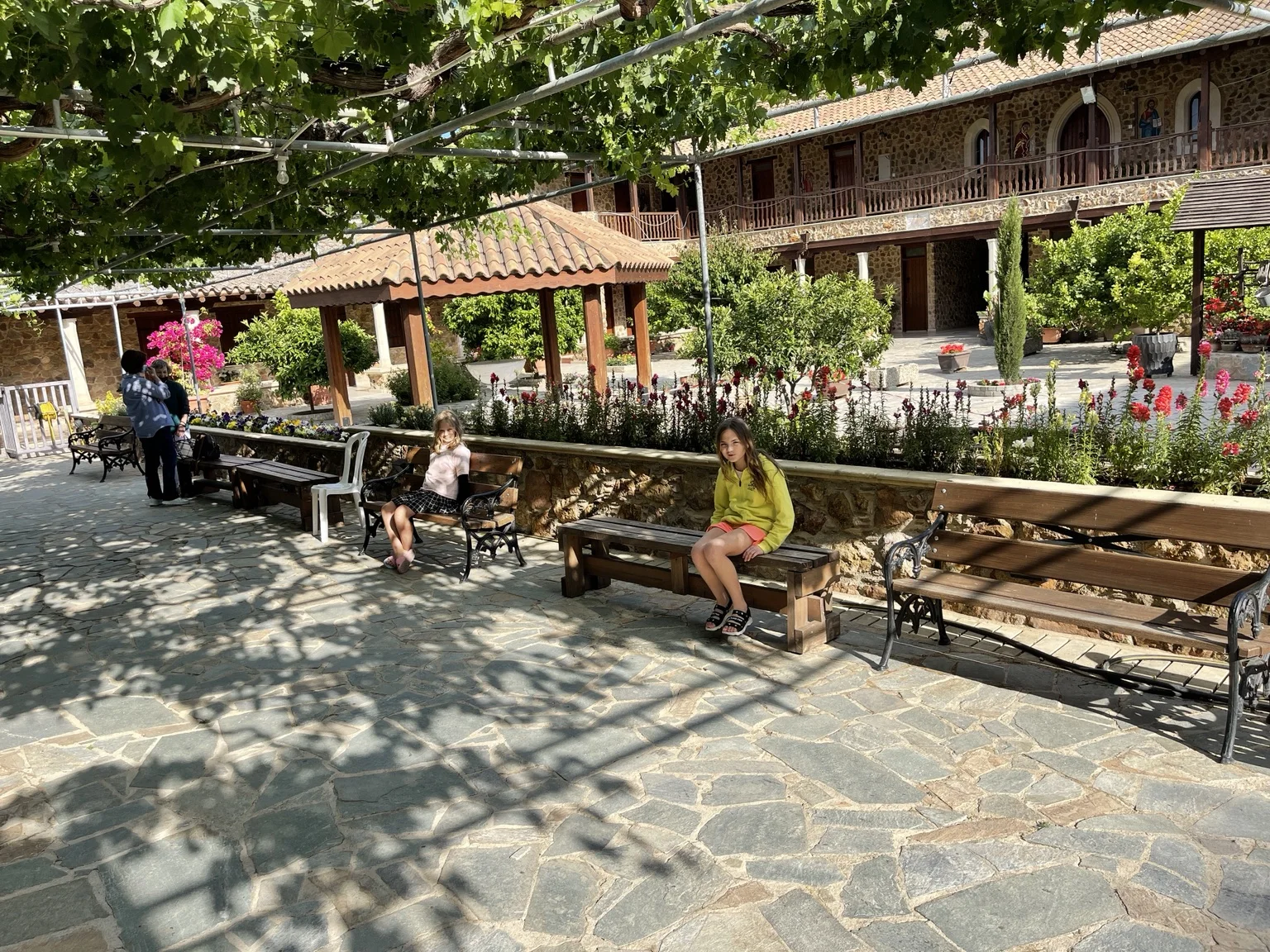
We remember the stone inscriptions, the arcade, the quiet courtyard and the spring directly beneath the church.
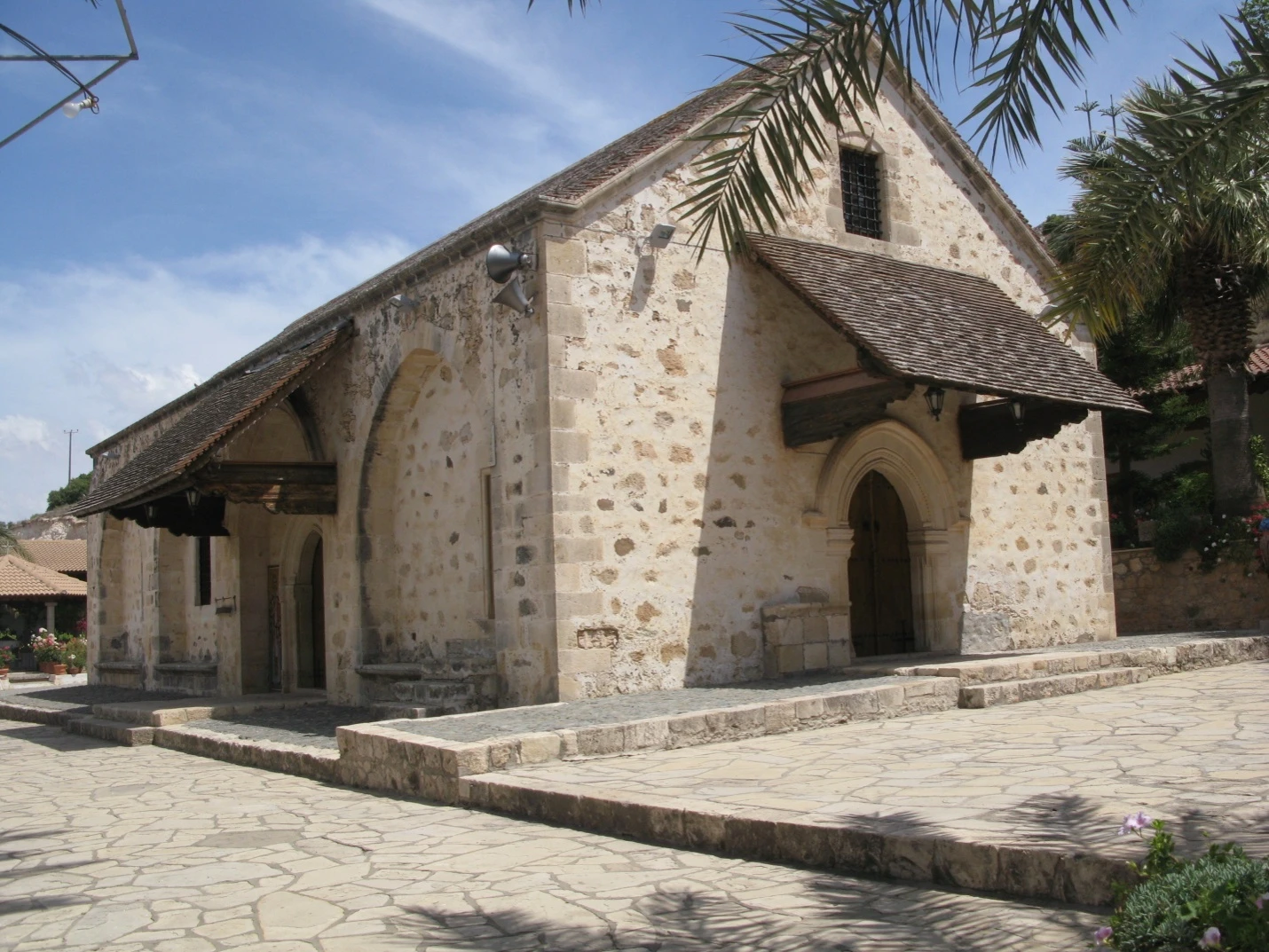
A small stone church and a carved inscription accompany the story of the physician and martyr saint.
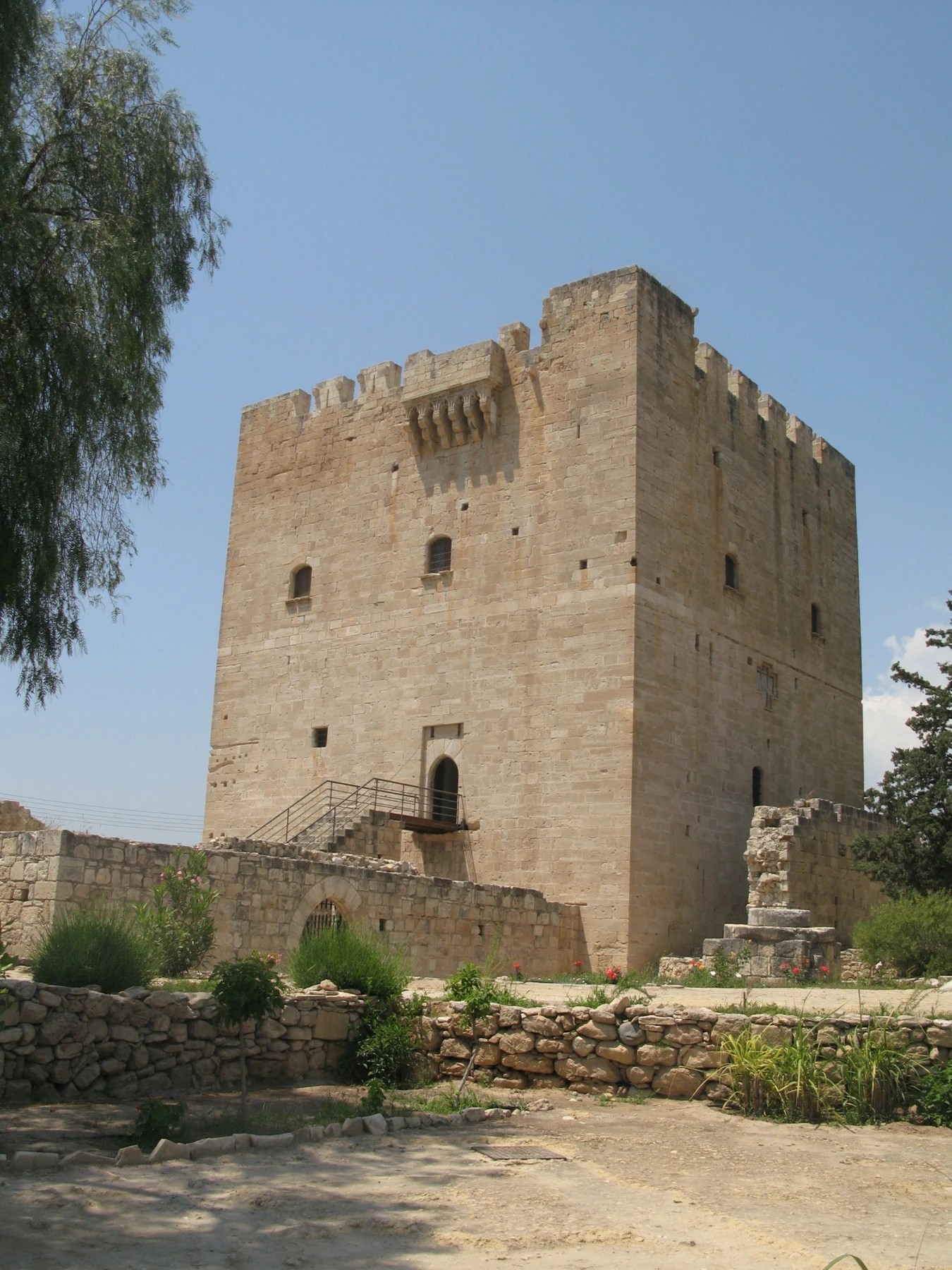
The monumental tower, coats of arms, aqueduct and church tell a story of knights, wine and sugar production.
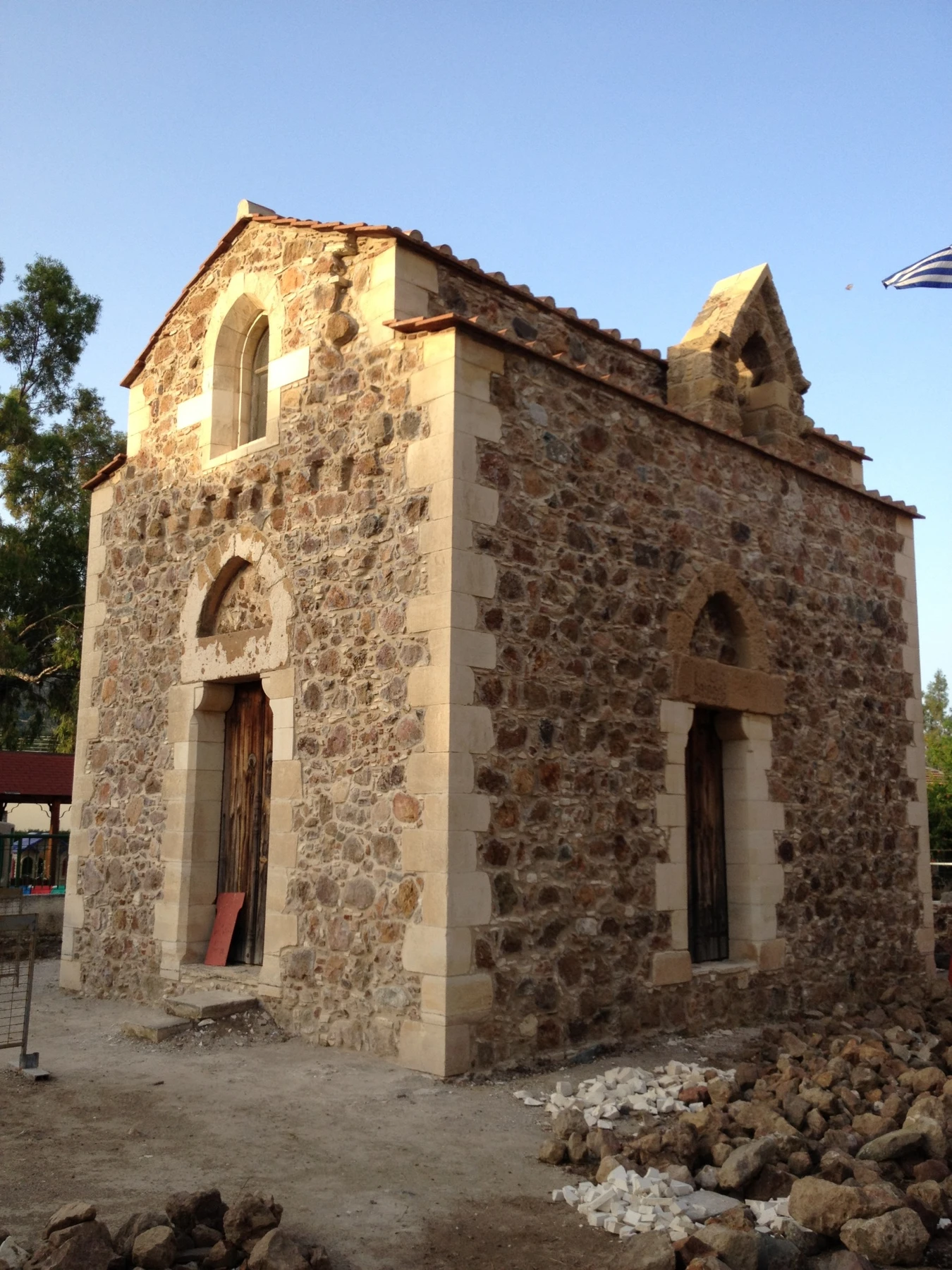
This small building preserves Lusignan-period frescoes, coats of arms and portraits of King Janus and Charlotte of Bourbon.

We include Bellapais in order to show not only fortresses but also the monastic Gothic architecture of Frankish Cyprus.

We include the museum to connect the stories of Richard the Lionheart, the Lusignans, Venice and the Ottoman Empire in one urban location.

We include Famagusta’s principal Gothic monument to connect Cyprus with the architecture of medieval France and the history of the Lusignan kingdom.

We include the building as a rare example of one monument preserving Frankish, Ottoman and modern layers at the same time.