The twelve city-kingdoms of Cyprus
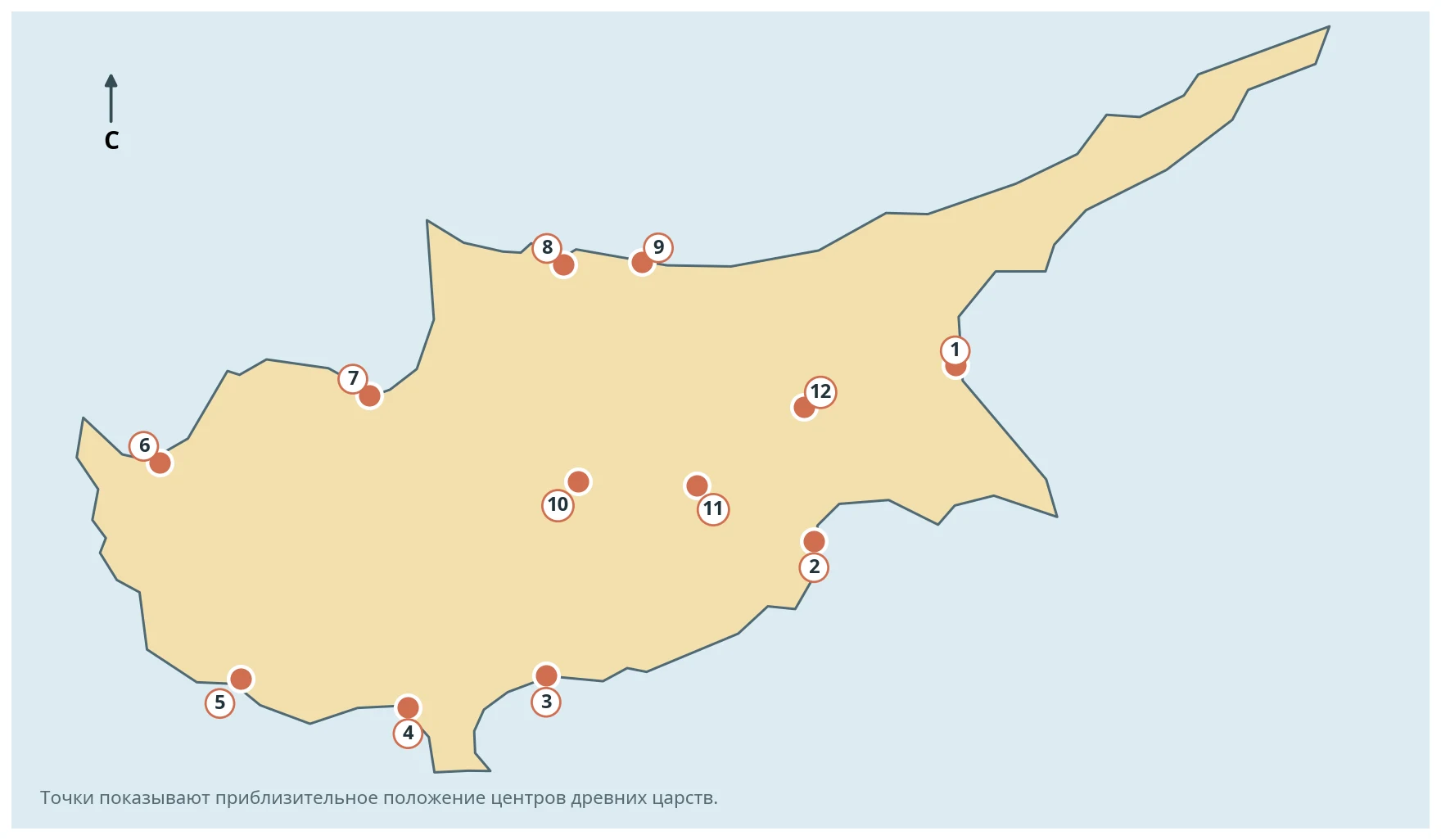
This educational map brings together twelve principal city-kingdoms of Archaic and Classical Cyprus and helps compare coastal and inland centres.
Topics
Palaepaphos, Kition, Amathus, Kourion, Idalion, Tamassos and other centres help explain the political fragmentation and cultural diversity of the ancient island.
This educational map brings together twelve principal city-kingdoms of Archaic and Classical Cyprus and helps compare coastal and inland centres.
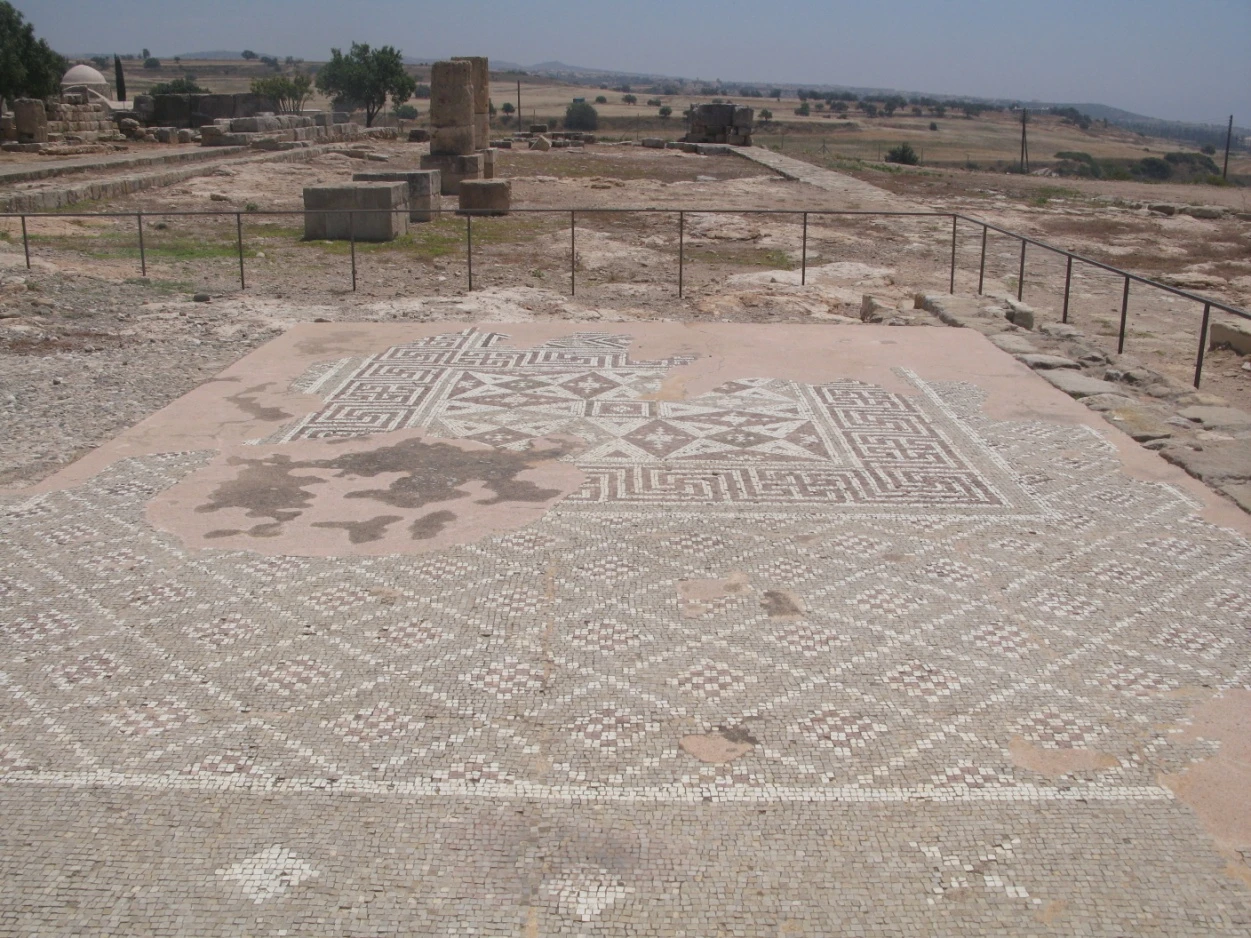
The sanctuary remains, the dark cult stone and the mosaic floors connect the site with ancient cults of the mother goddess, Astarte and Aphrodite.
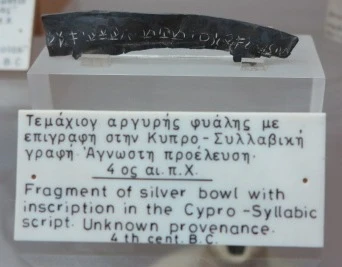
Inscriptions on stone, metal and pottery show how different writing systems coexisted on the island.
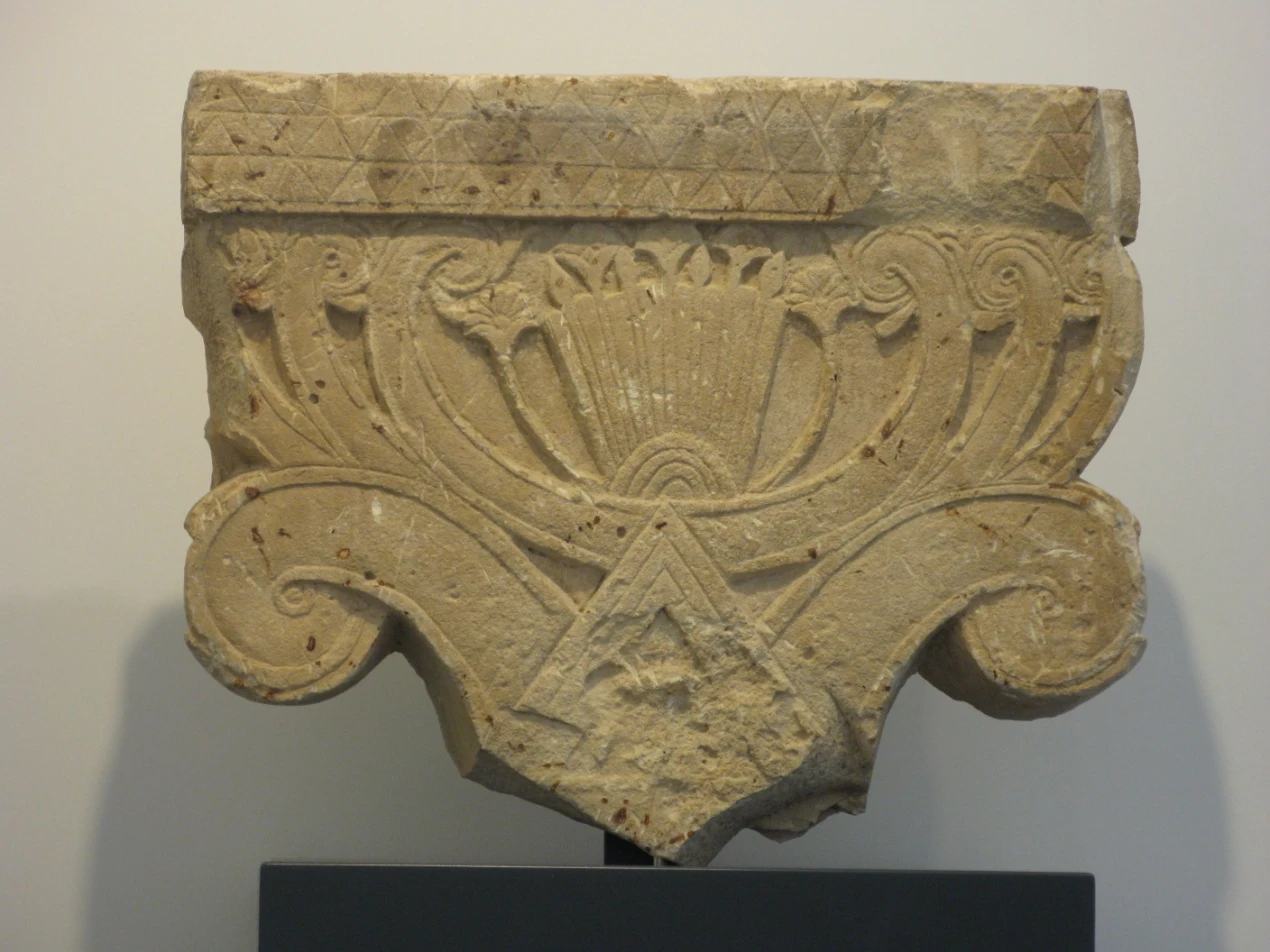
The ancient city beside modern Dali is associated with Aphrodite, Phoenician influence and important bilingual finds.
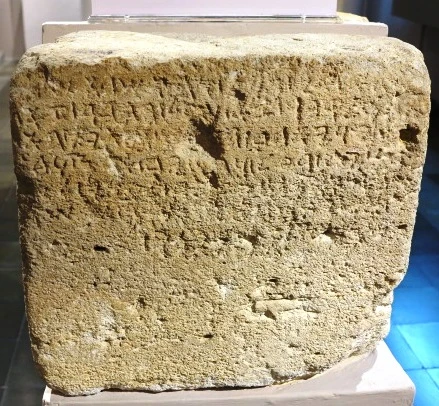
A museum stone offers a way to explore the twenty-two signs of the Phoenician alphabet and its influence on other scripts.
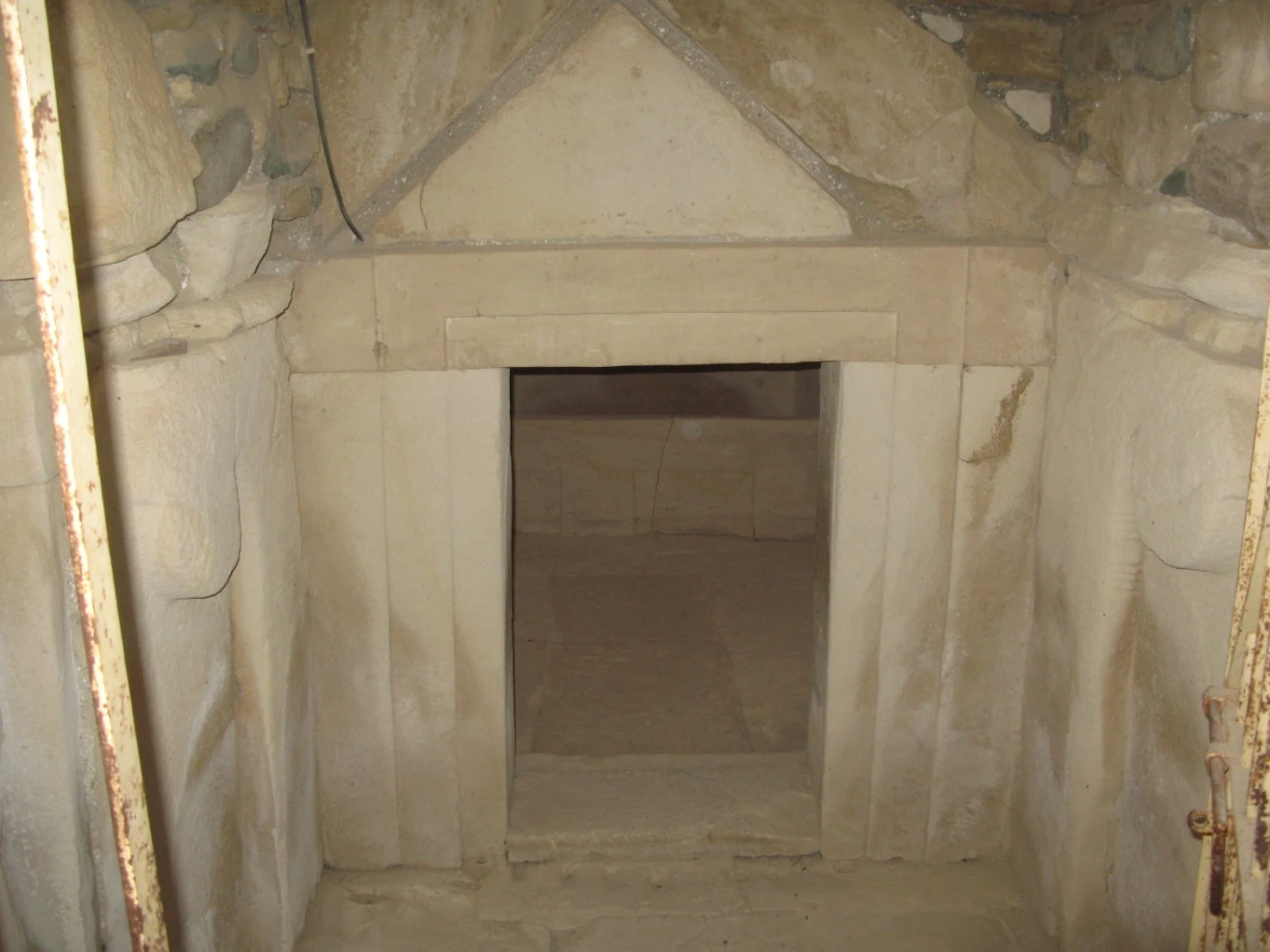
Much of the ancient city remains beneath the modern village and monastery, while the excavated tombs reveal monumental architecture.
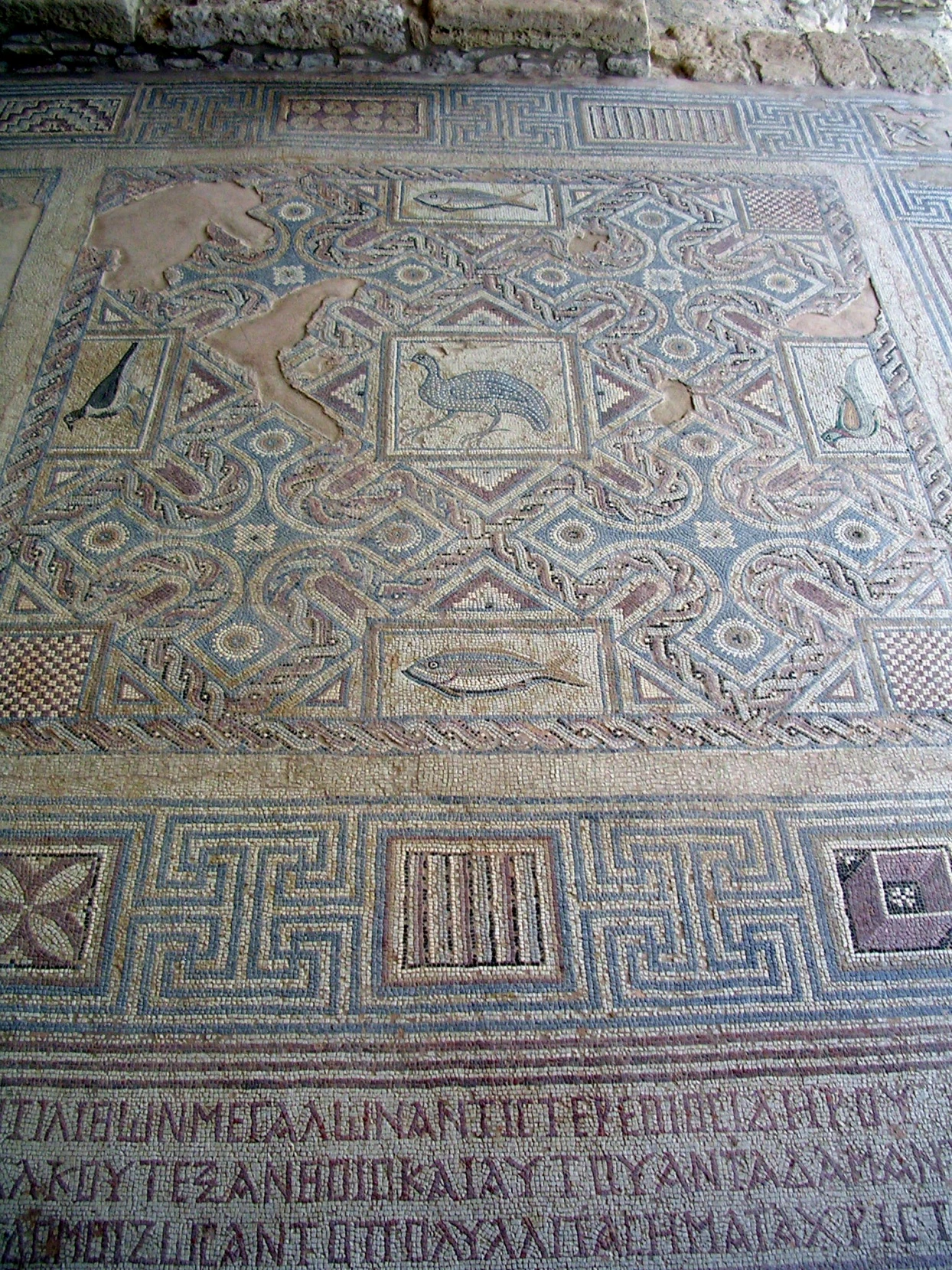
The city on the cliff above the sea preserves a theatre, villas and elaborate mosaic floors with ancient Greek inscriptions.
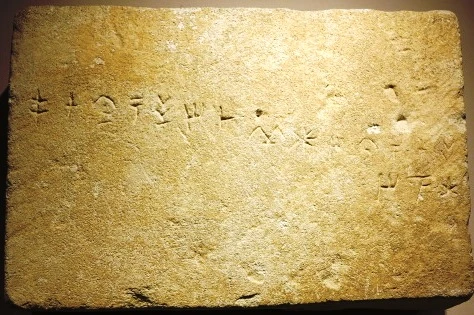
Three short chapters bring together the legends of Amathus, the Phoenician past of Kition and the copper mines of Marion.

We treat Amathus as a separate stop because the city brings together the myth of Ariadne, the cult of Aphrodite, Phoenician influence and monuments of the late Roman period.
We include the museum so that the brief story of Marion becomes a complete stop in the north-west of the island.

We include Salamis as one of the island’s major ancient cities and a place where the history of the city-kingdoms continues into the Roman and early Christian periods.

We include Soloi so that the map of the city-kingdoms does not end with only the sites that are easier to reach from the south.