

Kalavasos–Tenta
We include Tenta as a second key to the Neolithic period: its distinctive modern shelter makes the archaeological site immediately recognisable.
Regions
Larnaca brings together Bronze Age settlements, Kition, early Christian monuments, Ottoman architecture and the salt lake. It is an ideal region for observing how a port landscape changed over thousands of years.
We include Tenta as a second key to the Neolithic period: its distinctive modern shelter makes the archaeological site immediately recognisable.

We treat Choirokoitia as a separate stop because it is one of the best places on the island for imagining the daily life of the first farming communities.

We include the museum as the link between Choirokoitia, Tenta, Kition and the Bronze Age settlement beside the salt lake.

We include the archaeological areas of Kition so that the city can be seen not only in a museum case but also within the modern urban fabric of Larnaca.

We distinguish the Bronze Age settlement from the much later Muslim shrine: entirely different periods share the same geographical setting.
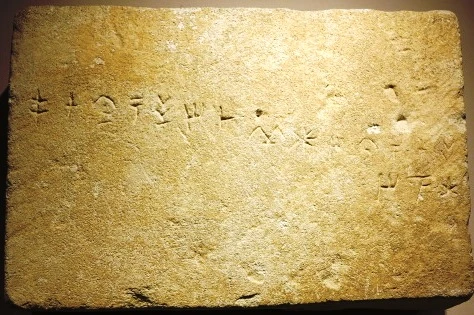
Three short chapters bring together the legends of Amathus, the Phoenician past of Kition and the copper mines of Marion.
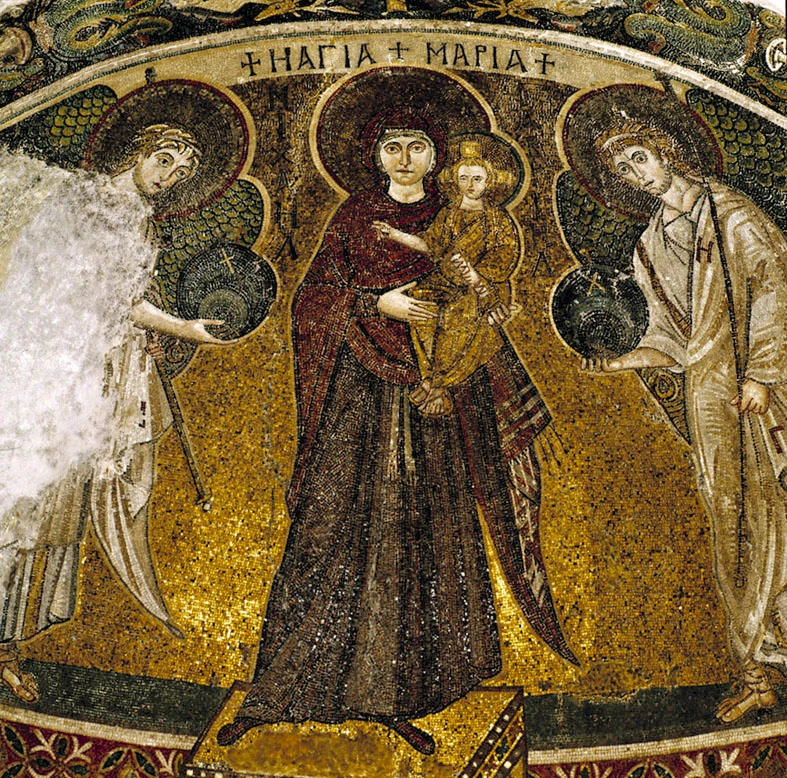
At Kiti we saw one of the island’s rarest early Christian mosaic ensembles: the Virgin and Child between the archangels.

We include Saint Lazarus as one of Cyprus’s principal urban Christian monuments and an important link between biblical tradition, Byzantium and modern Larnaca.
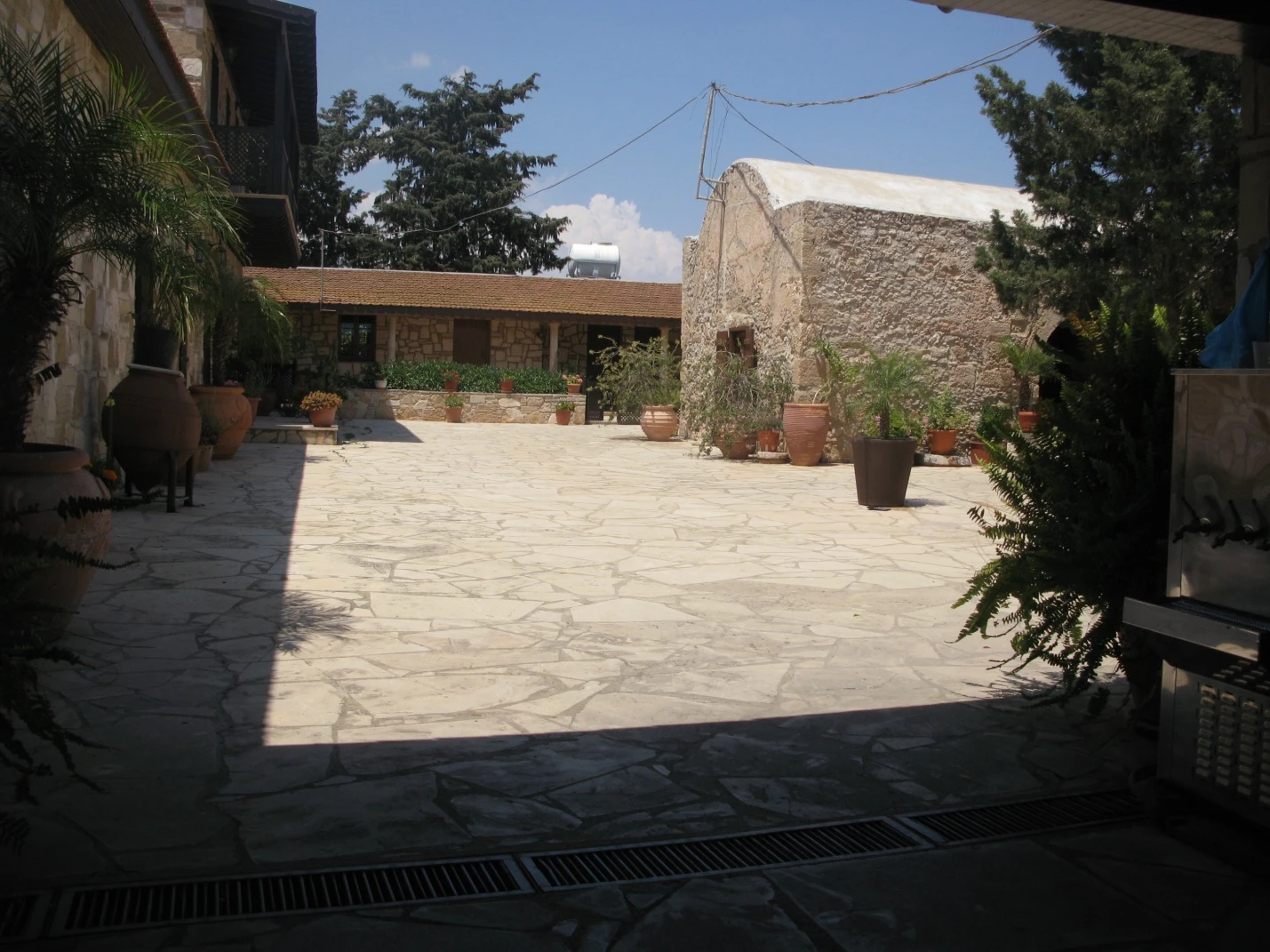
Three churches, frescoes and stories of martyrs connect this Cypriot monastery with Antioch and the island of Lesbos.
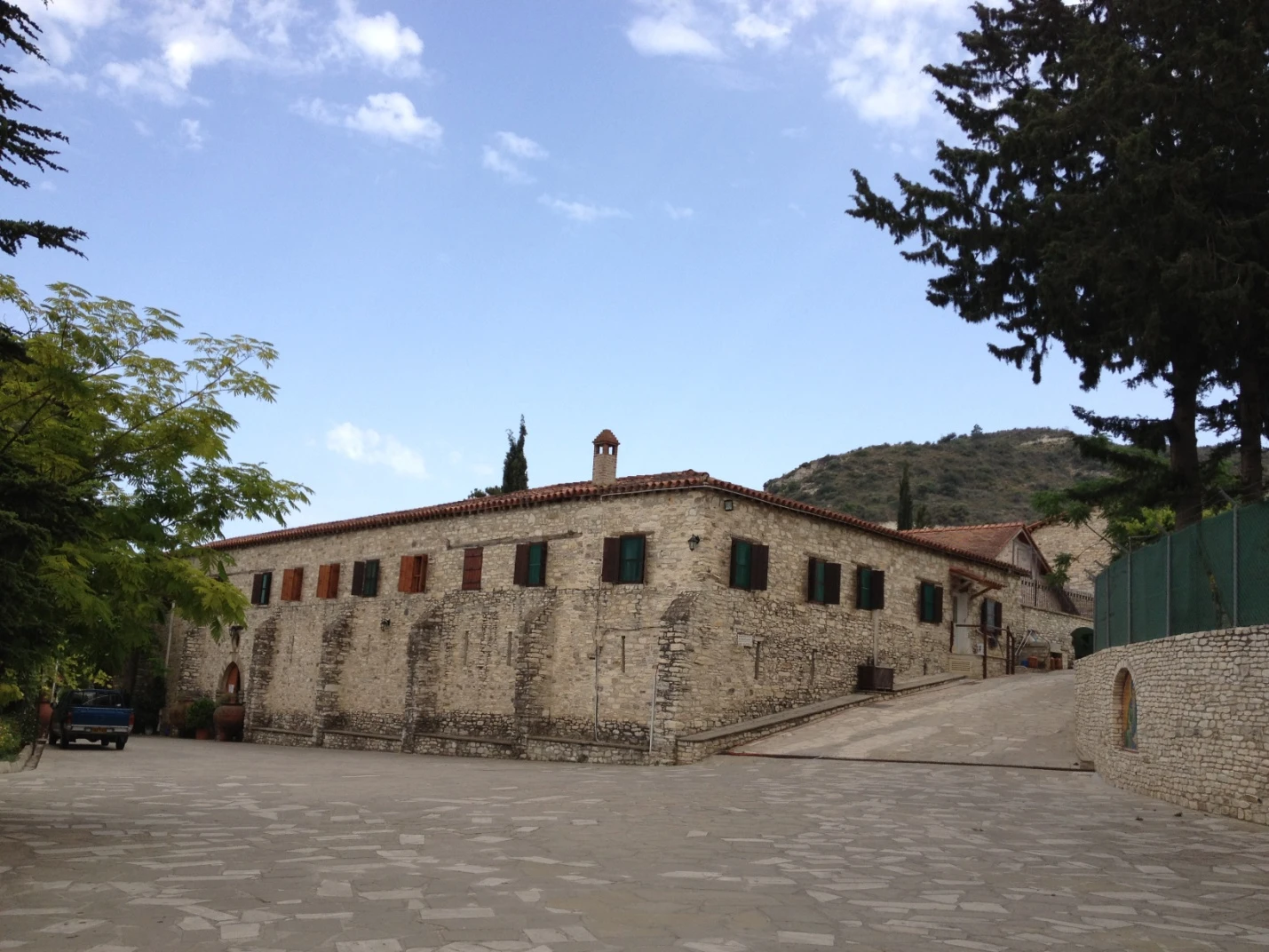
This stone monastery in the hills east of Vavla is known for its spring and eighteenth-century frescoes by the painter Philaretos.
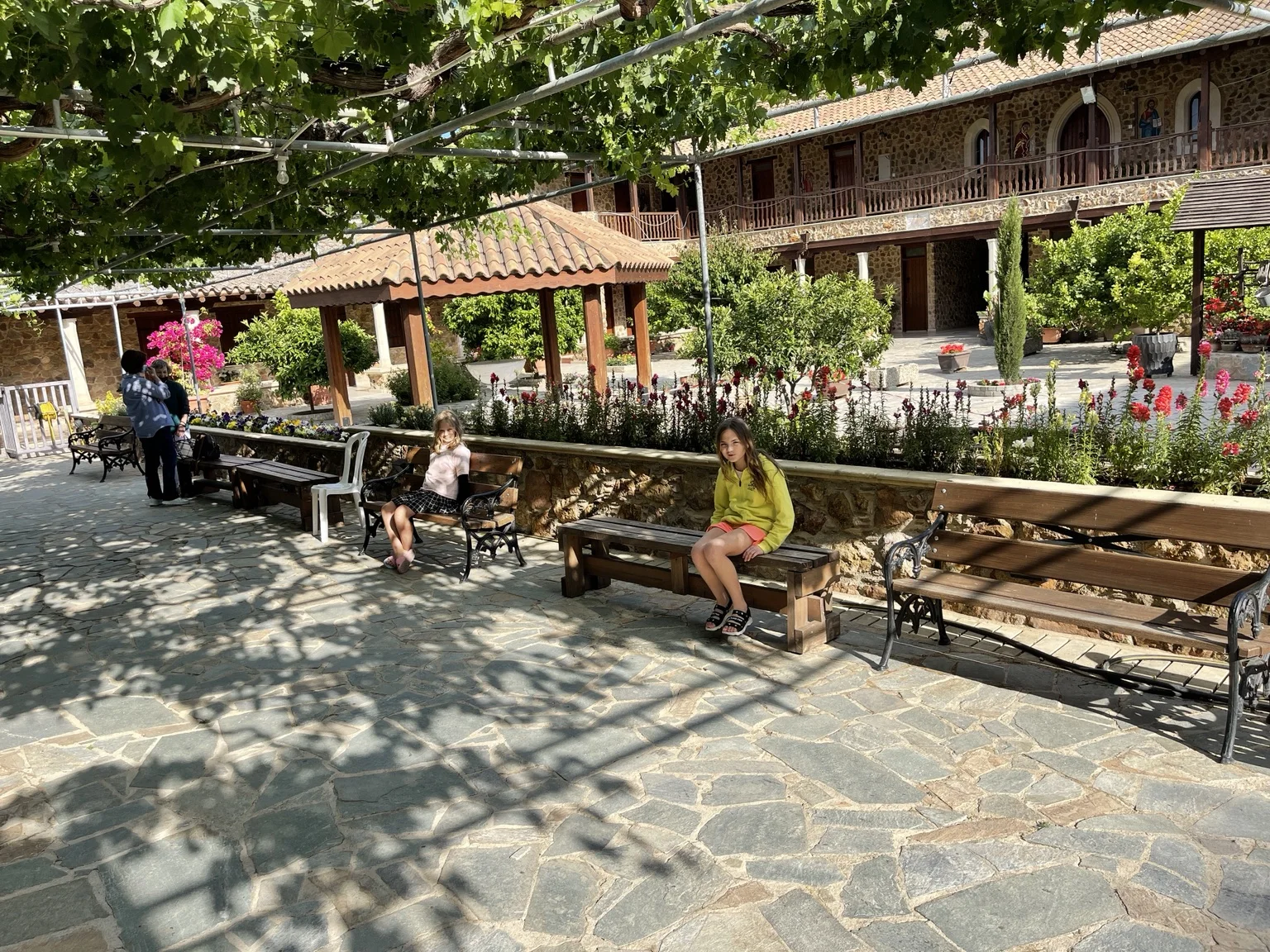
We remember the stone inscriptions, the arcade, the quiet courtyard and the spring directly beneath the church.
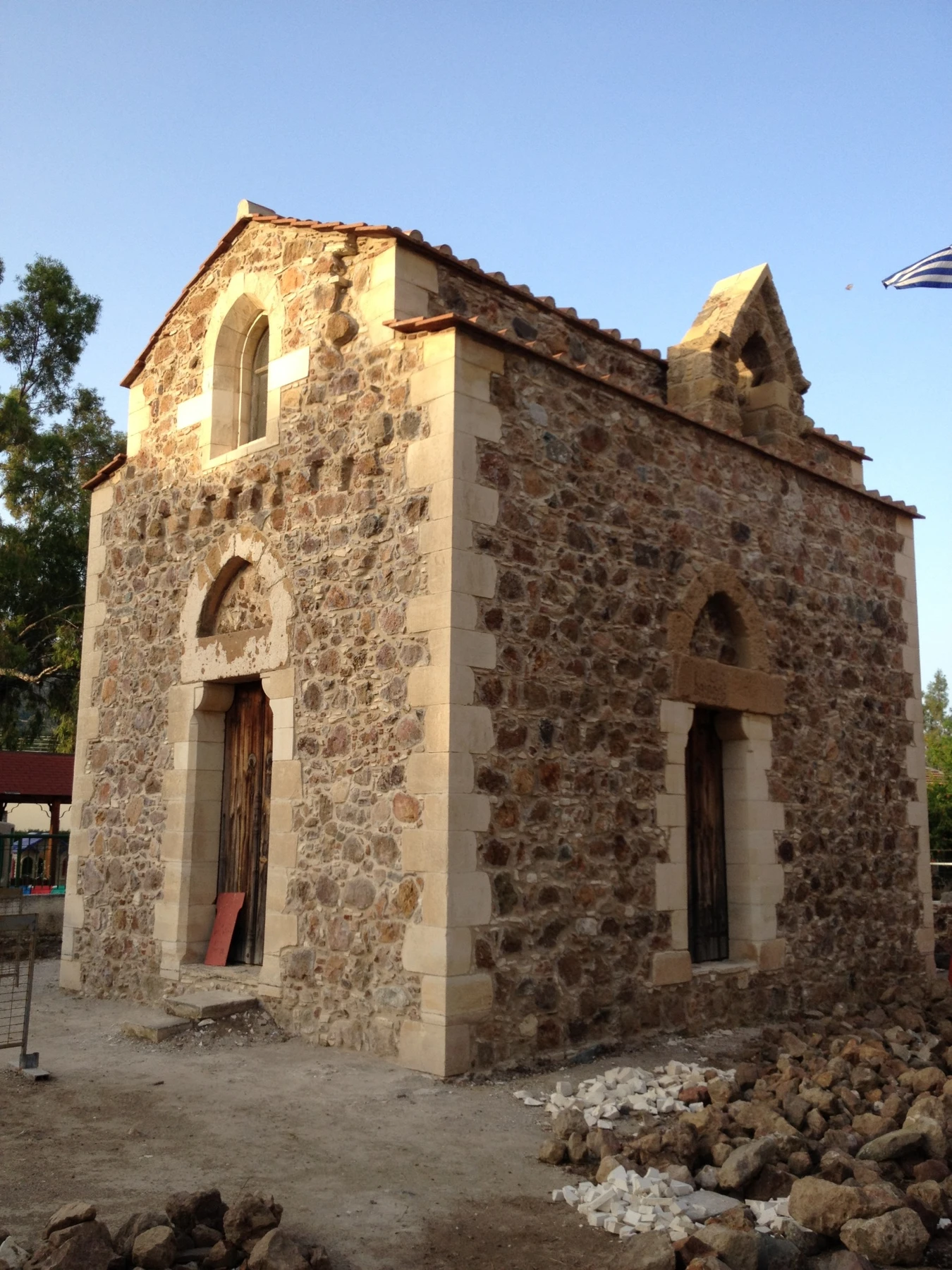
This small building preserves Lusignan-period frescoes, coats of arms and portraits of King Janus and Charlotte of Bourbon.
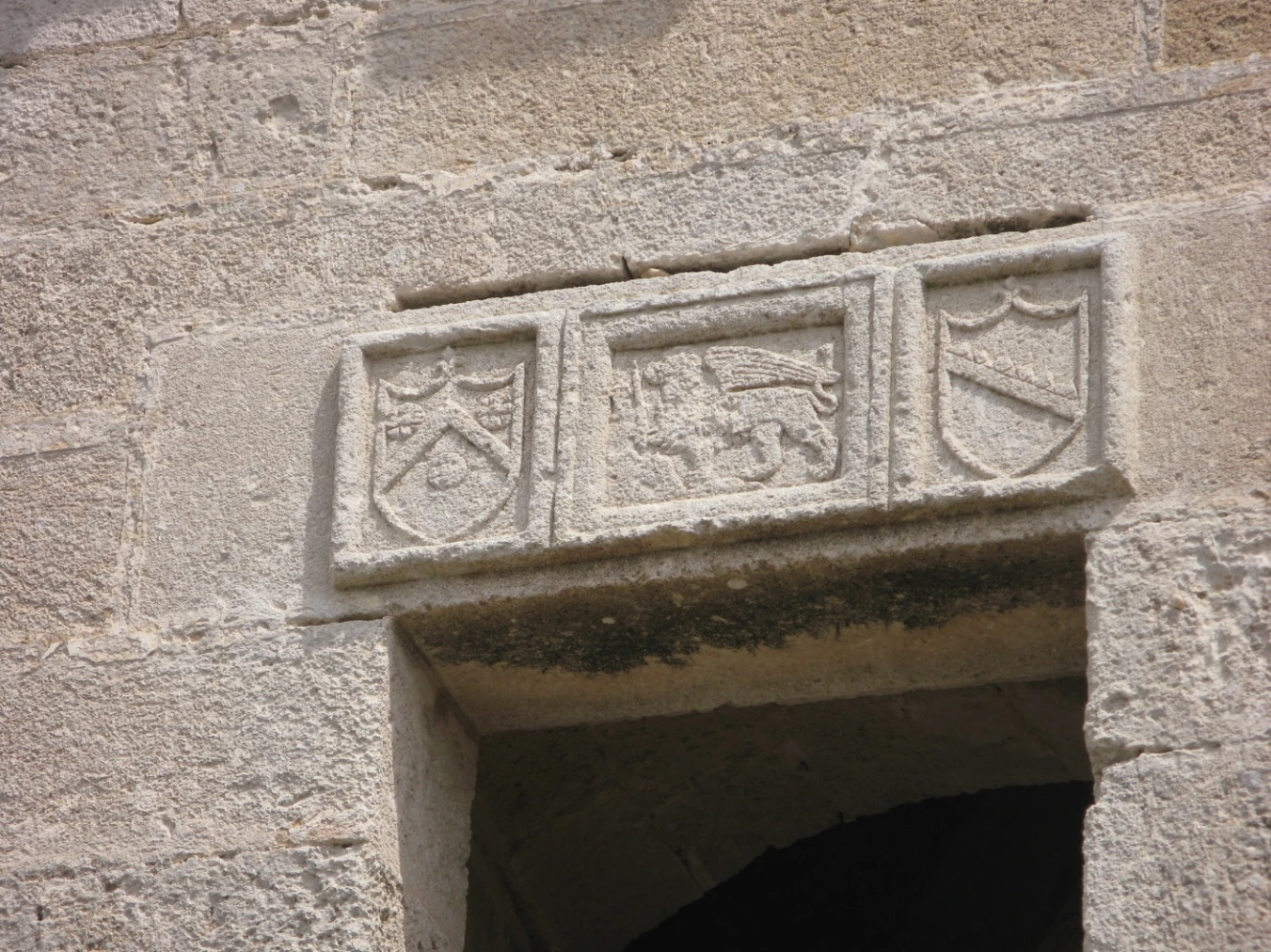
We photographed one of Cyprus’s most expressive Venetian watchtowers and the three coats of arms above its entrance.
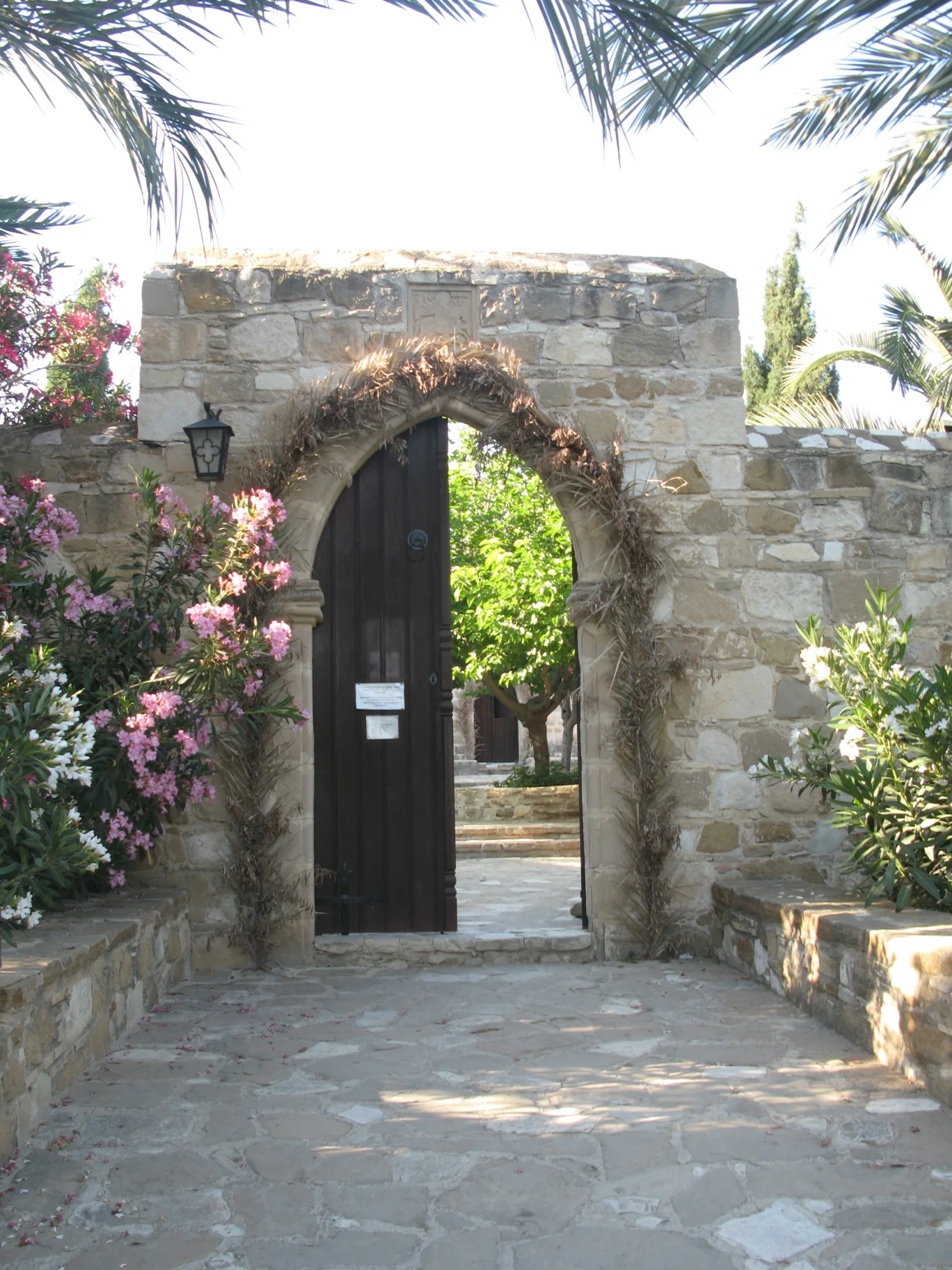
The “black mountain”, a red hill, repeated fires and a restored icon are the main details of this chapter.

We include Kamares as an example of how imperial history can be seen not only in palaces and temples but also in a city’s water supply.
We include Hala Sultan Tekke so that the religious history of Cyprus is not reduced to Orthodox monuments alone.