
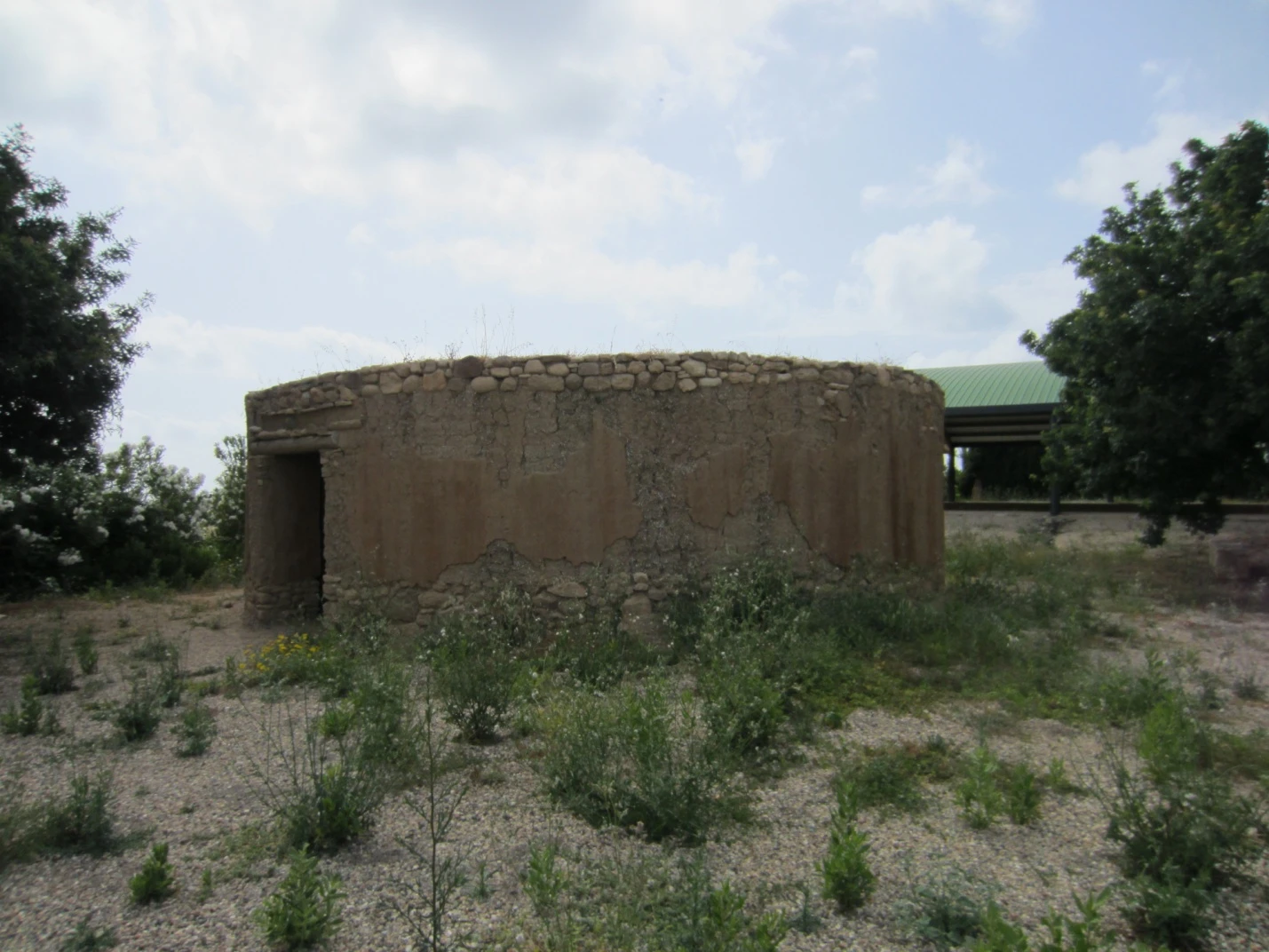
The round houses of Choirokoitia and Kissonerga
The island’s earliest architecture is represented by round houses; reconstructions of ancient dwellings can be seen beside the excavations.
Regions
Archaeological cities, sanctuaries, castles, monasteries and wine villages show how the southern coast connected the interior of Cyprus with the Mediterranean.
The island’s earliest architecture is represented by round houses; reconstructions of ancient dwellings can be seen beside the excavations.
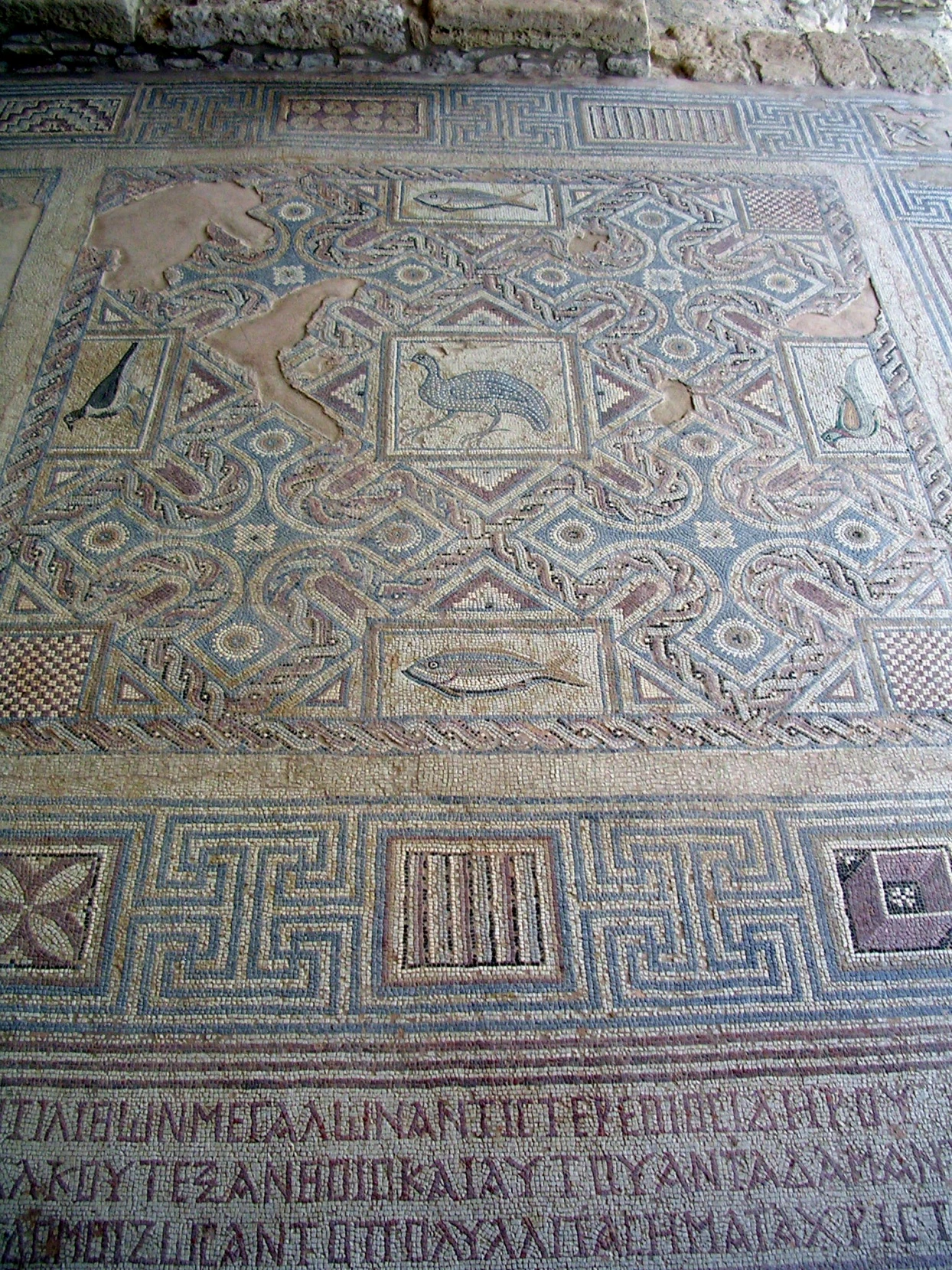
The city on the cliff above the sea preserves a theatre, villas and elaborate mosaic floors with ancient Greek inscriptions.
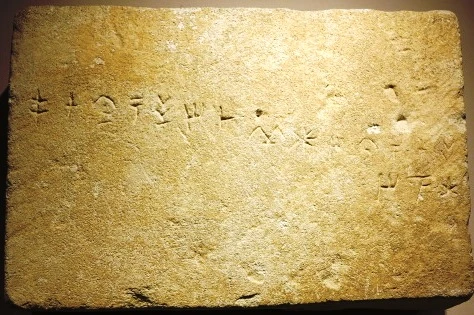
Three short chapters bring together the legends of Amathus, the Phoenician past of Kition and the copper mines of Marion.

We treat Amathus as a separate stop because the city brings together the myth of Ariadne, the cult of Aphrodite, Phoenician influence and monuments of the late Roman period.

We include this small museum because after walking among large ruins it brings the objects from Kourion back to a human scale.

We pair the sanctuary with Kourion: the city and its sacred landscape explain one another.
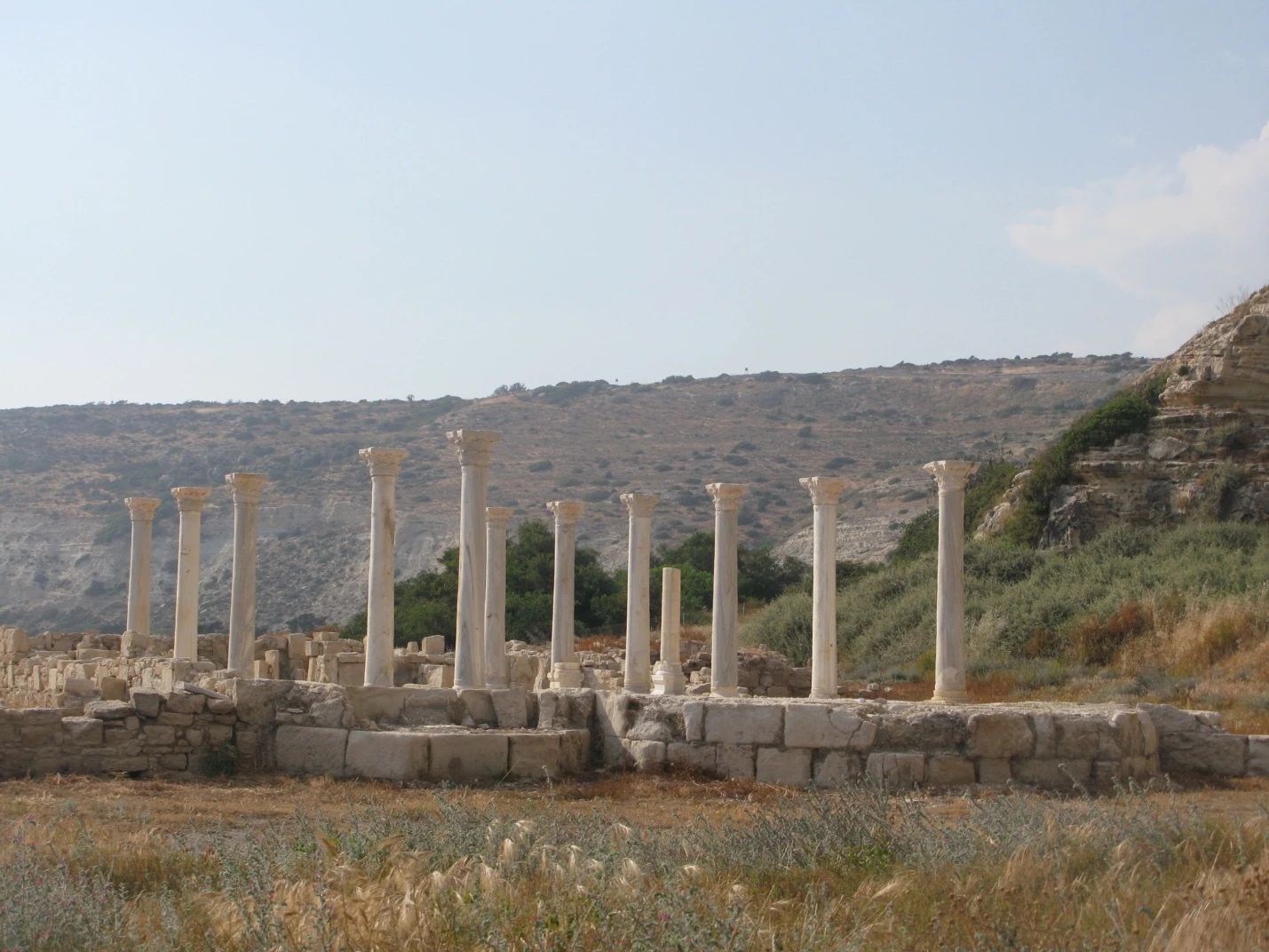
At the foot of the Kourion hill we encountered an early Christian complex that had not appeared in our description of the site at the time.
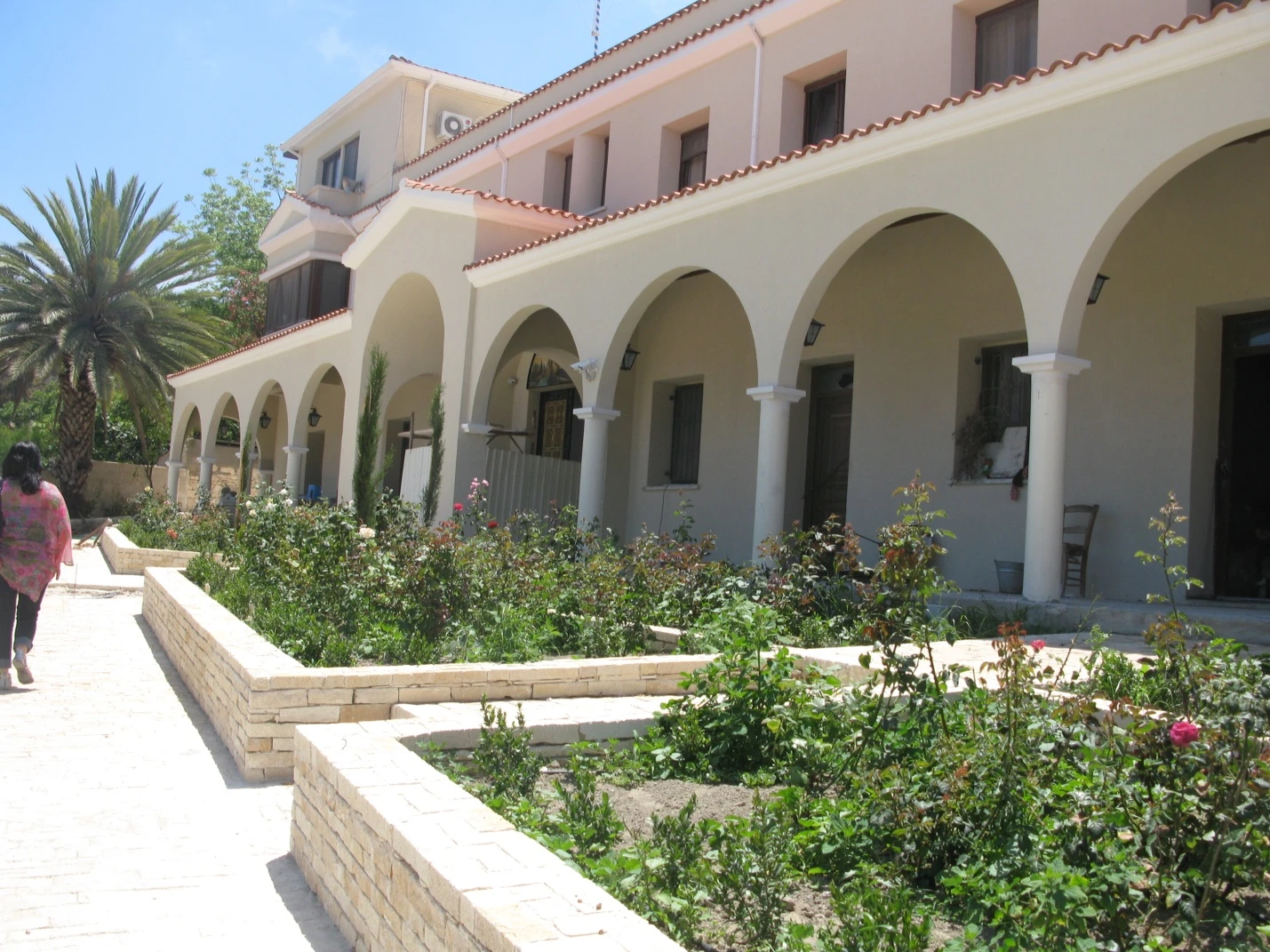
Several traditions explain the monastery’s name, ranging from German monks to the story of Suleiman and the snake.
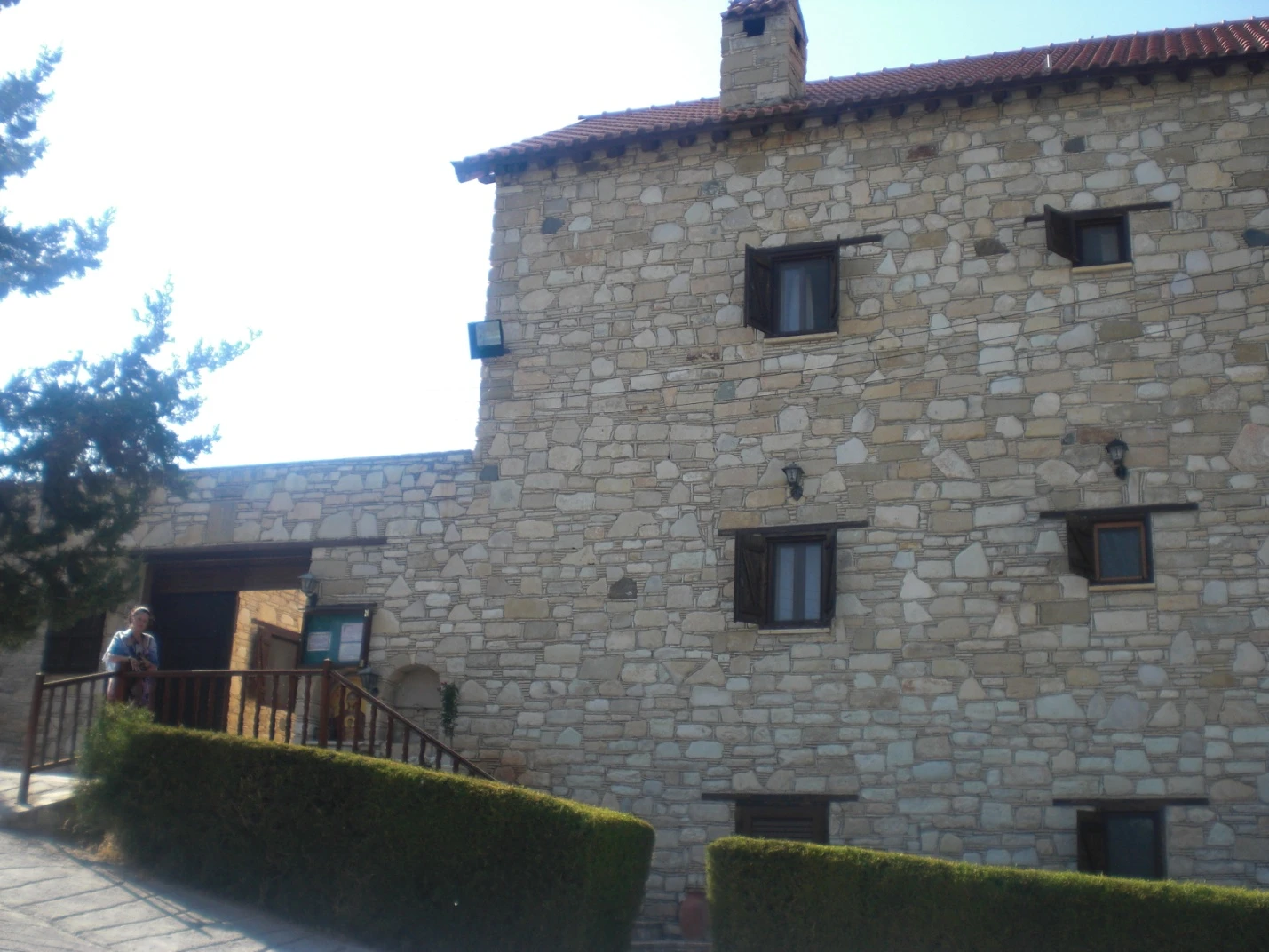
An ancient church with frescoes, restored cells, a hoard of coins and a spring above the Kouris River.
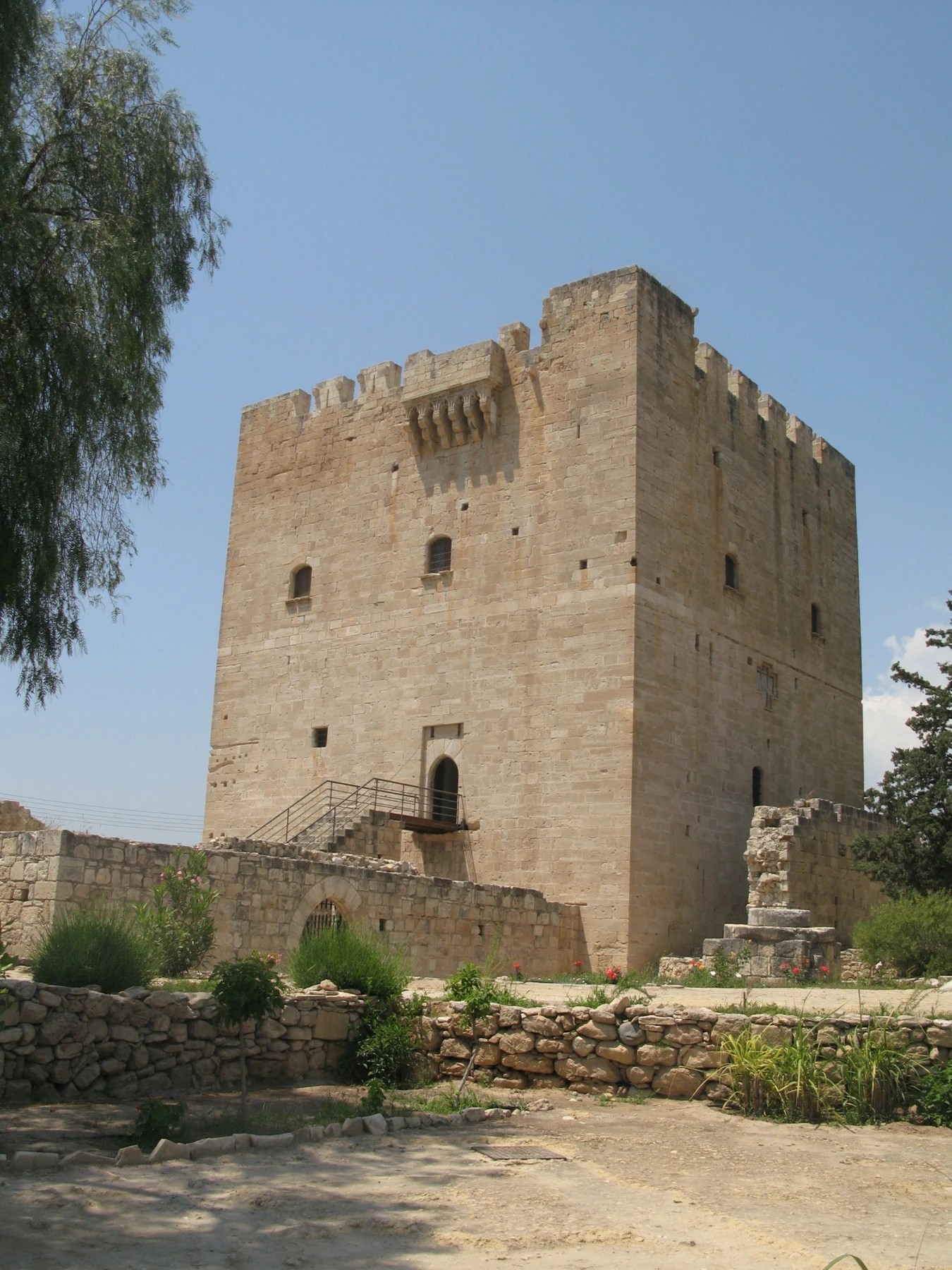
The monumental tower, coats of arms, aqueduct and church tell a story of knights, wine and sugar production.

We include the museum to connect the stories of Richard the Lionheart, the Lusignans, Venice and the Ottoman Empire in one urban location.
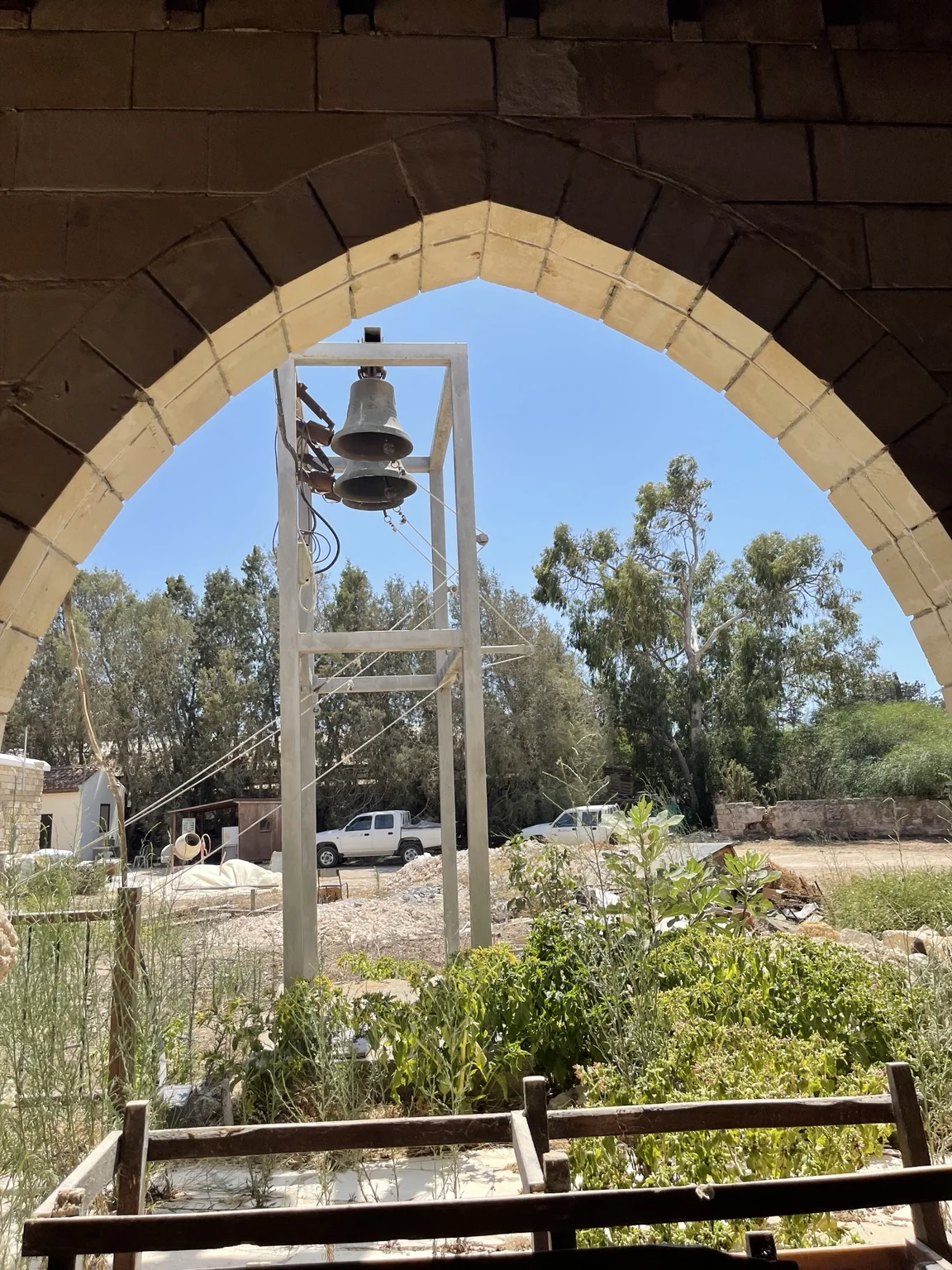
Cats, snakes and a bell form one of Cyprus’s best-known legends in our personal retelling.
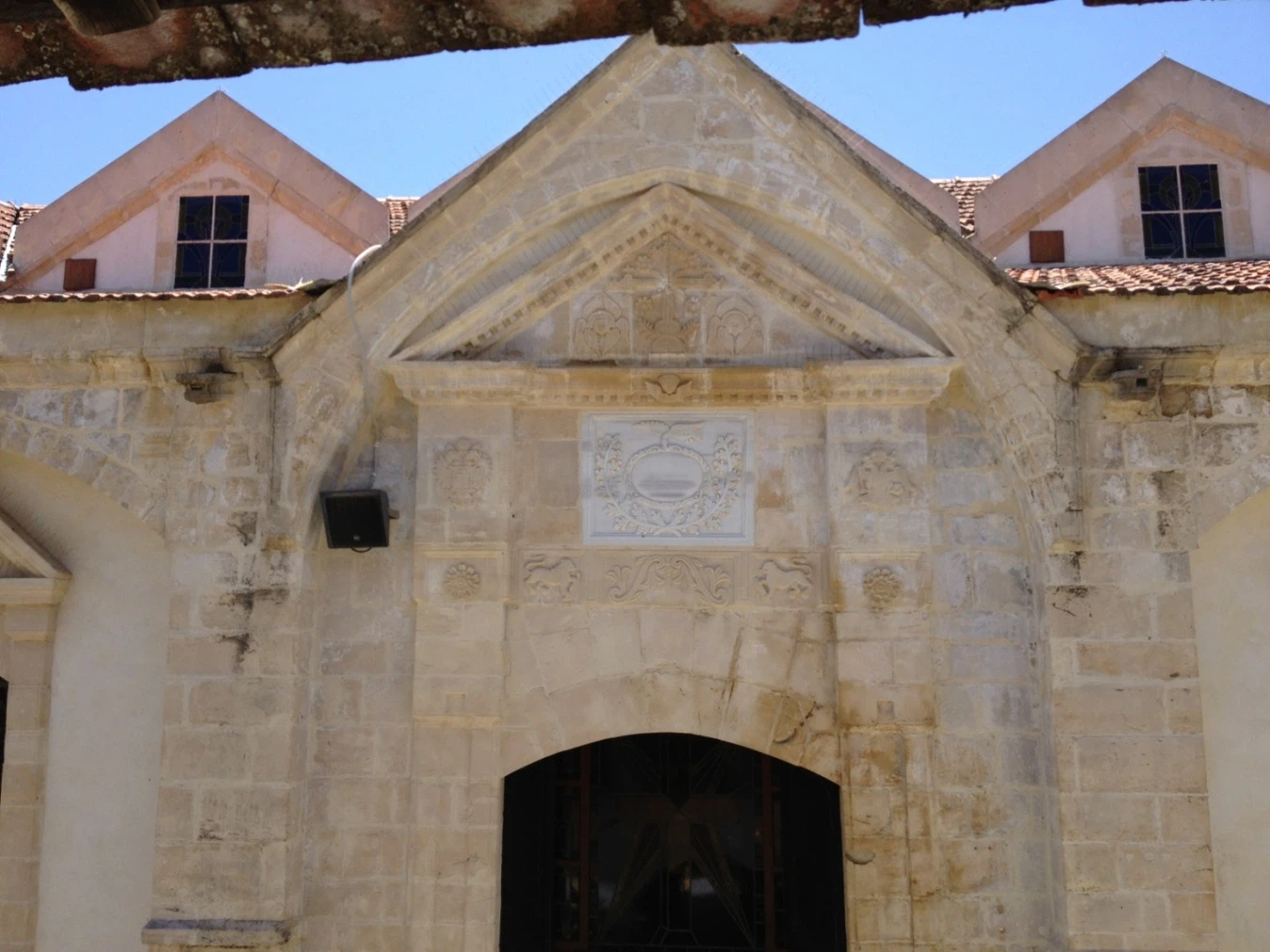
The arcades and pale stone of the monastery are connected in our notes with the tradition of Saint Helena and the relics kept here.
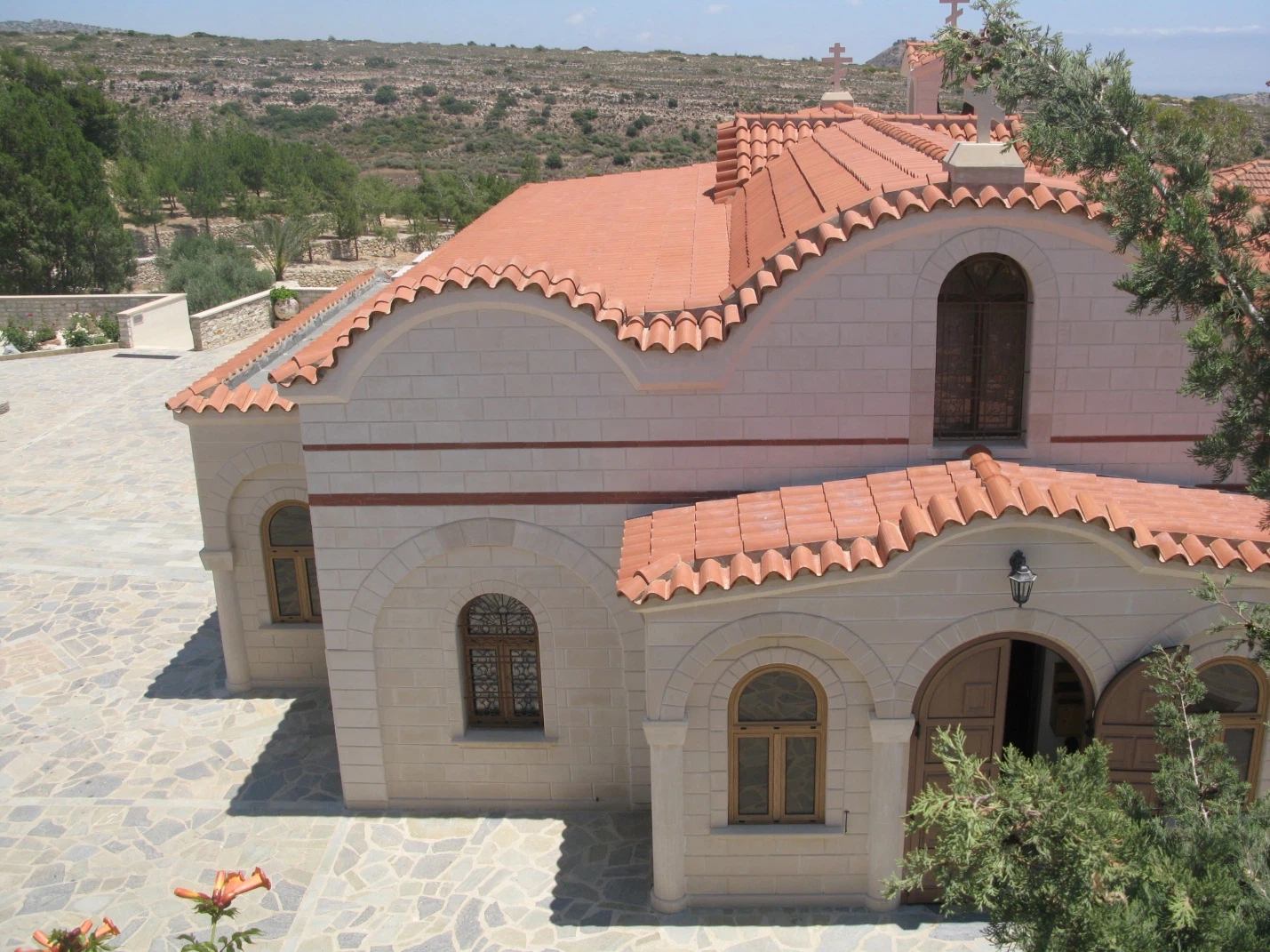
The story of searching by GPS became part of our account of this hillside monastery and its revered icon.

We include the museum as a starting point for discussing the leadership of EOKA and the way an image of a historical leader is created after events.