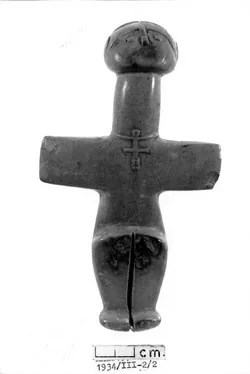
The Pomos Idol: a Chalcolithic cruciform figurine
This cruciform picrolite figurine is kept in the Cyprus Museum and appears on Cyprus’s €1 and €2 coins.
Topics
Excavations, museum collections and archaeological parks make it possible to compare material, layer, function and restoration from the Neolithic period to Late Antiquity.
This cruciform picrolite figurine is kept in the Cyprus Museum and appears on Cyprus’s €1 and €2 coins.
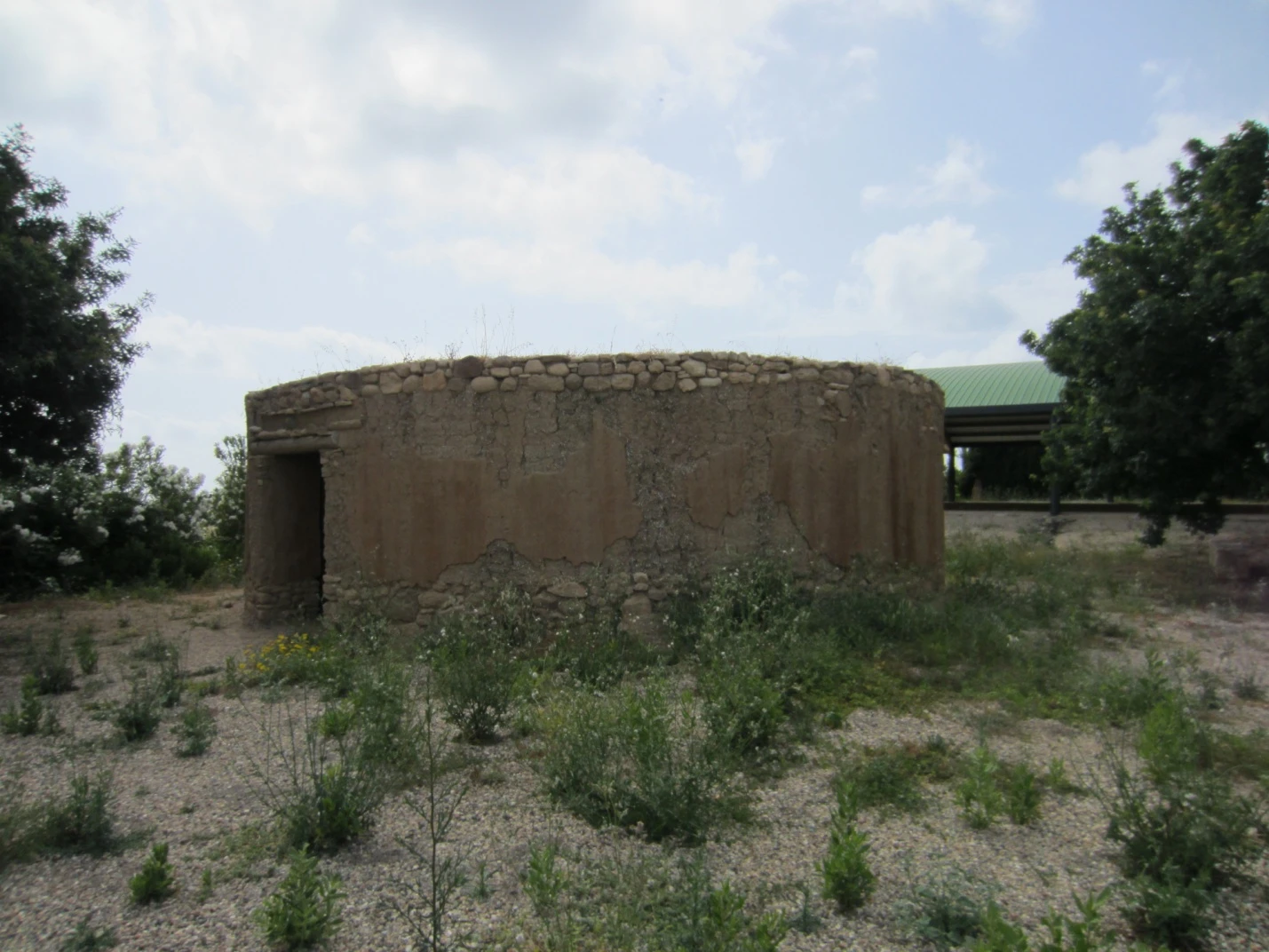
The island’s earliest architecture is represented by round houses; reconstructions of ancient dwellings can be seen beside the excavations.

We include Tenta as a second key to the Neolithic period: its distinctive modern shelter makes the archaeological site immediately recognisable.

We recommend beginning or ending the historical journey in the island’s principal archaeological museum, where separate sites form one continuous timeline.

We treat Choirokoitia as a separate stop because it is one of the best places on the island for imagining the daily life of the first farming communities.
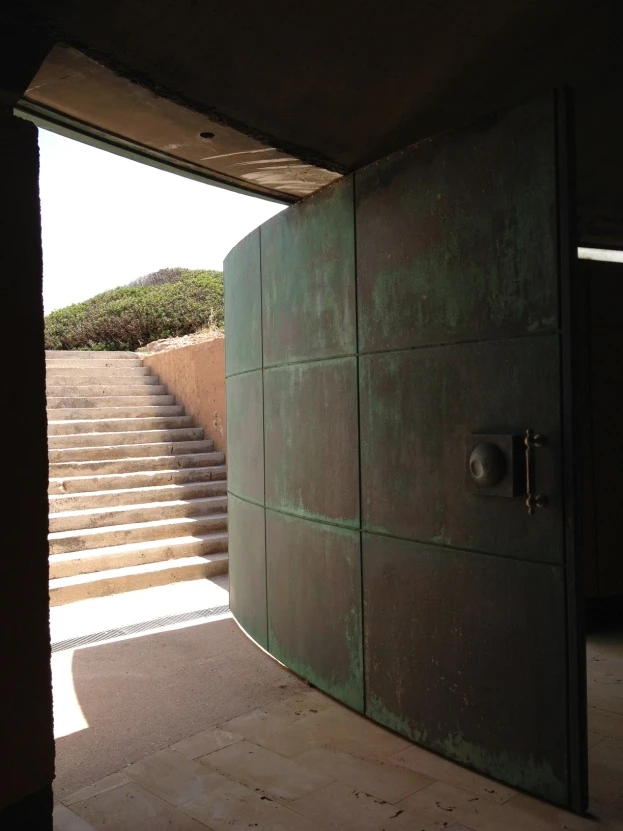
The partly underground museum at Cape Maa tells the story of a Mycenaean settlement and displays unusual examples of early writing.

We include the museum as the link between Choirokoitia, Tenta, Kition and the Bronze Age settlement beside the salt lake.

We include the archaeological areas of Kition so that the city can be seen not only in a museum case but also within the modern urban fabric of Larnaca.

We distinguish the Bronze Age settlement from the much later Muslim shrine: entirely different periods share the same geographical setting.

We include Enkomi because it is difficult to understand Cyprus as a major centre of Late Bronze Age copper trade without it.
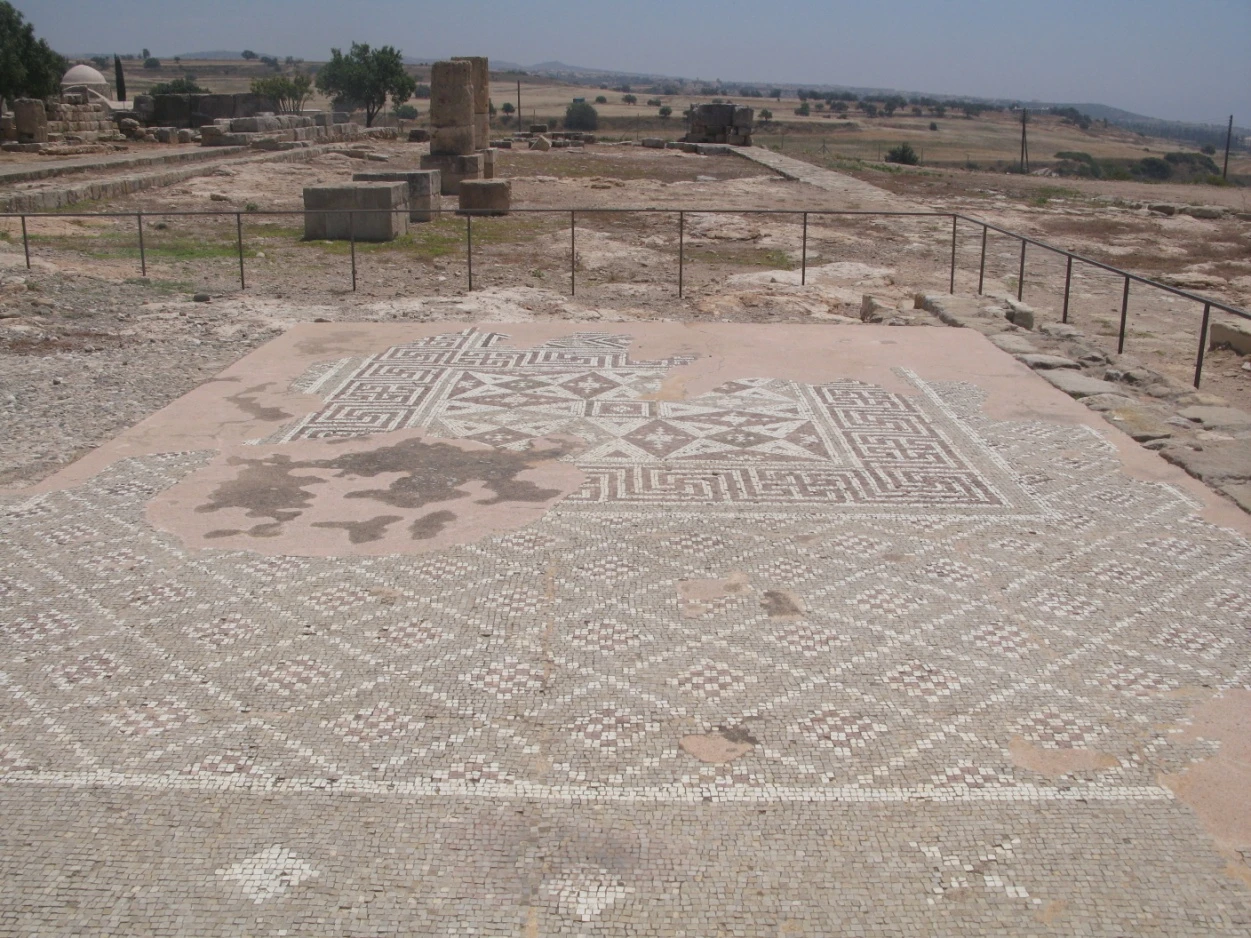
The sanctuary remains, the dark cult stone and the mosaic floors connect the site with ancient cults of the mother goddess, Astarte and Aphrodite.
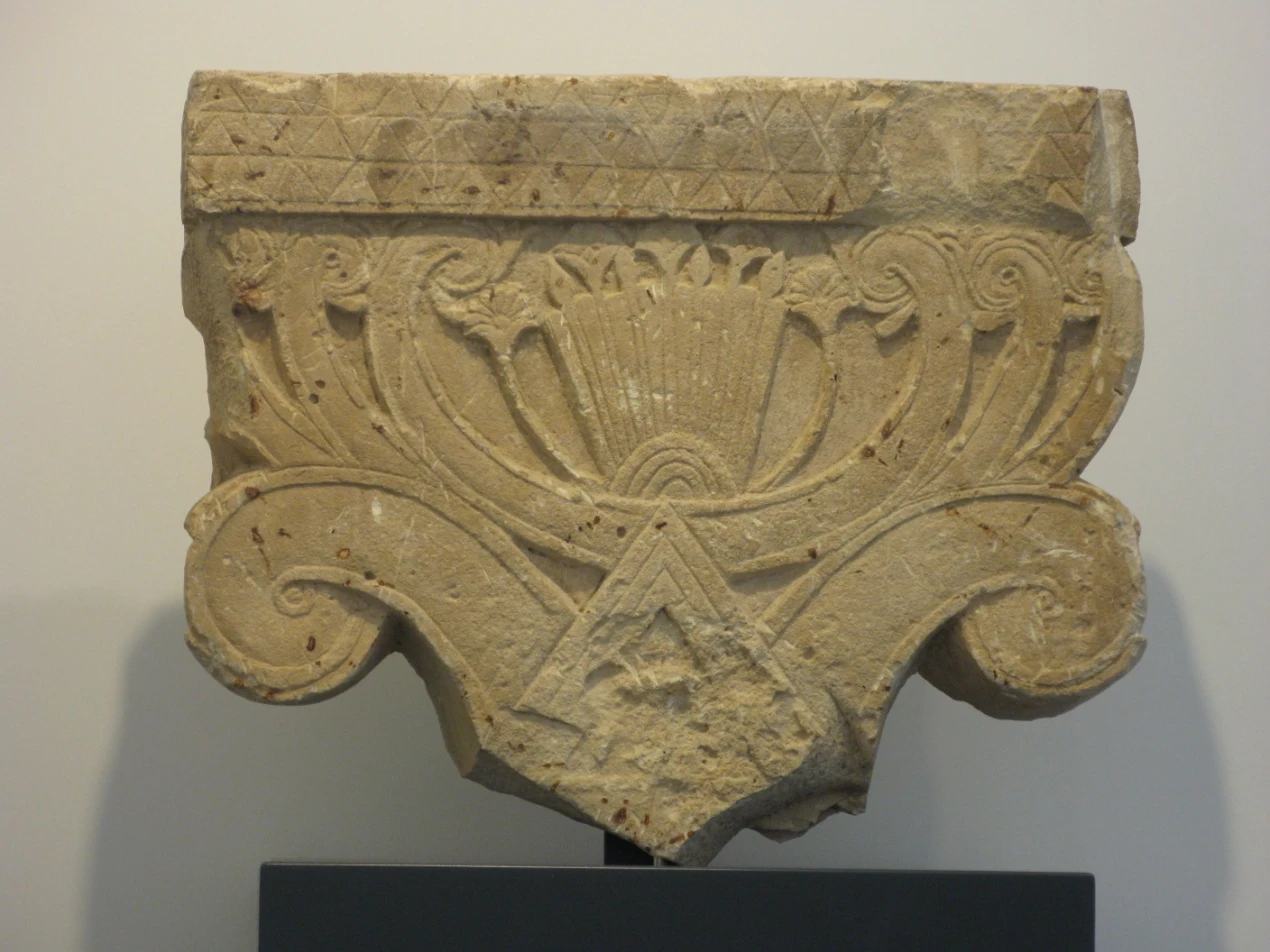
The ancient city beside modern Dali is associated with Aphrodite, Phoenician influence and important bilingual finds.
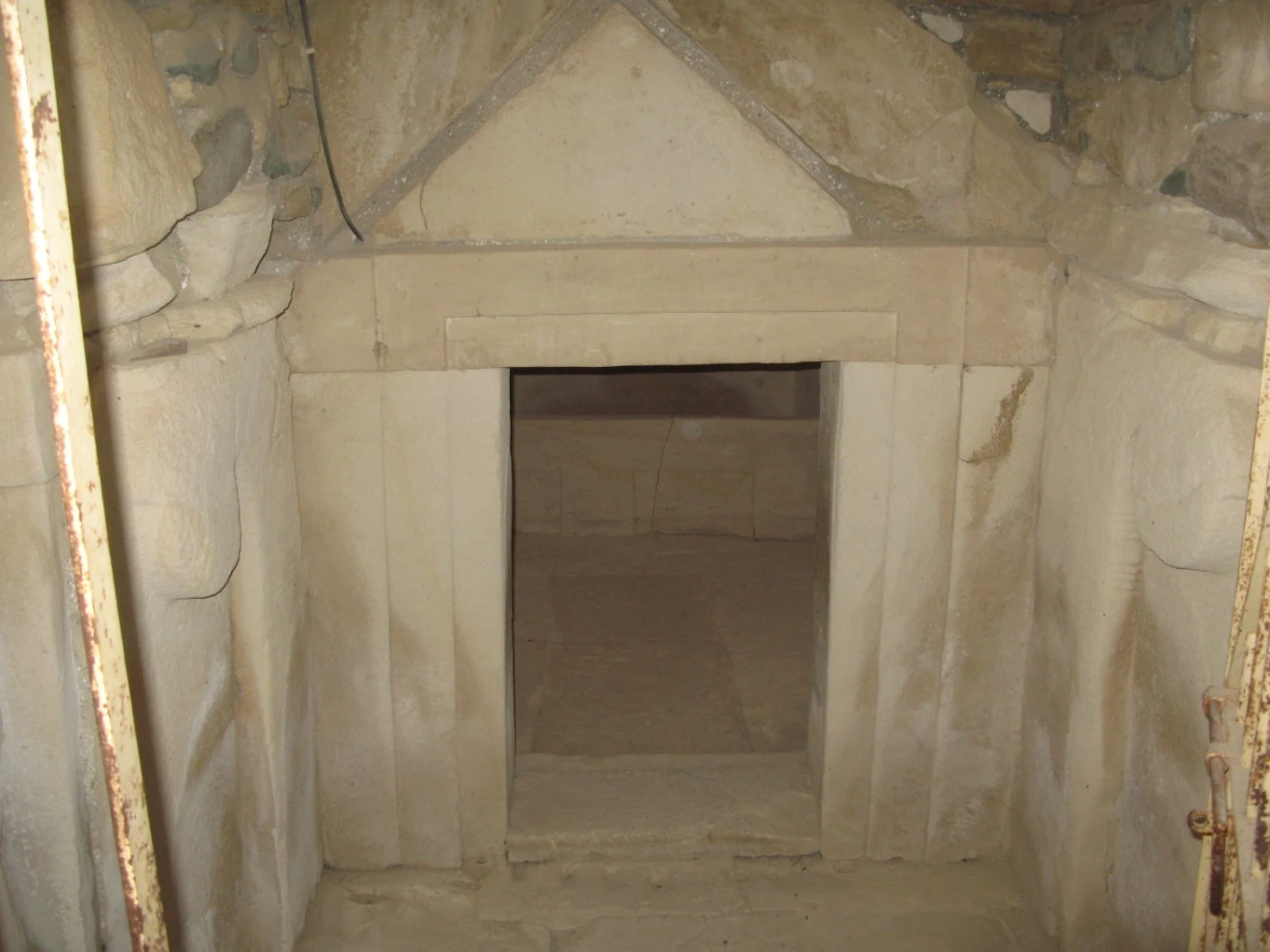
Much of the ancient city remains beneath the modern village and monastery, while the excavated tombs reveal monumental architecture.
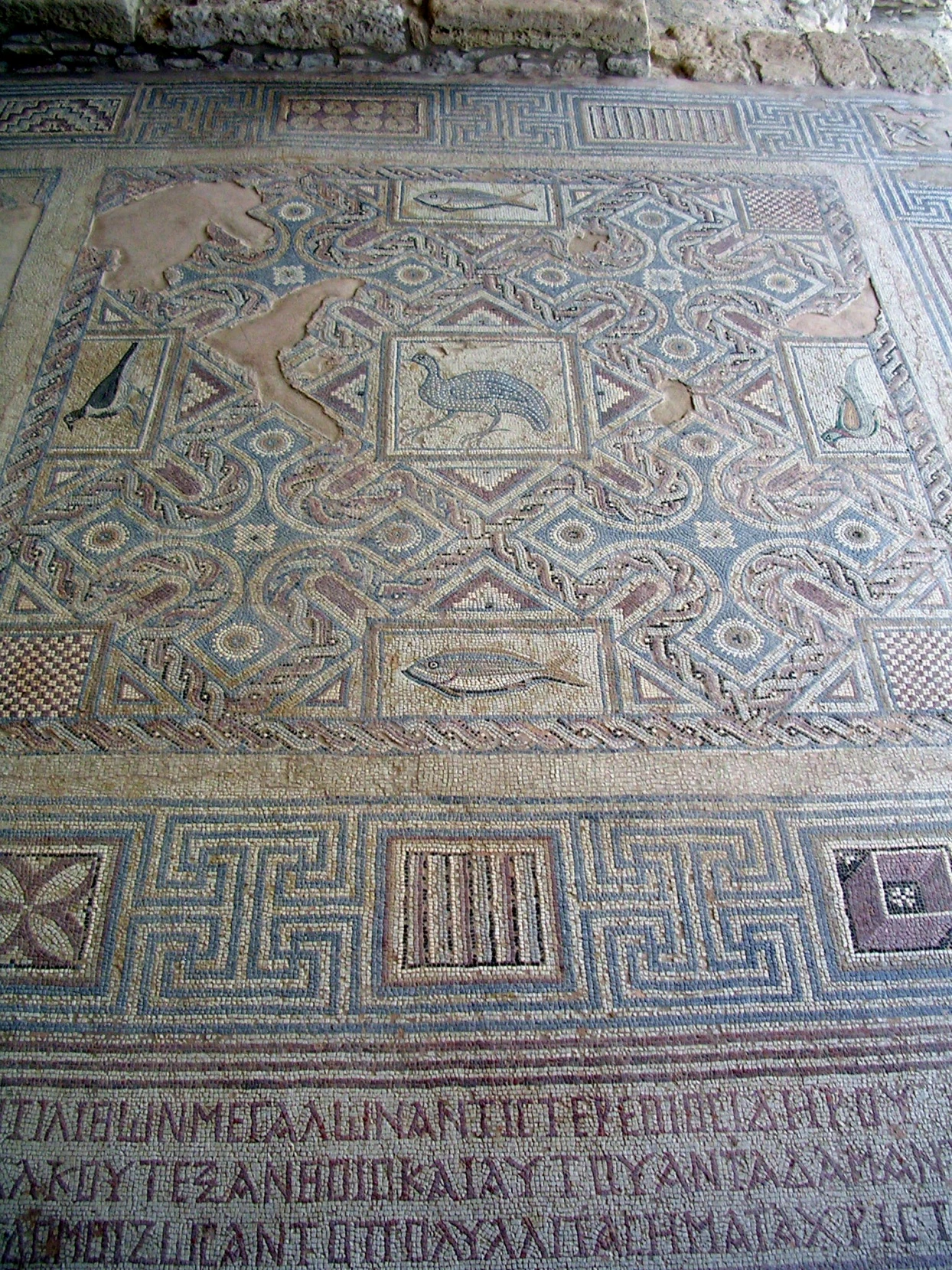
The city on the cliff above the sea preserves a theatre, villas and elaborate mosaic floors with ancient Greek inscriptions.

We treat Amathus as a separate stop because the city brings together the myth of Ariadne, the cult of Aphrodite, Phoenician influence and monuments of the late Roman period.
We include the museum so that the brief story of Marion becomes a complete stop in the north-west of the island.

We include Salamis as one of the island’s major ancient cities and a place where the history of the city-kingdoms continues into the Roman and early Christian periods.

We include Soloi so that the map of the city-kingdoms does not end with only the sites that are easier to reach from the south.
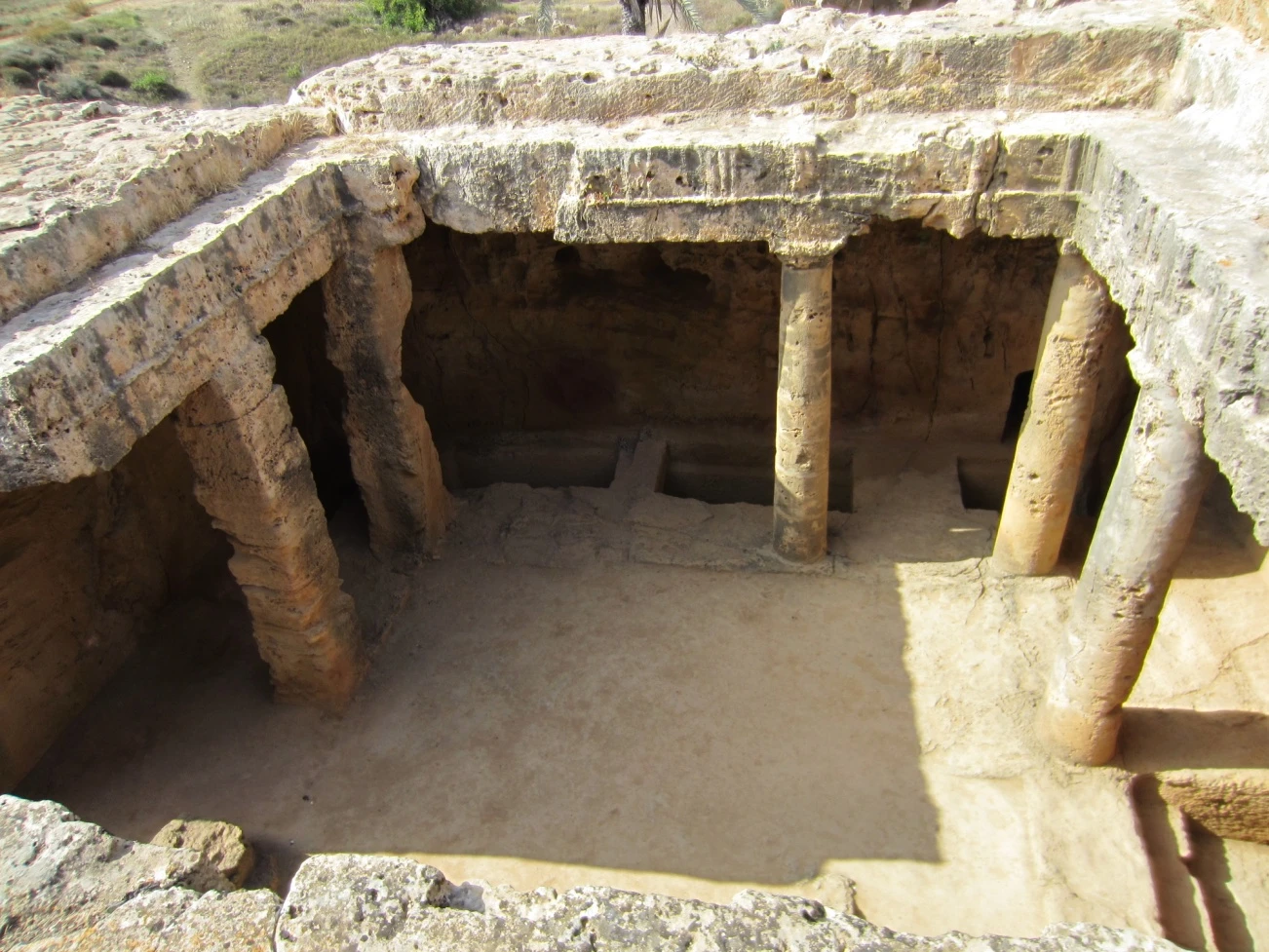
The foundation of a new harbour, the monumental tombs and Paphos’s later role as the capital of the island.

Our personal choice: vessels shaped like parts of the human body that ancient physicians used as warming devices.

We combine the mosaics, odeon, agora and other monuments into one route through Nea Paphos.

We include this small museum because after walking among large ruins it brings the objects from Kourion back to a human scale.
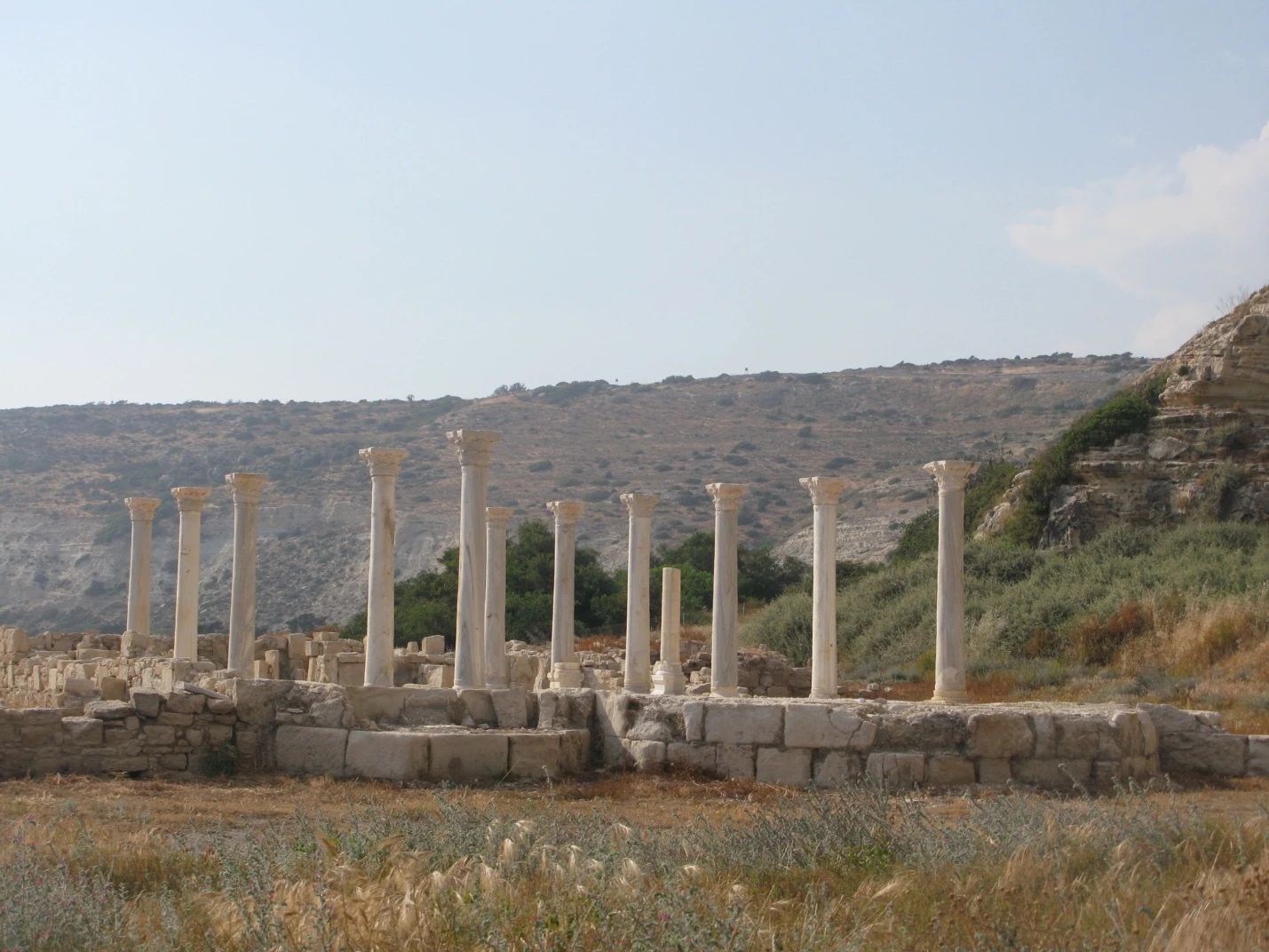
At the foot of the Kourion hill we encountered an early Christian complex that had not appeared in our description of the site at the time.