
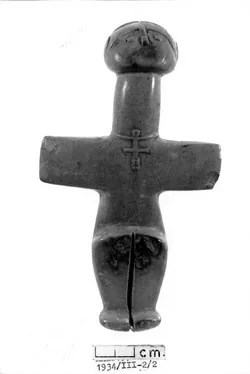
The Pomos Idol: a Chalcolithic cruciform figurine
This cruciform picrolite figurine is kept in the Cyprus Museum and appears on Cyprus’s €1 and €2 coins.
Regions
Here we have gathered material on the capital, museums, city walls, old neighbourhoods and monuments of the central part of the island. The page helps build a route from ancient artefacts to contemporary divided Nicosia.
This cruciform picrolite figurine is kept in the Cyprus Museum and appears on Cyprus’s €1 and €2 coins.

We recommend beginning or ending the historical journey in the island’s principal archaeological museum, where separate sites form one continuous timeline.
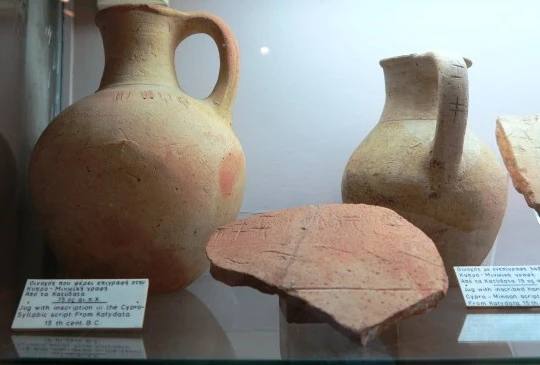
Cypro-Minoan writing is known from signs on clay, metal and other Late Bronze Age objects, but it has not been deciphered with certainty.
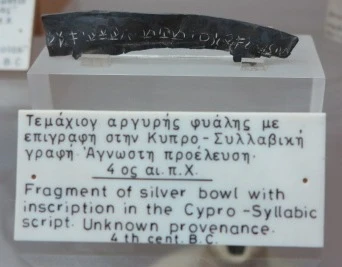
Inscriptions on stone, metal and pottery show how different writing systems coexisted on the island.
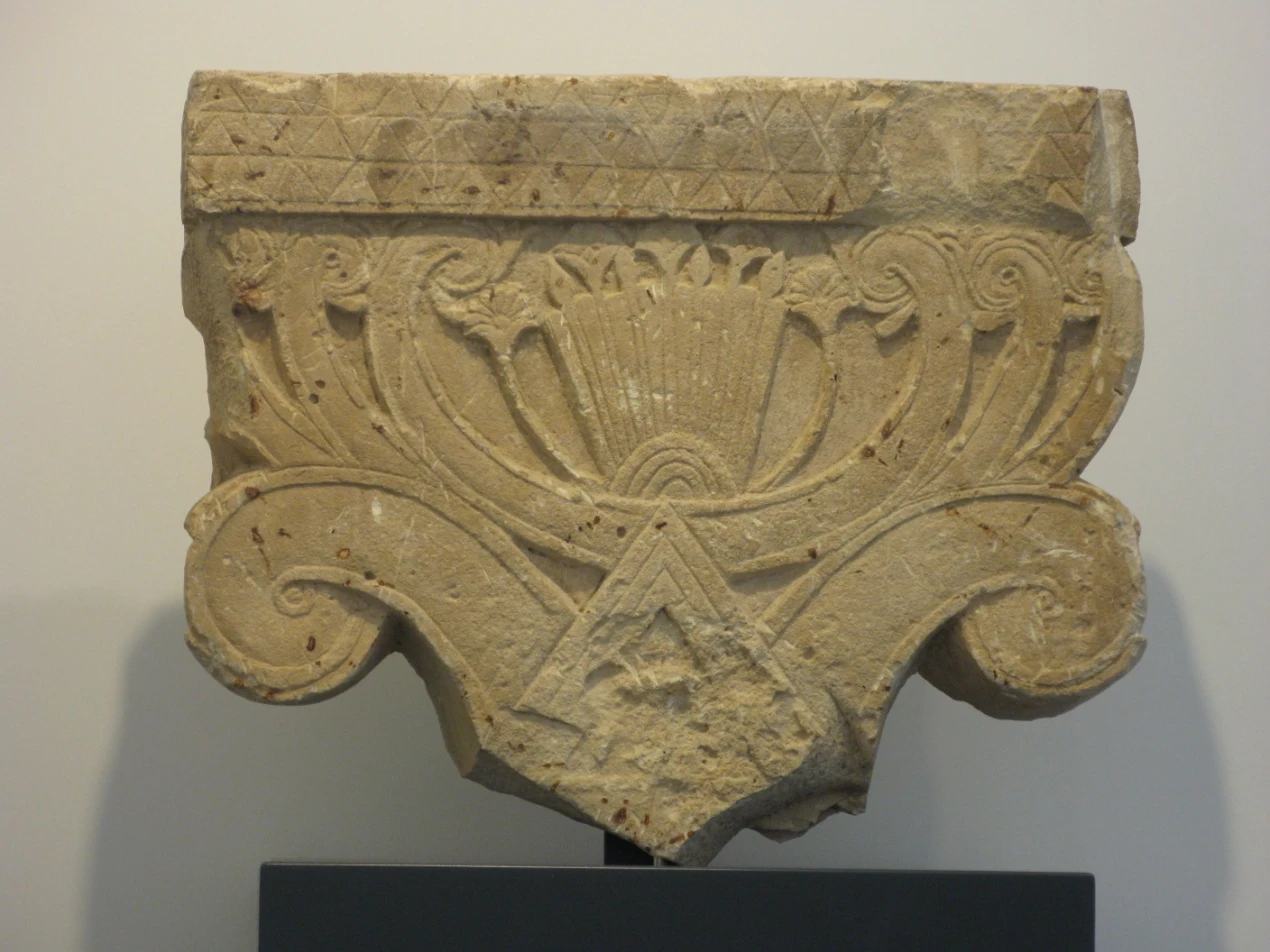
The ancient city beside modern Dali is associated with Aphrodite, Phoenician influence and important bilingual finds.
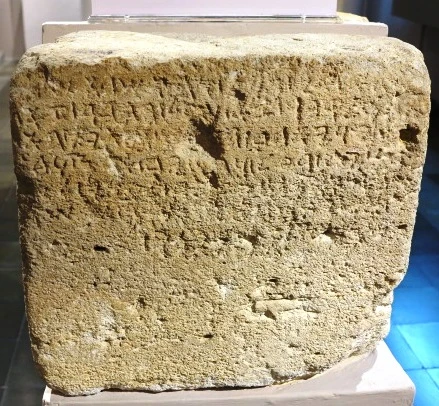
A museum stone offers a way to explore the twenty-two signs of the Phoenician alphabet and its influence on other scripts.
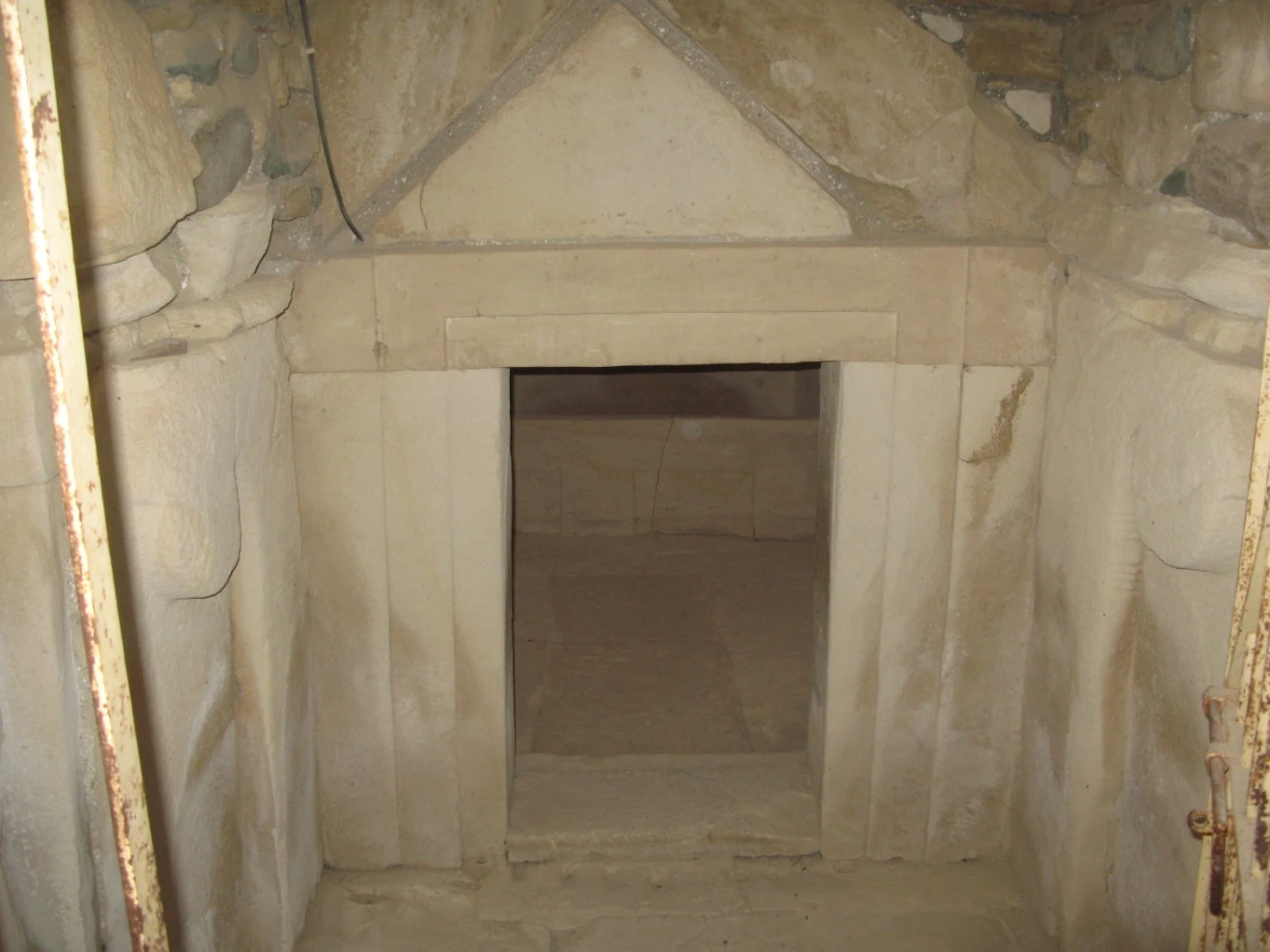
Much of the ancient city remains beneath the modern village and monastery, while the excavated tombs reveal monumental architecture.

This short museum chapter highlights the mosaics from Lythrangomi, a sixth-century icon and a double-sided icon of Saint Marina whose earlier face dates to the eighth century.
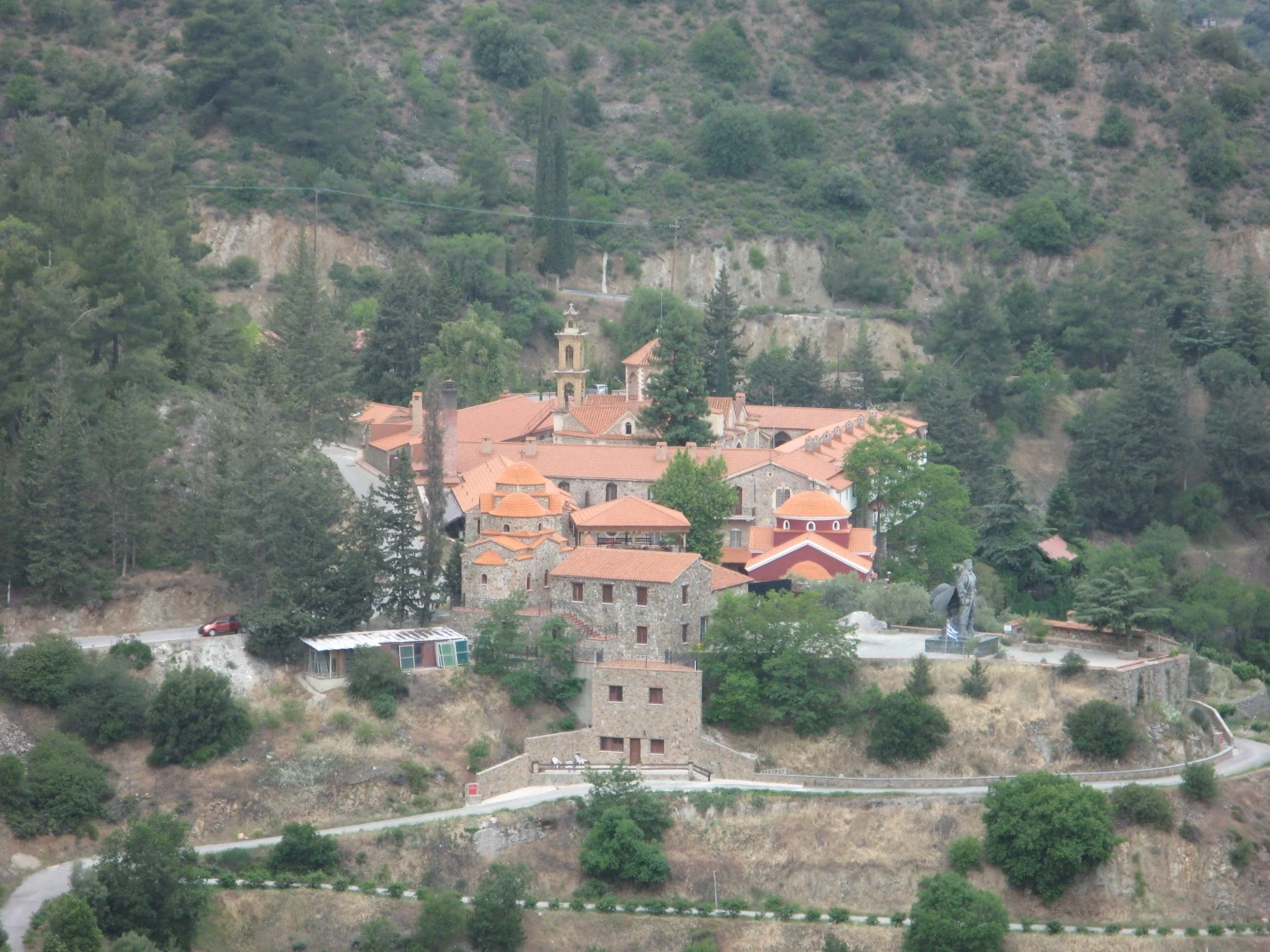
The narrow mountain road, imperial patronage and the icon of Panagia Machairiotissa made this one of the most personal journeys in our family archive.
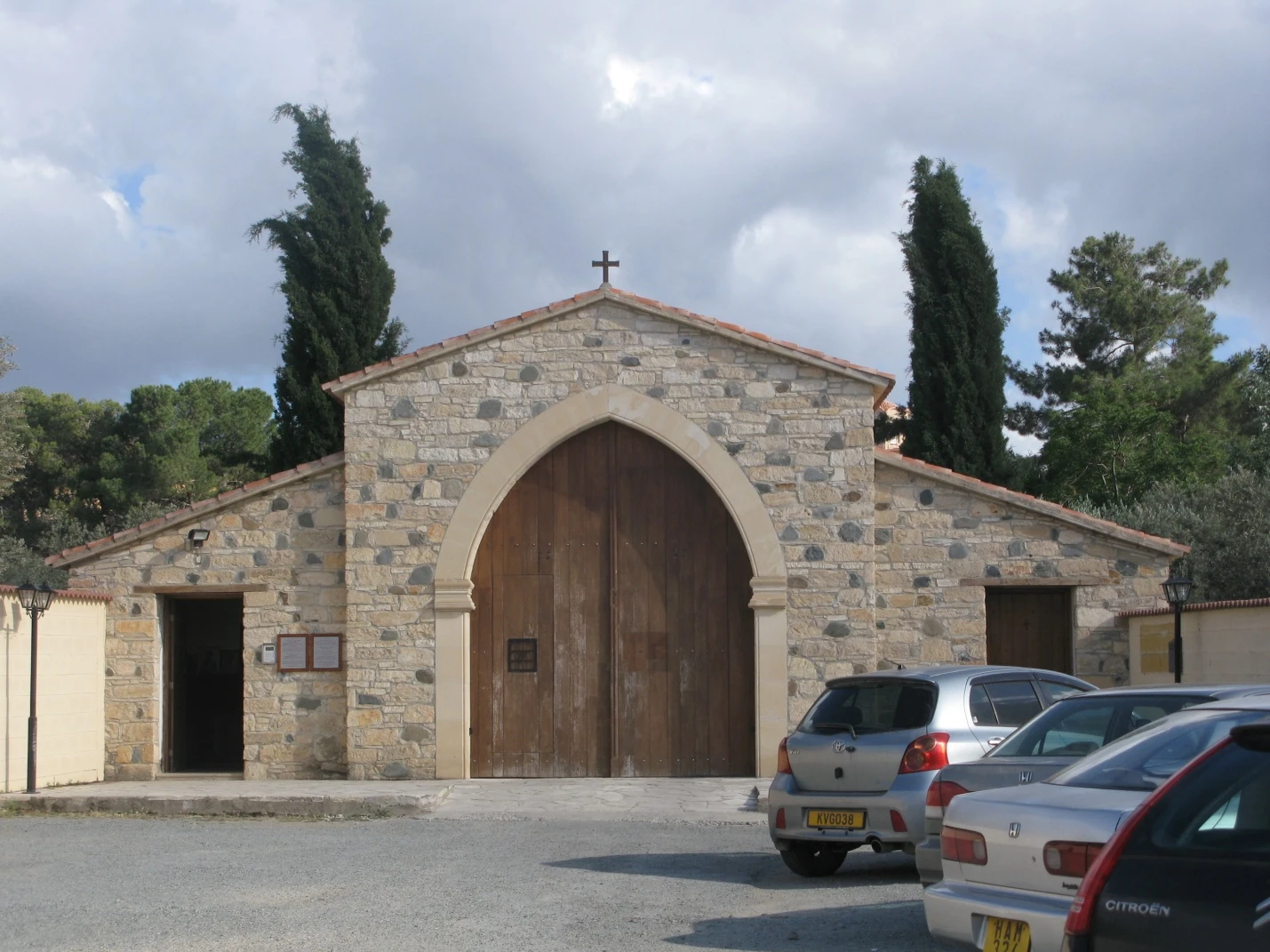
The monastery near ancient Tamassos is associated with a disciple of the apostles Paul and Barnabas.
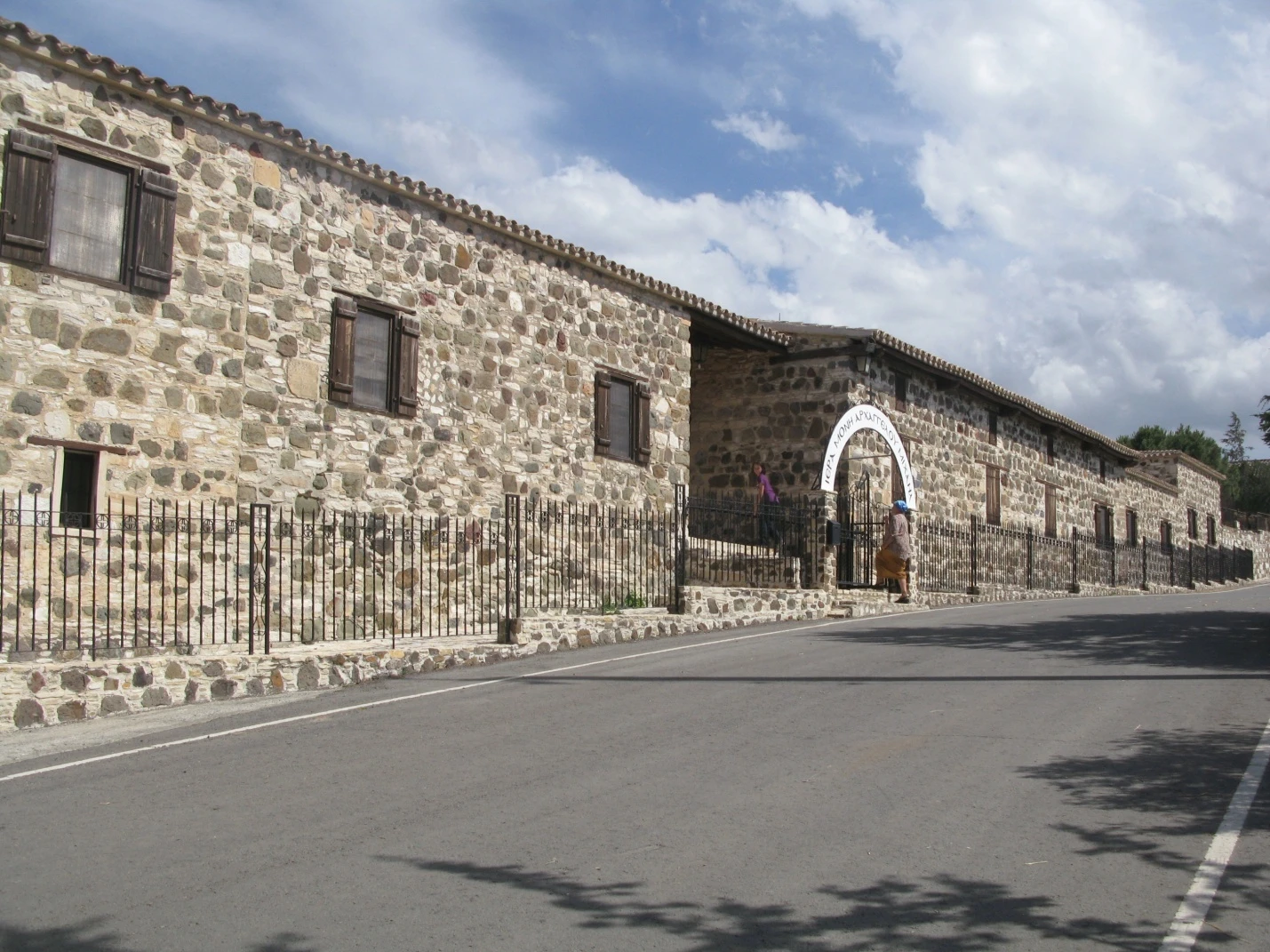
The long stone building beside the road recalls the twentieth-century restoration of an abandoned monastery.

We include the museum as a place to see icons, frescoes and returned mosaic fragments without undertaking a long mountain route.
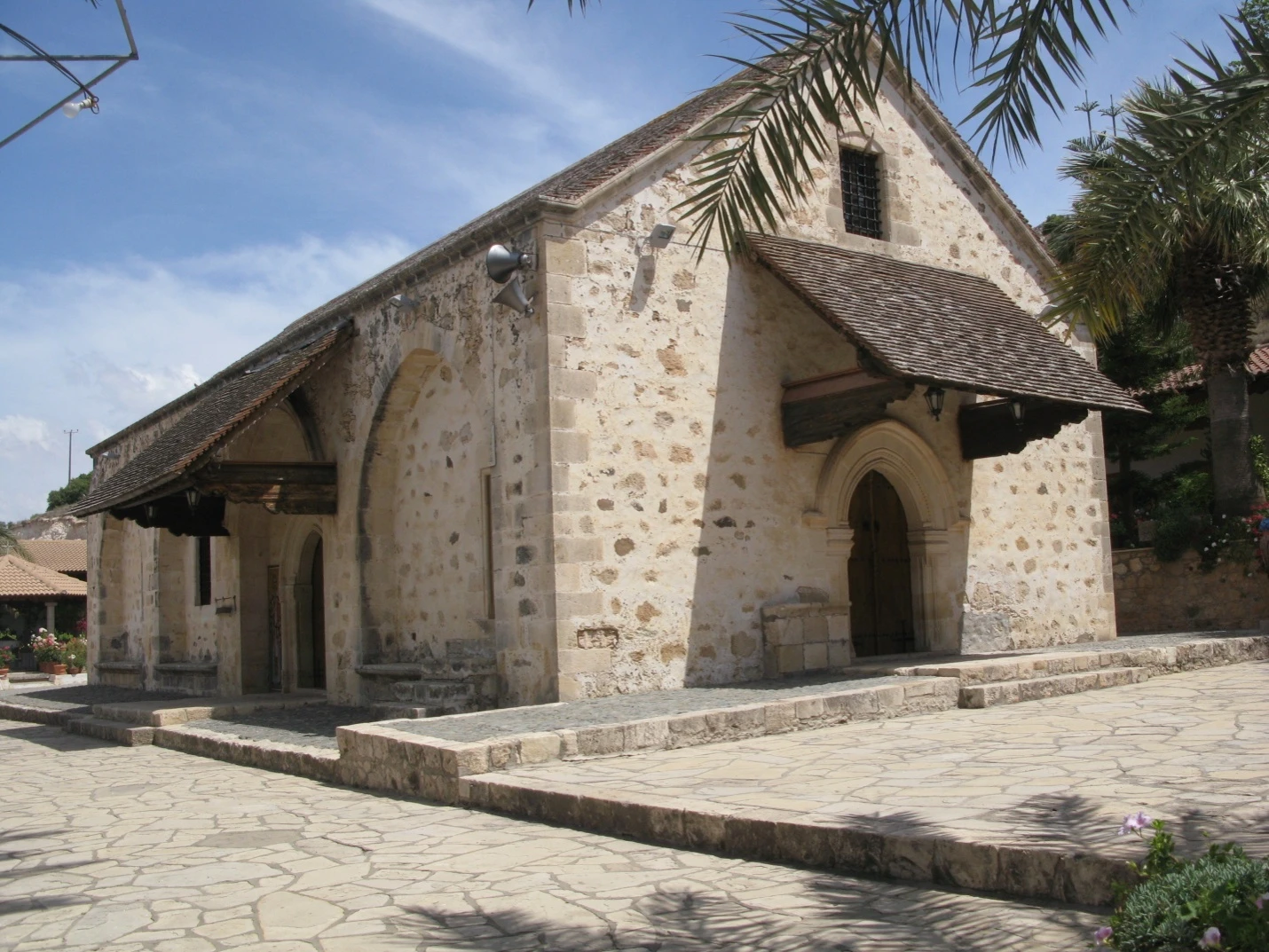
A small stone church and a carved inscription accompany the story of the physician and martyr saint.
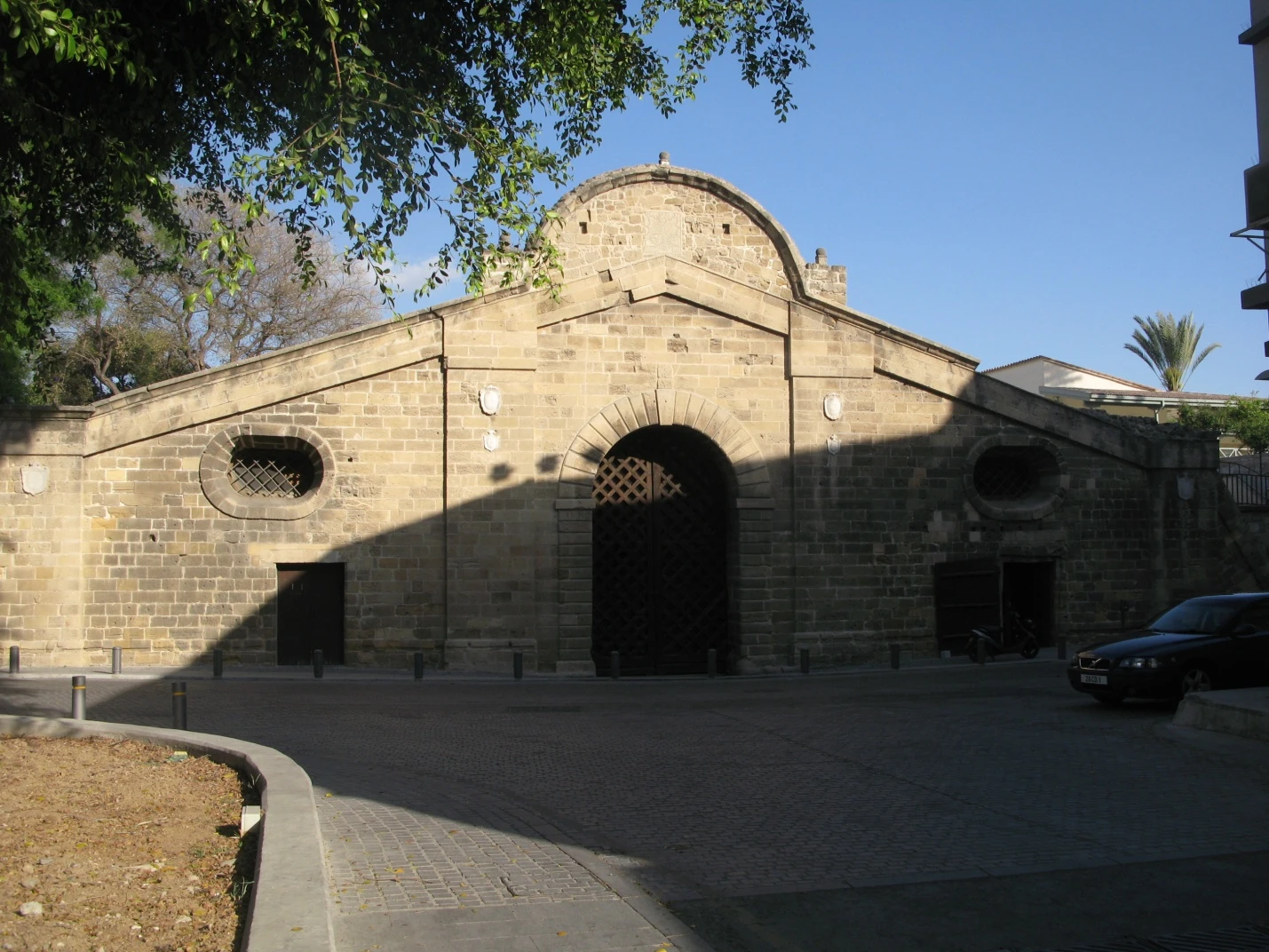
One of the principal entrances to old Nicosia passes through the sixteenth-century Venetian walls.
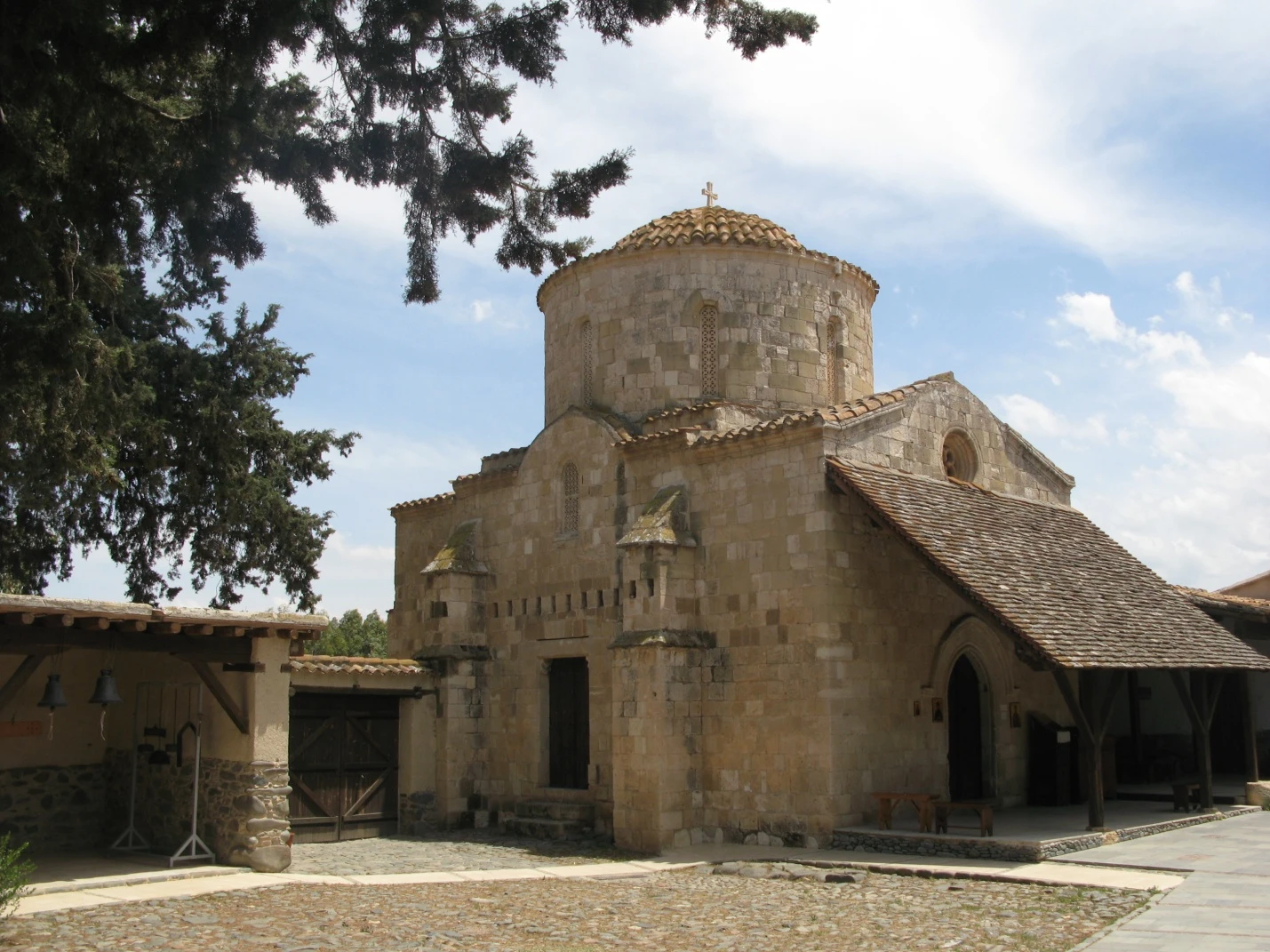
A stone church accompanies a brief account of Saint Nicholas and the development of the Santa Claus image.

We include the entire circuit of walls so that Famagusta Gate is not left as an attractive isolated façade without its military context.
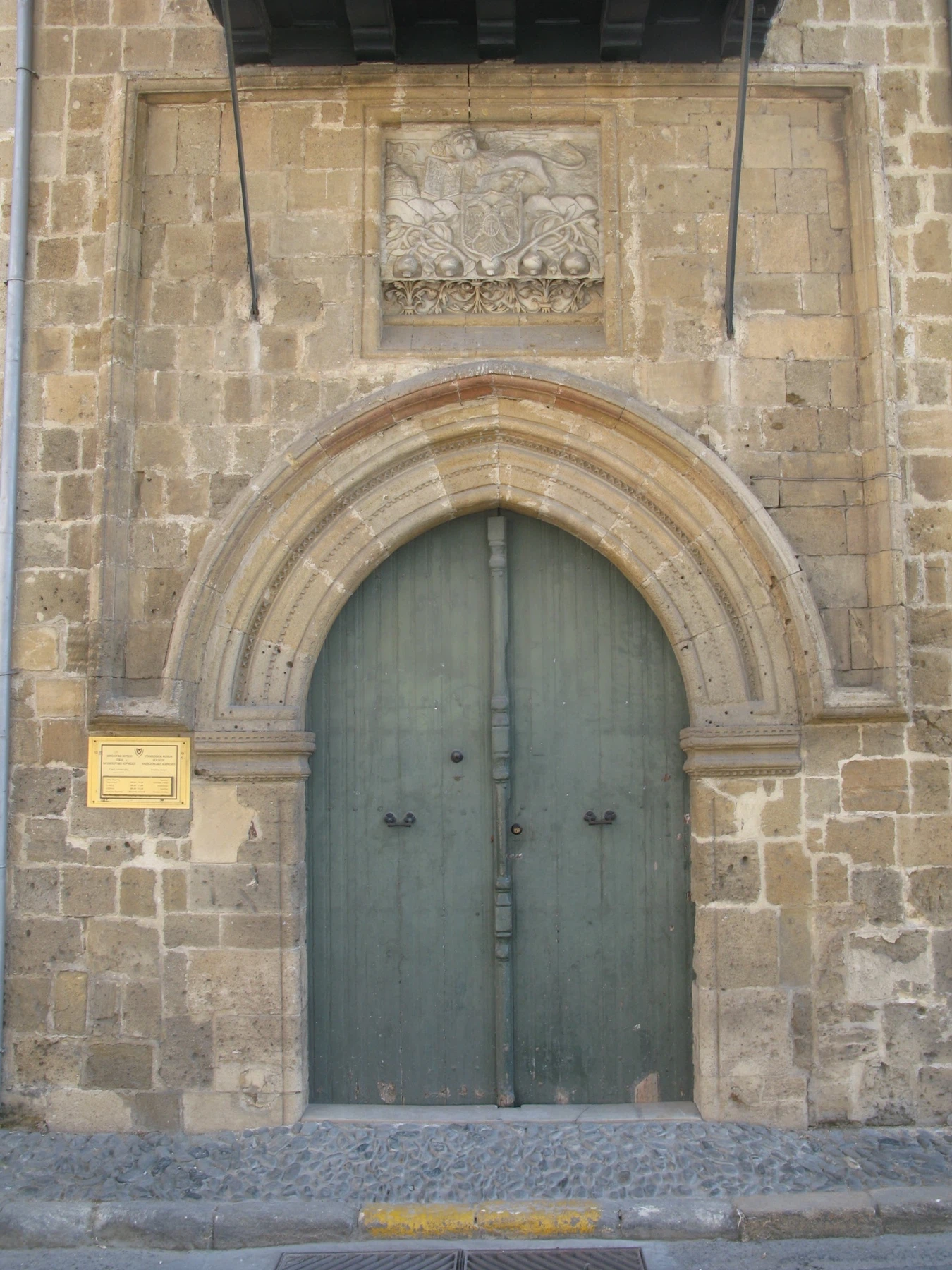
The dragoman’s house preserves furniture, textiles, tableware and the atmosphere of eighteenth-century urban life.

We include Ömeriye as a place where medieval Christian architecture acquired a new life in the Ottoman city.
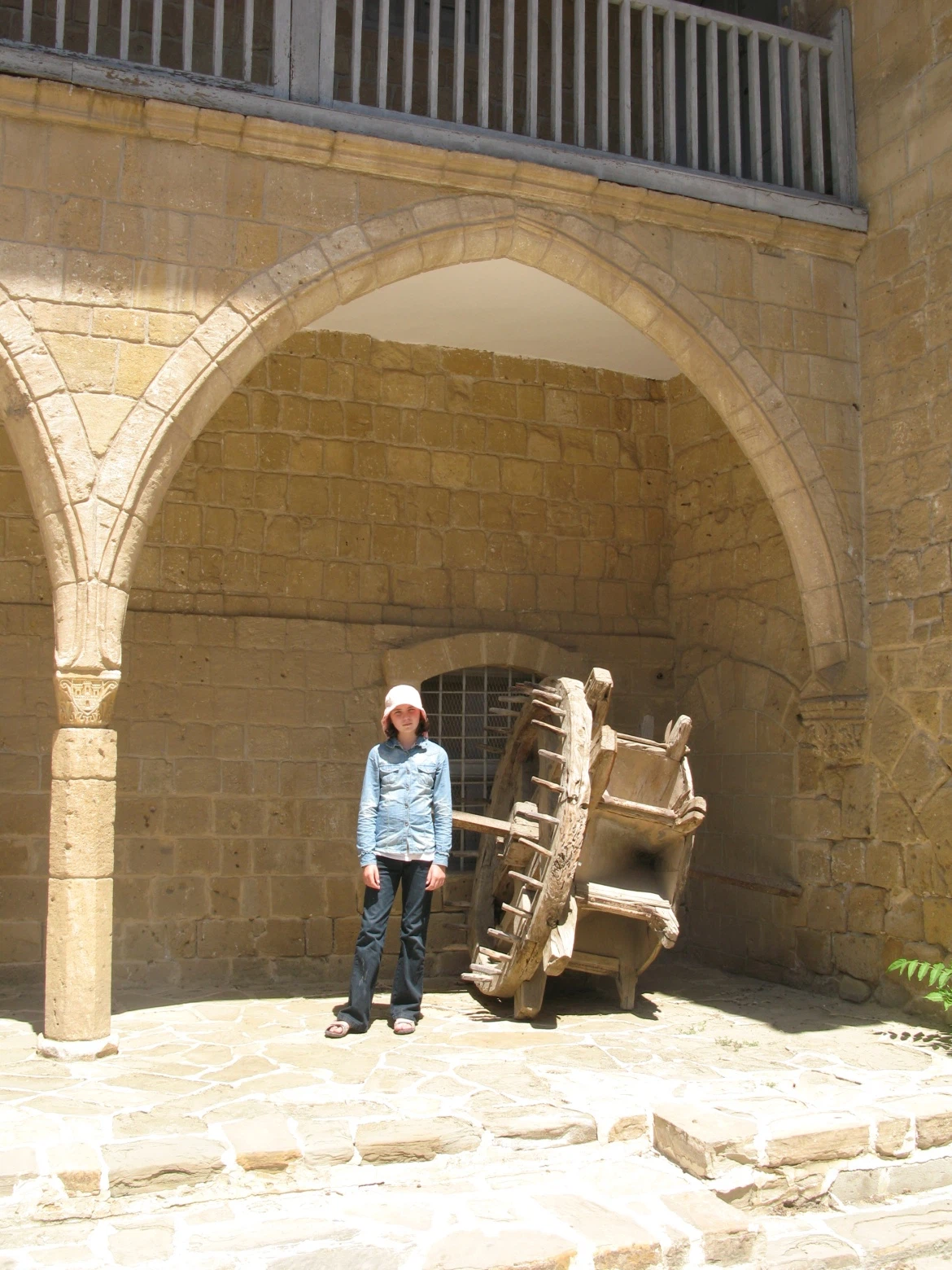
Looms, tambourines, clothing, embroidery and domestic interiors reveal everyday life in the nineteenth and twentieth centuries.
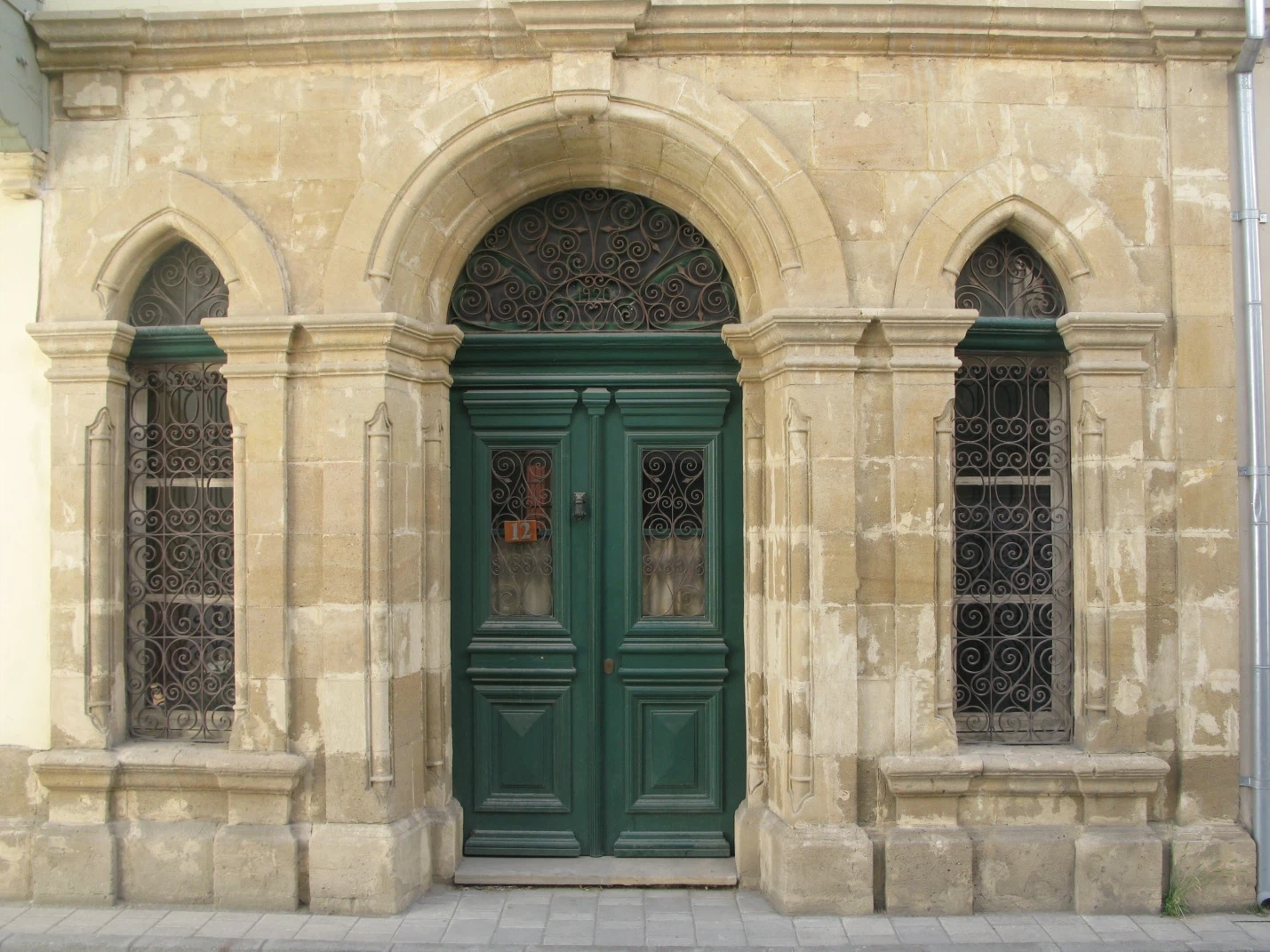
We turned a walk through old Nicosia into a family game by looking for construction dates woven into the metalwork above the doors.

We include the former station so that the British period can be seen not only through politics but also through everyday movement around the island.

We include the museum as the principal place for learning about the anti-colonial struggle of Greek Cypriots against British rule.

We include the site near Machairas so that one mountain route connects monastic history with the twentieth century.

We include the prison complex as one of the most powerful places of memory connected with the anti-colonial struggle.
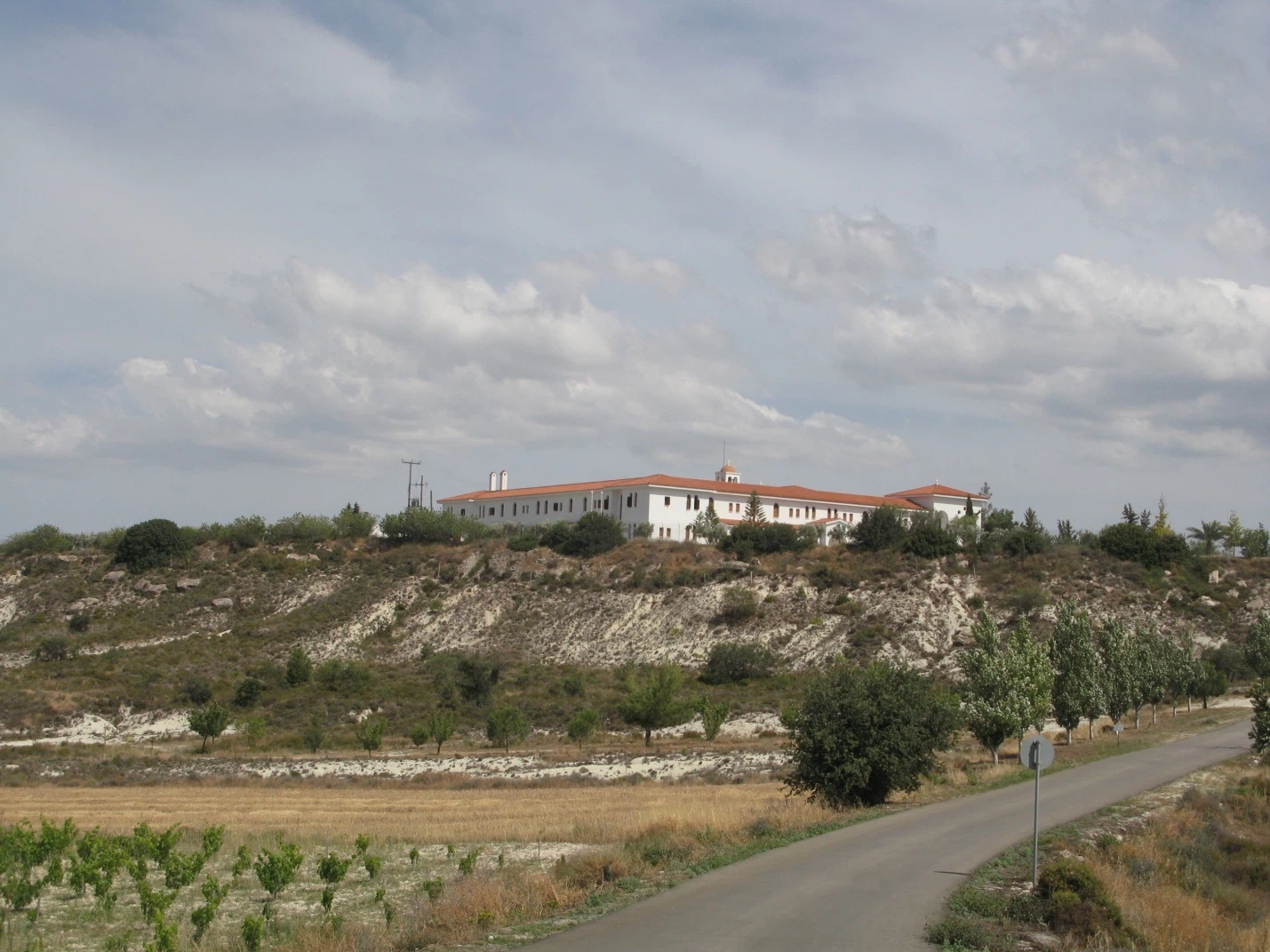
This women’s monastery on a hill shows that the monastic history of Cyprus continued into the twentieth century.

We include a walking route so that the island’s division can be seen not only on a map.

We include the memorial complex for a discussion of conflicts after independence and the events of 1974.

We include the museum as an ideal final stop, where the whole history of the capital is assembled once again into one continuous line.