
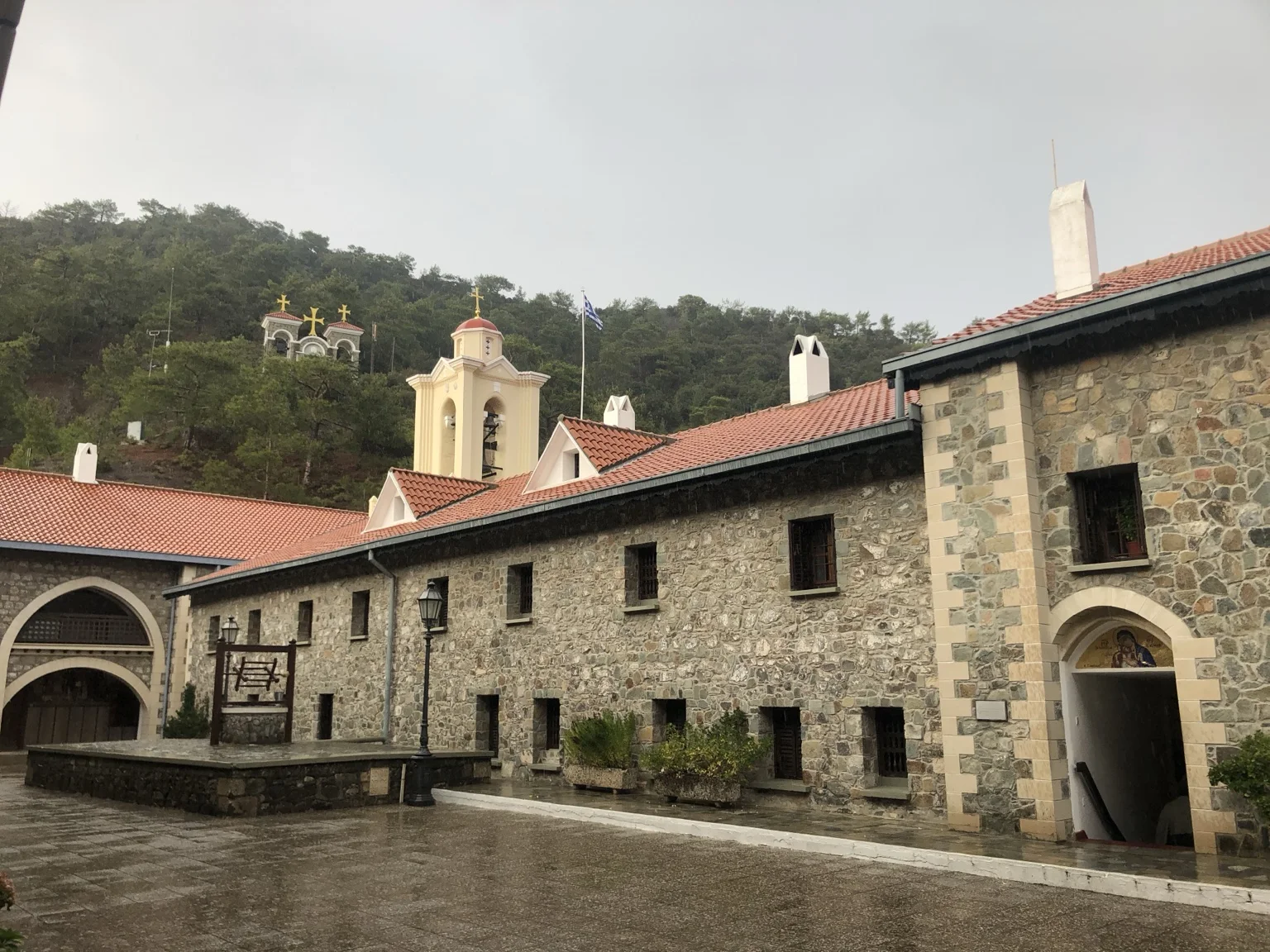
Kykkos Monastery
The principal monastery in our family route is associated with the tradition of a miraculous icon, repeated fires and a rich museum collection.
Topics
Active monasteries, historic complexes, cave cells and monastic museums reveal the island’s religious history without confusing documented facts with tradition.
The principal monastery in our family route is associated with the tradition of a miraculous icon, repeated fires and a rich museum collection.
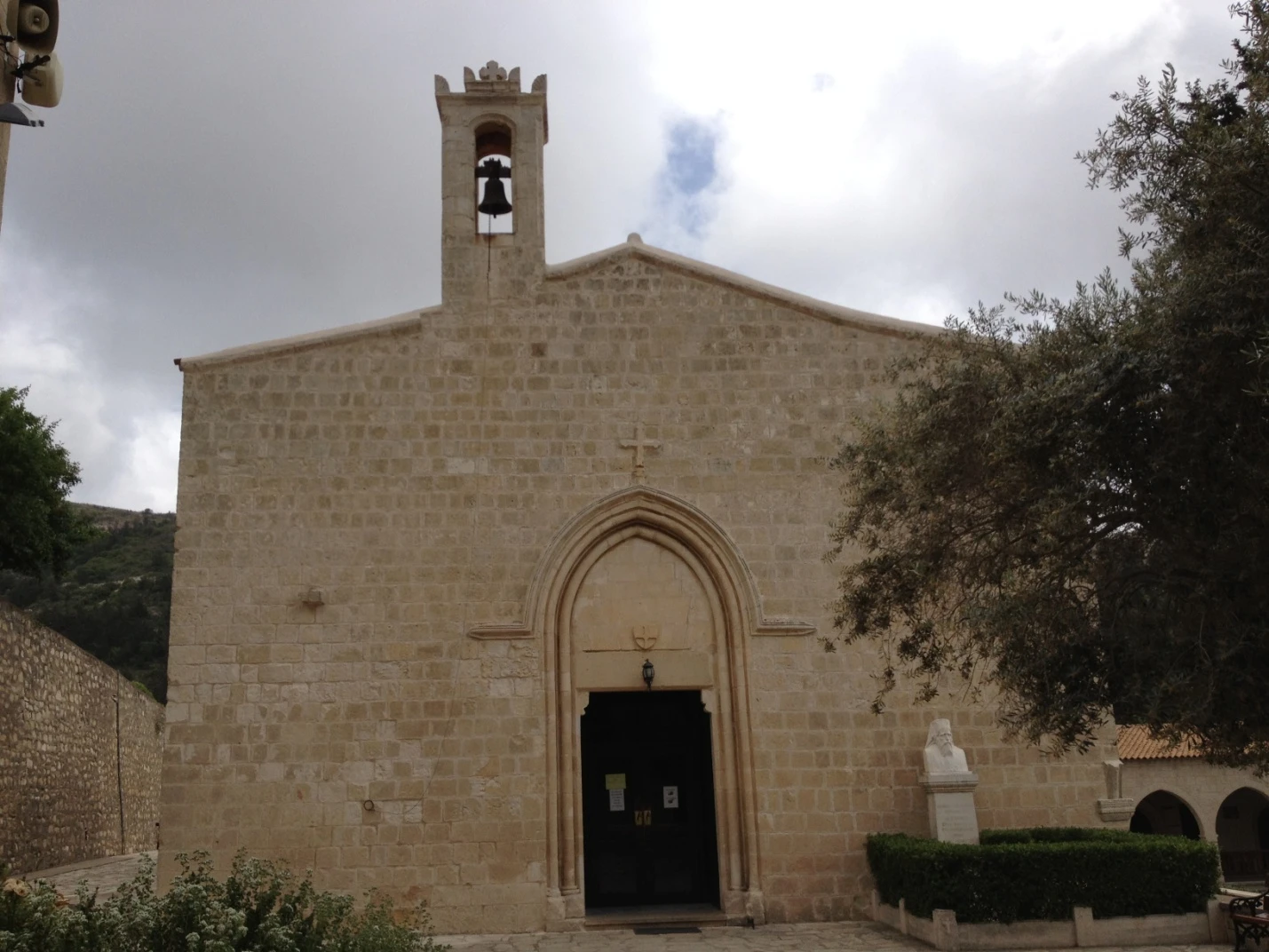
The hermit’s cave, rock-cut cells and frescoes tell the story of one of Cyprus’s best-known medieval writers.
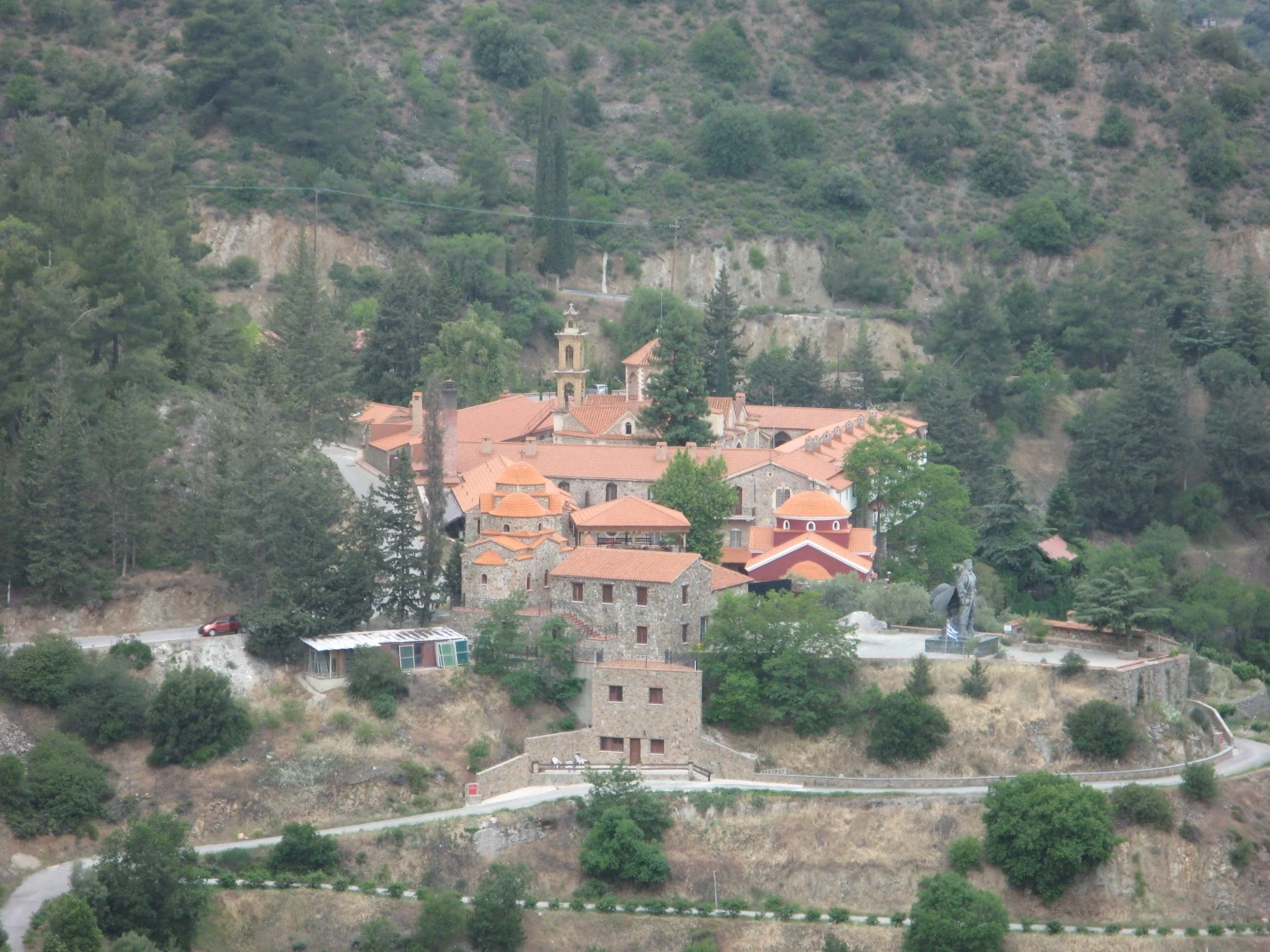
The narrow mountain road, imperial patronage and the icon of Panagia Machairiotissa made this one of the most personal journeys in our family archive.
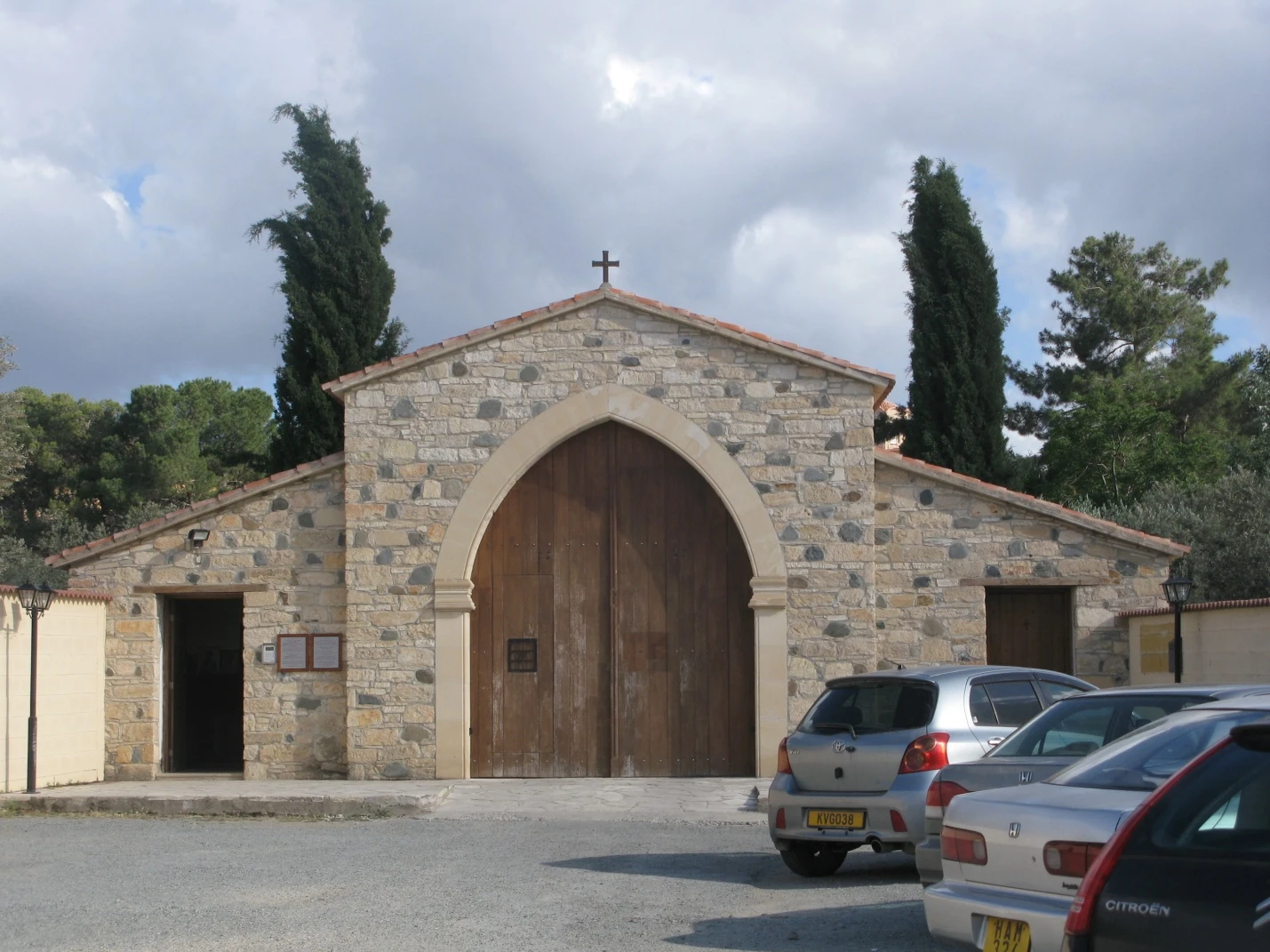
The monastery near ancient Tamassos is associated with a disciple of the apostles Paul and Barnabas.
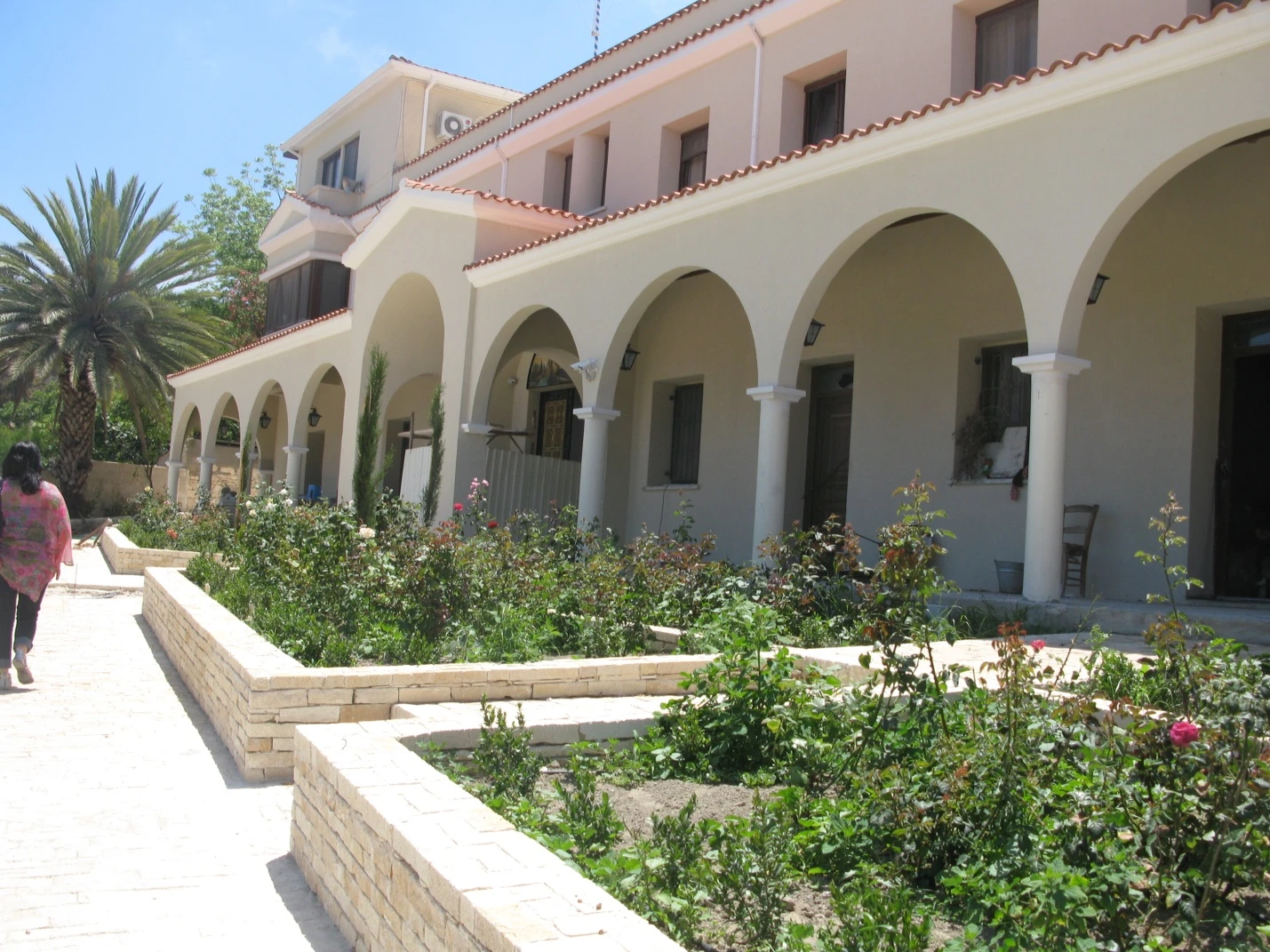
Several traditions explain the monastery’s name, ranging from German monks to the story of Suleiman and the snake.
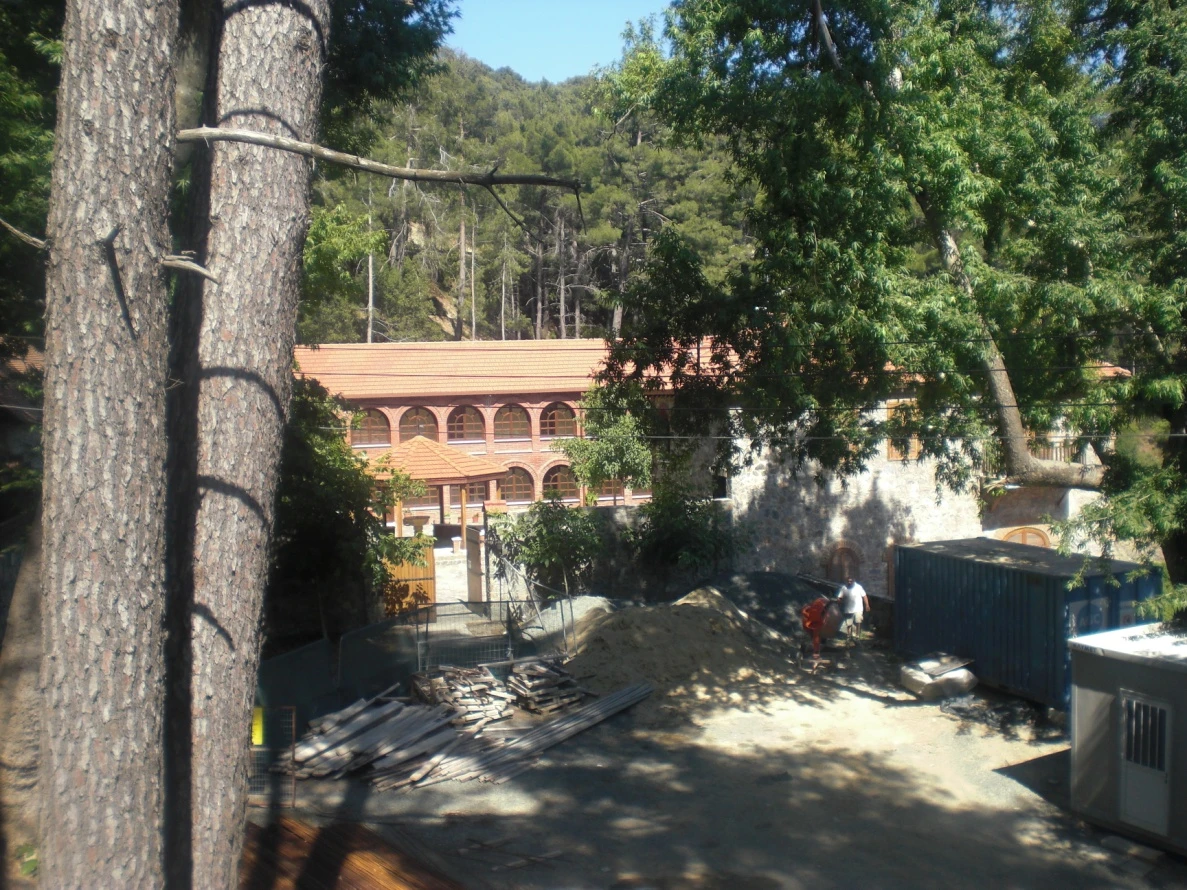
The name “Mesopotamou” reflects the monastery’s position between two rivers in the mountains near Pano Platres.
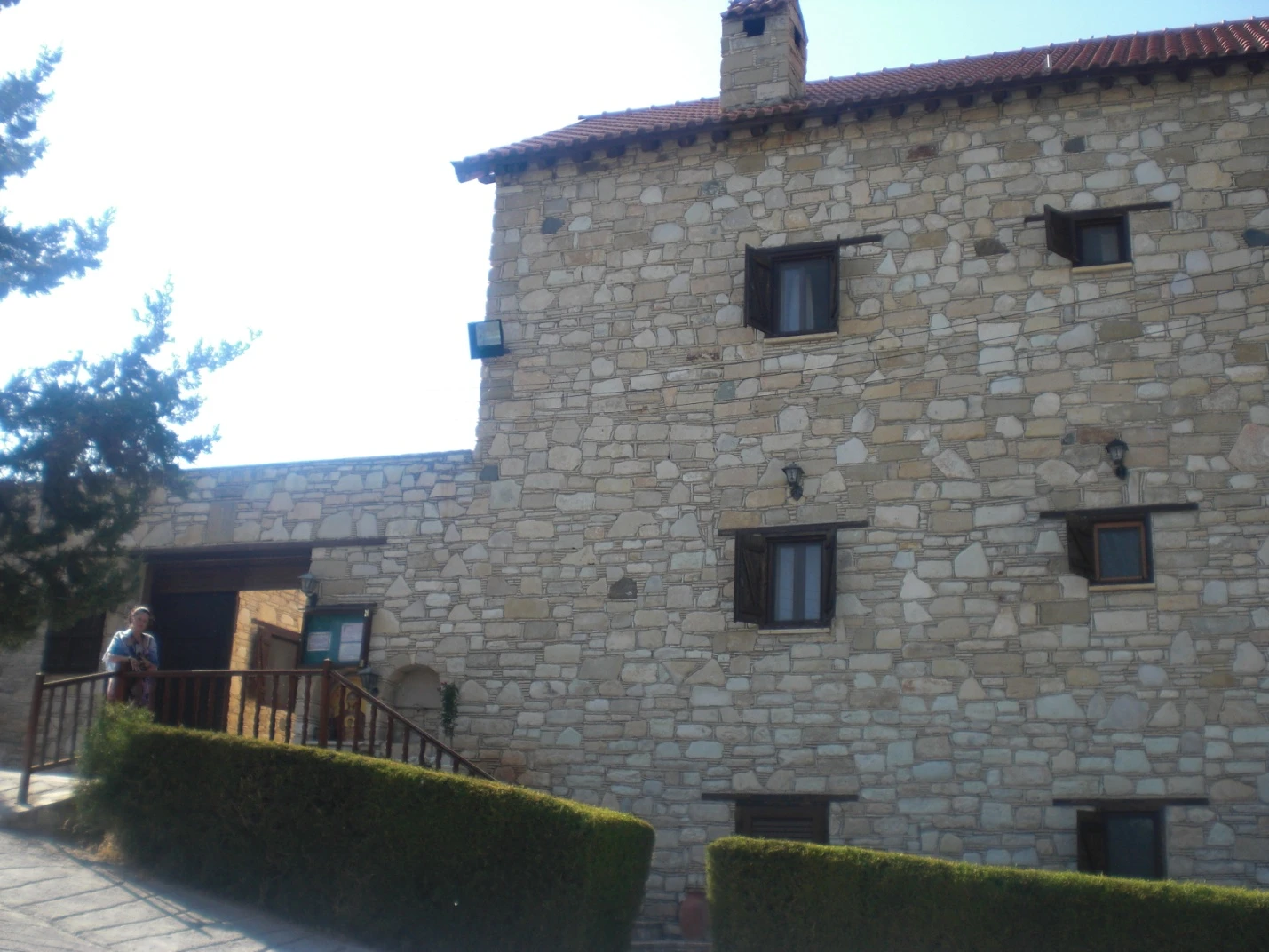
An ancient church with frescoes, restored cells, a hoard of coins and a spring above the Kouris River.
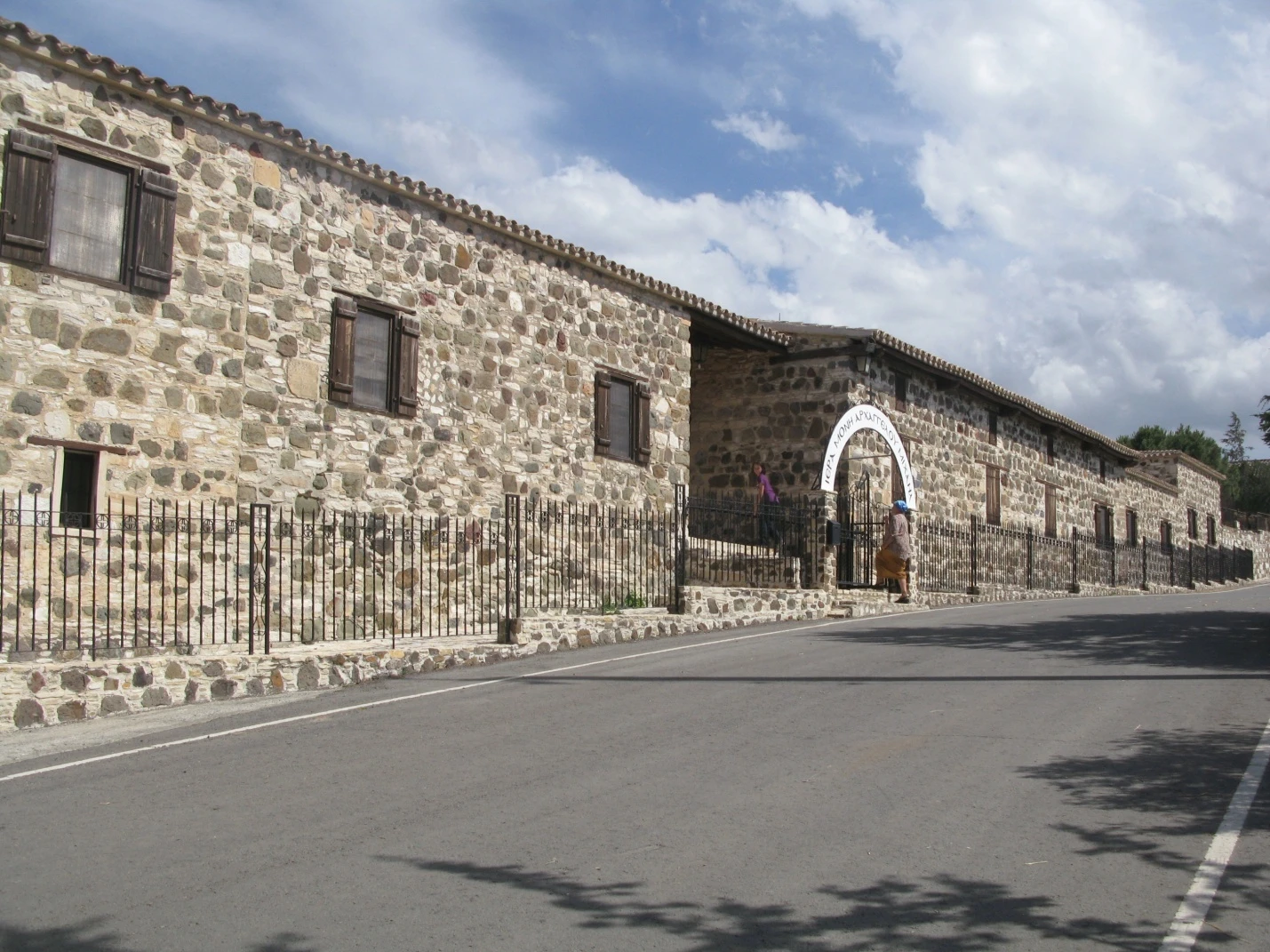
The long stone building beside the road recalls the twentieth-century restoration of an abandoned monastery.
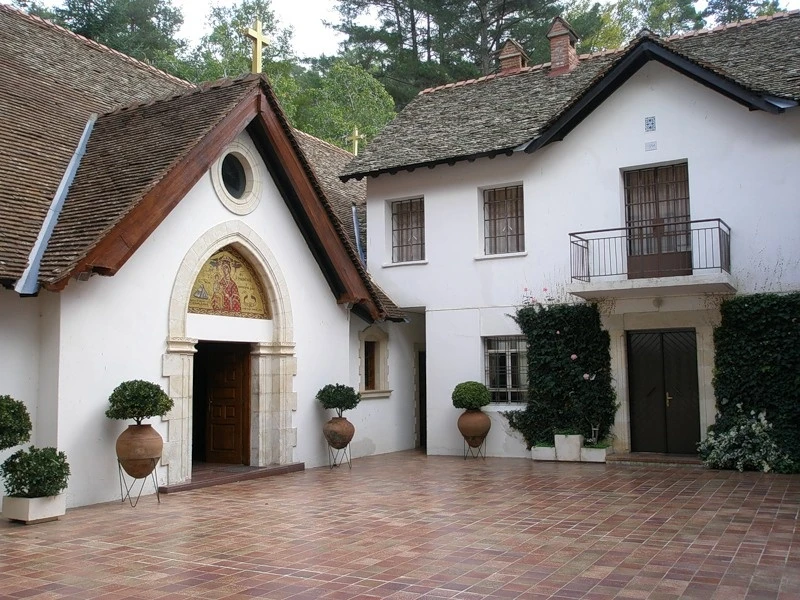
A narrow road leads to a monastery whose history is associated with an icon hidden during the period of Iconoclasm.
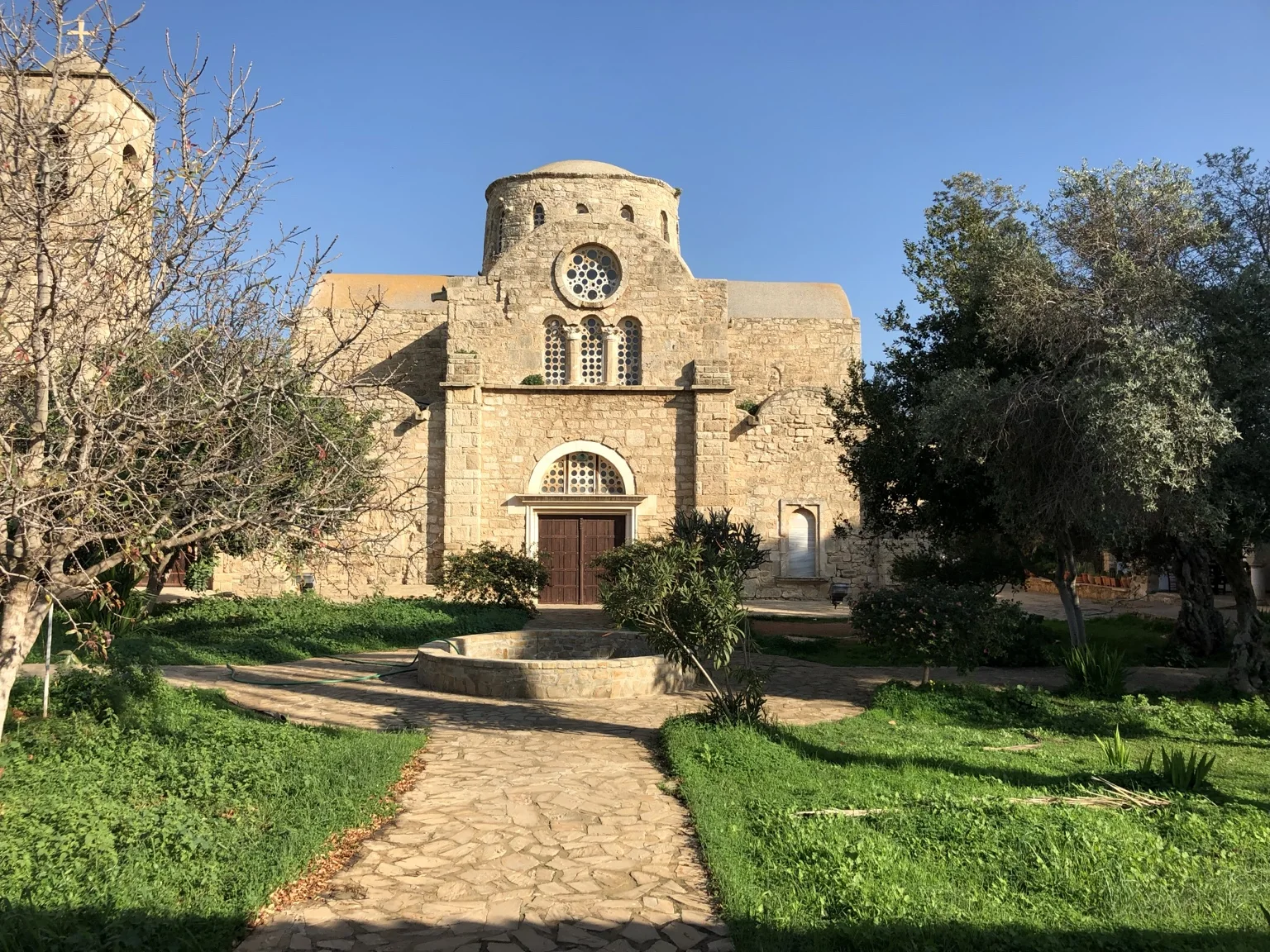
We visited the complex near Salamis and consider the church, museum and the place associated with the veneration of the Apostle Barnabas together.
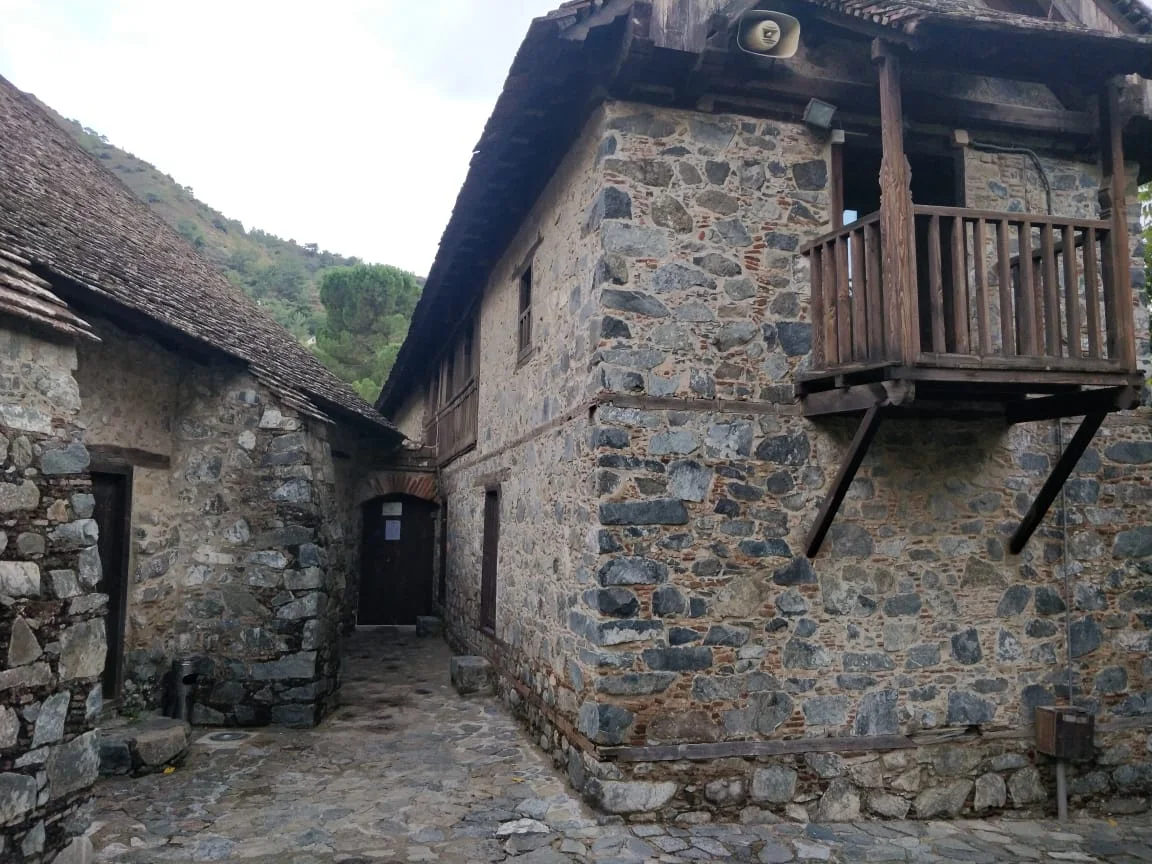
We visited the complex at Kalopanagiotis, where the architecture and wall paintings allow several artistic and historical layers to be compared.
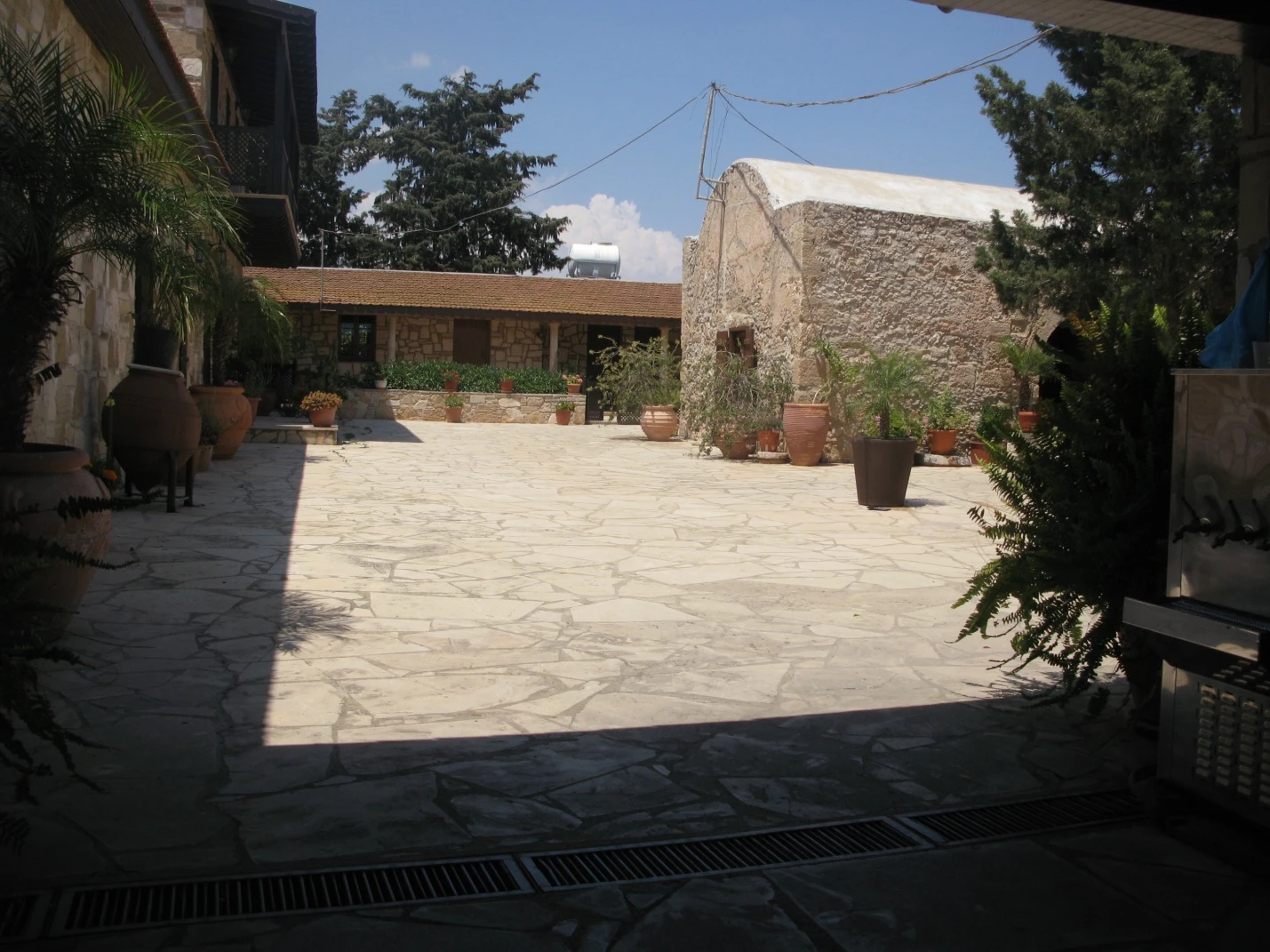
Three churches, frescoes and stories of martyrs connect this Cypriot monastery with Antioch and the island of Lesbos.
One of the most atmospheric chapters: a concrete wall, a military installation, partly open gates and two nuns in a monastery beside the dividing line.
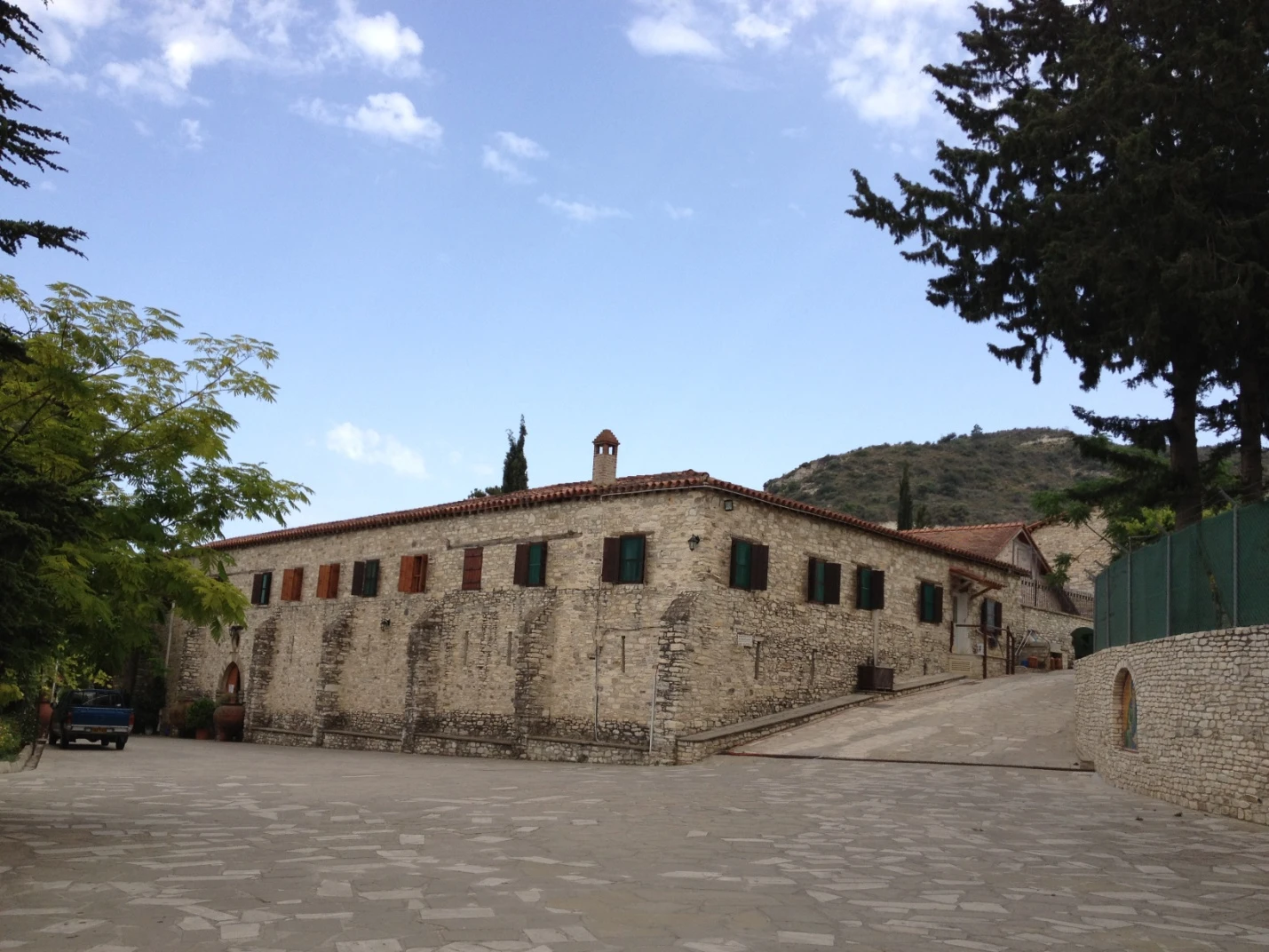
This stone monastery in the hills east of Vavla is known for its spring and eighteenth-century frescoes by the painter Philaretos.
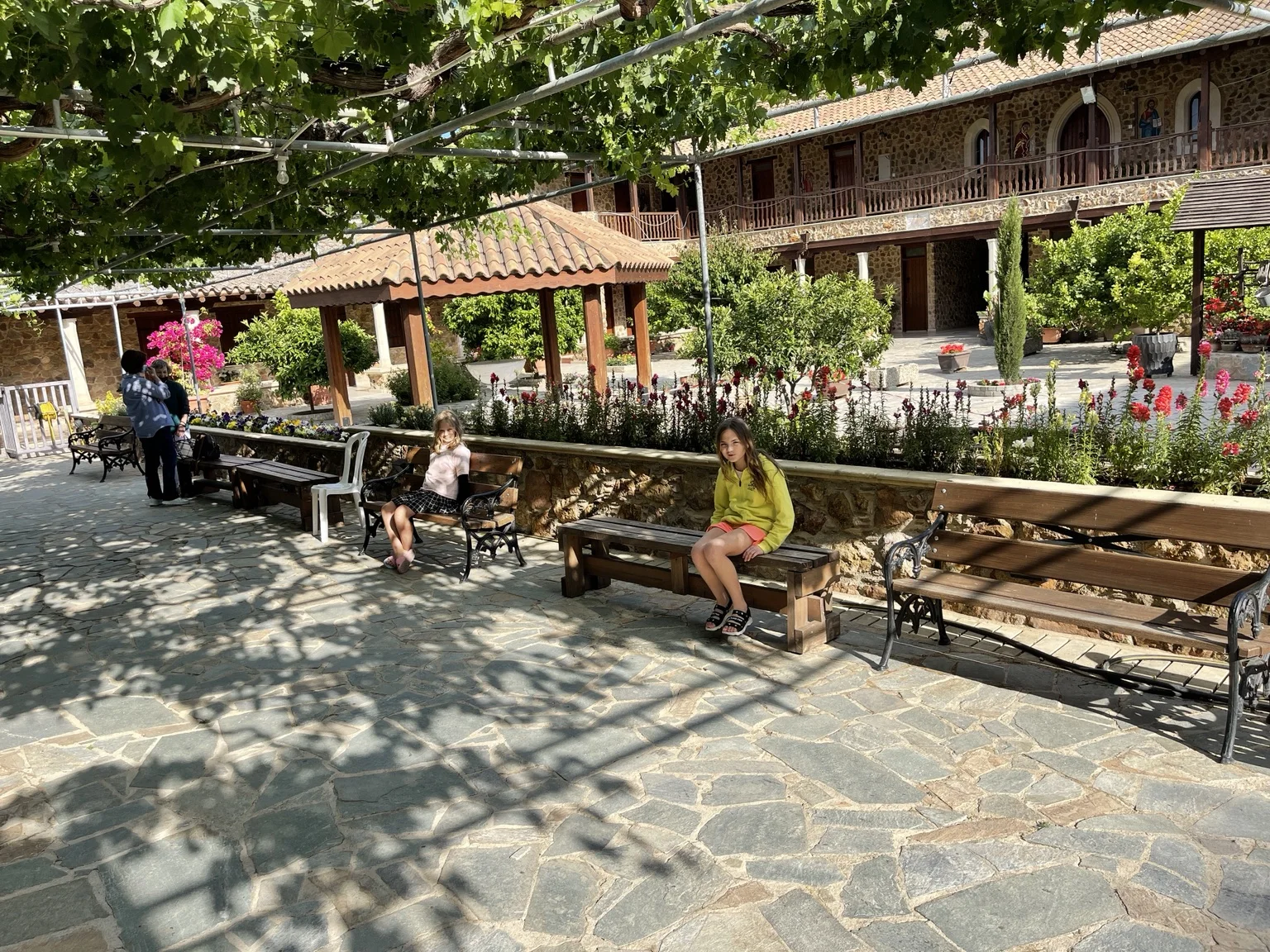
We remember the stone inscriptions, the arcade, the quiet courtyard and the spring directly beneath the church.
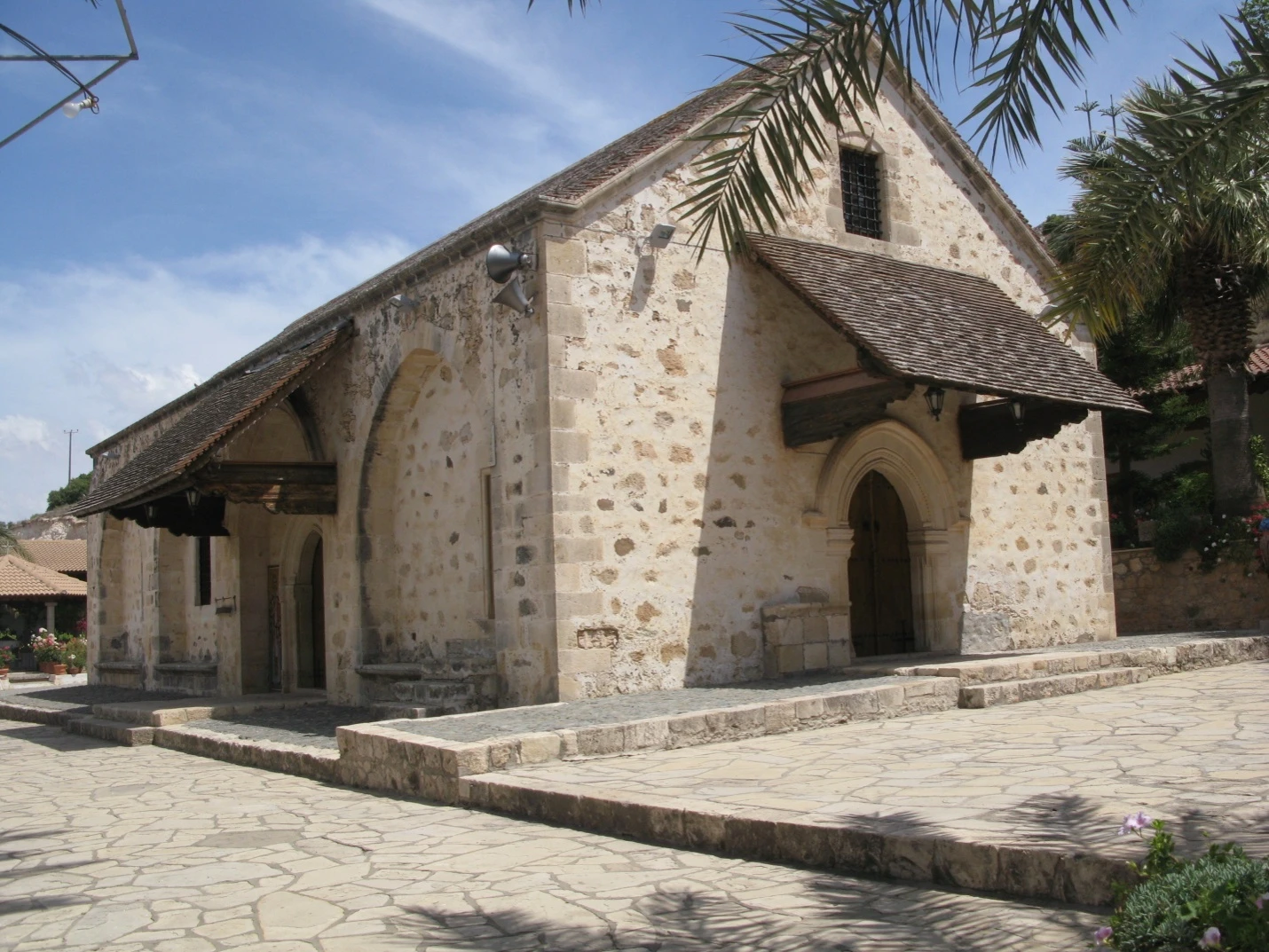
A small stone church and a carved inscription accompany the story of the physician and martyr saint.
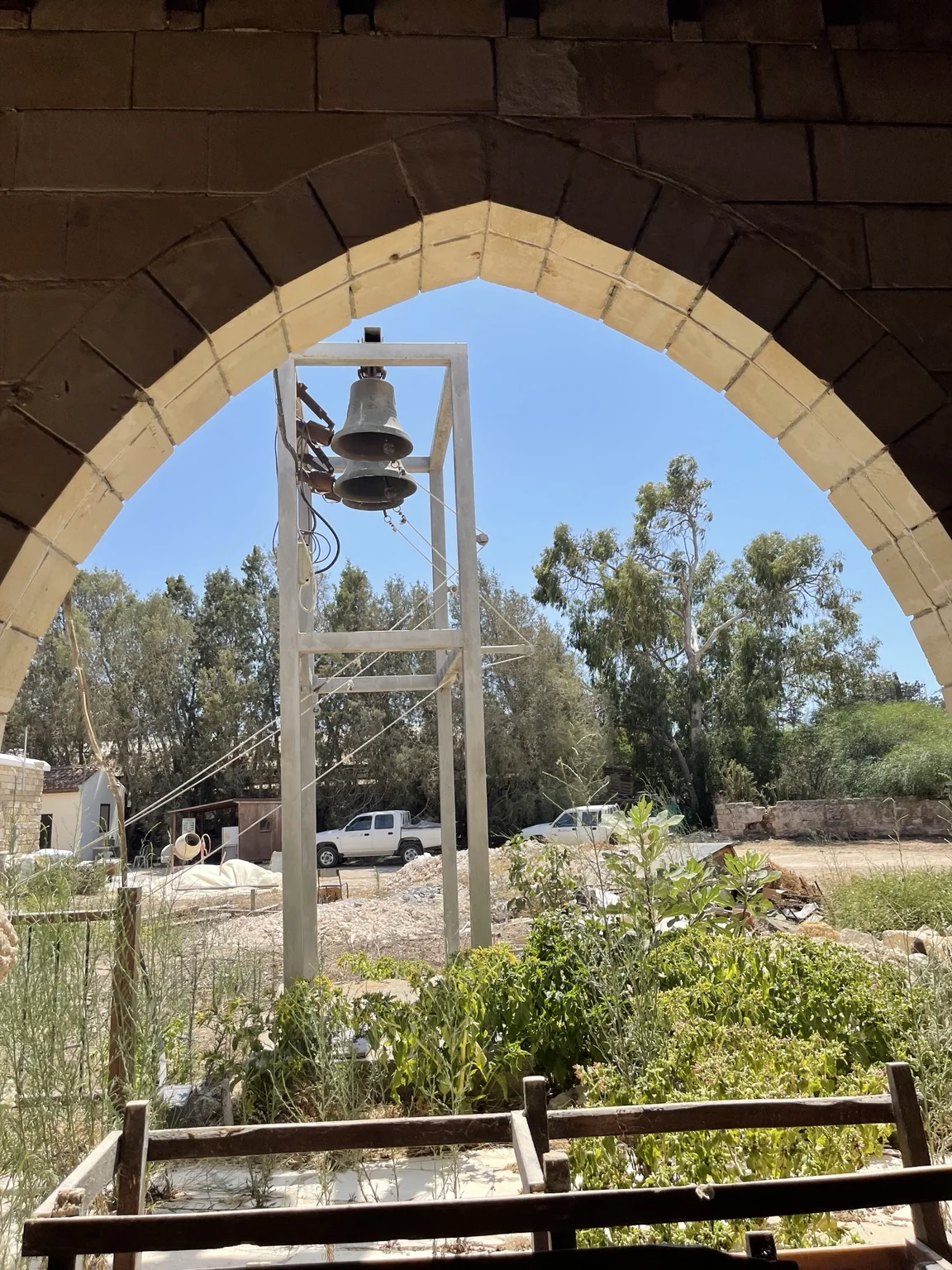
Cats, snakes and a bell form one of Cyprus’s best-known legends in our personal retelling.
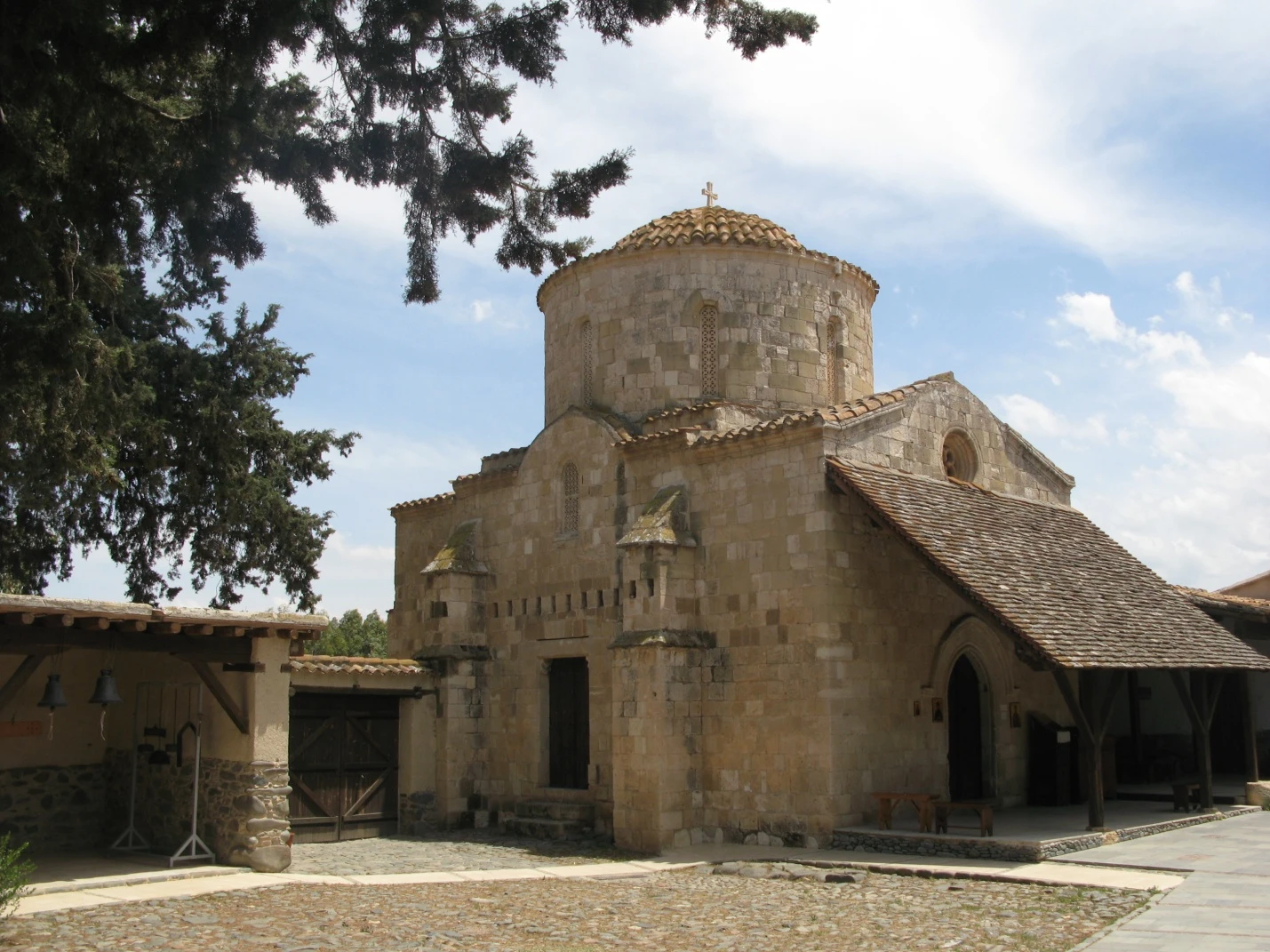
A stone church accompanies a brief account of Saint Nicholas and the development of the Santa Claus image.
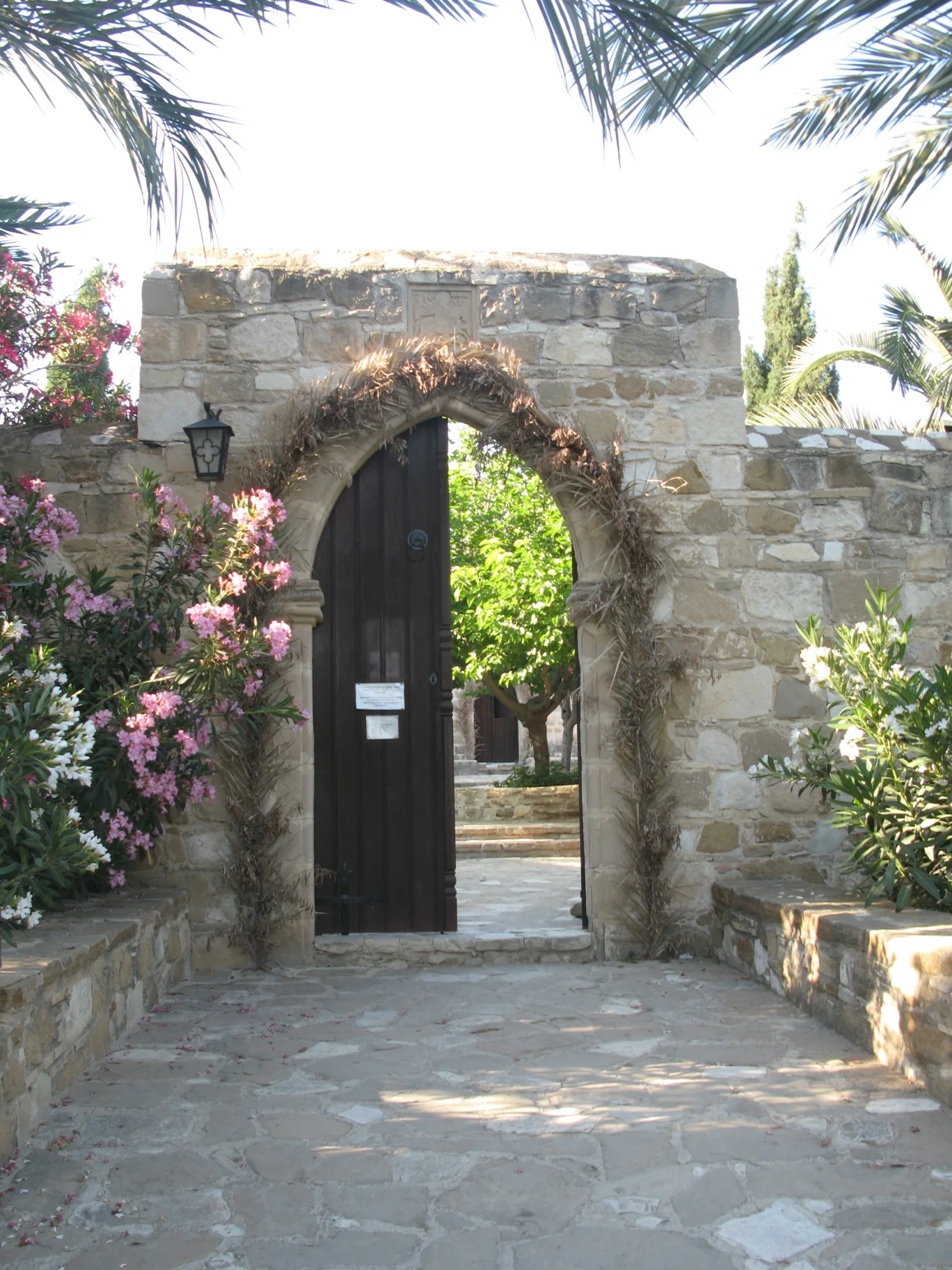
The “black mountain”, a red hill, repeated fires and a restored icon are the main details of this chapter.
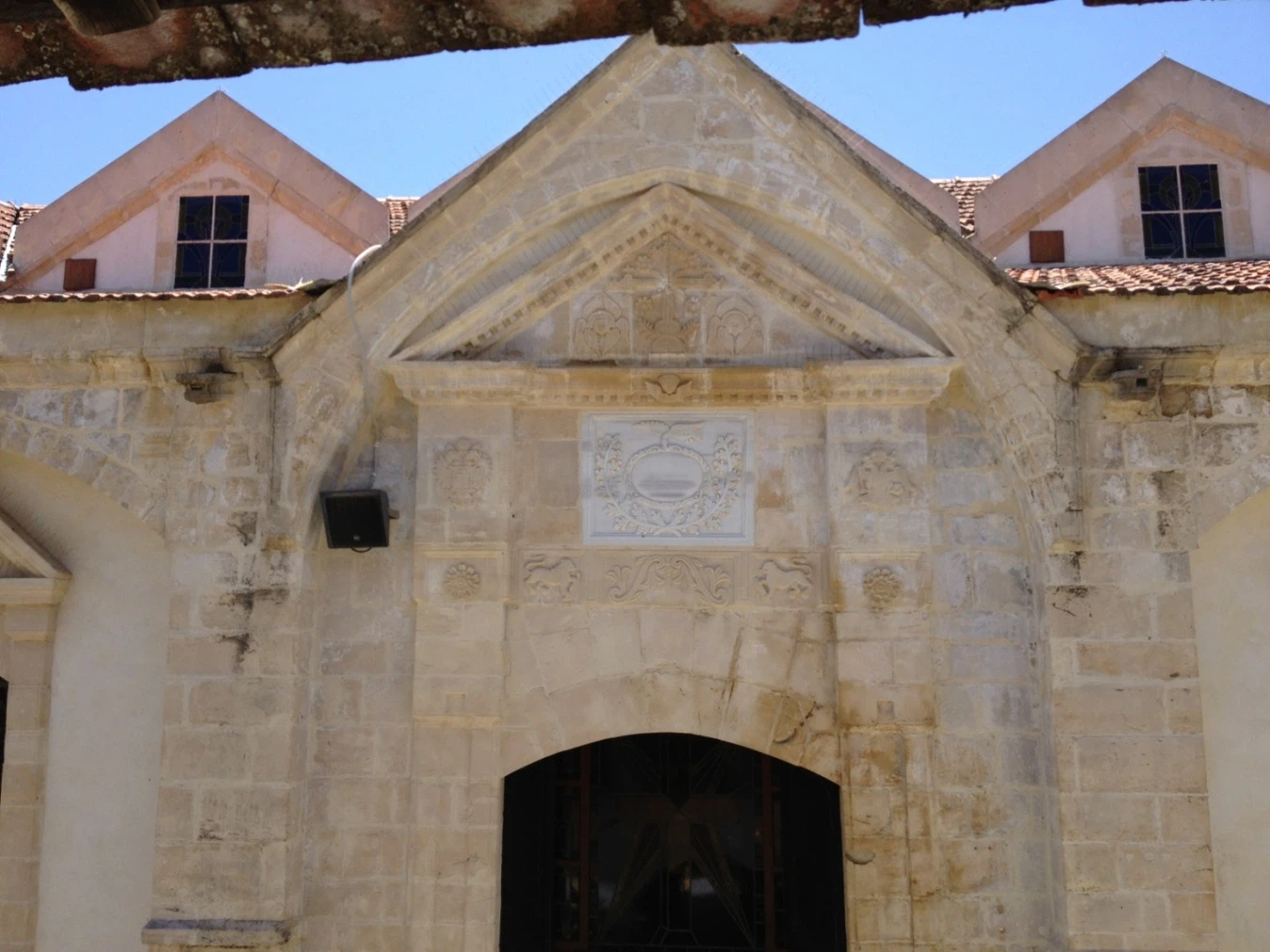
The arcades and pale stone of the monastery are connected in our notes with the tradition of Saint Helena and the relics kept here.
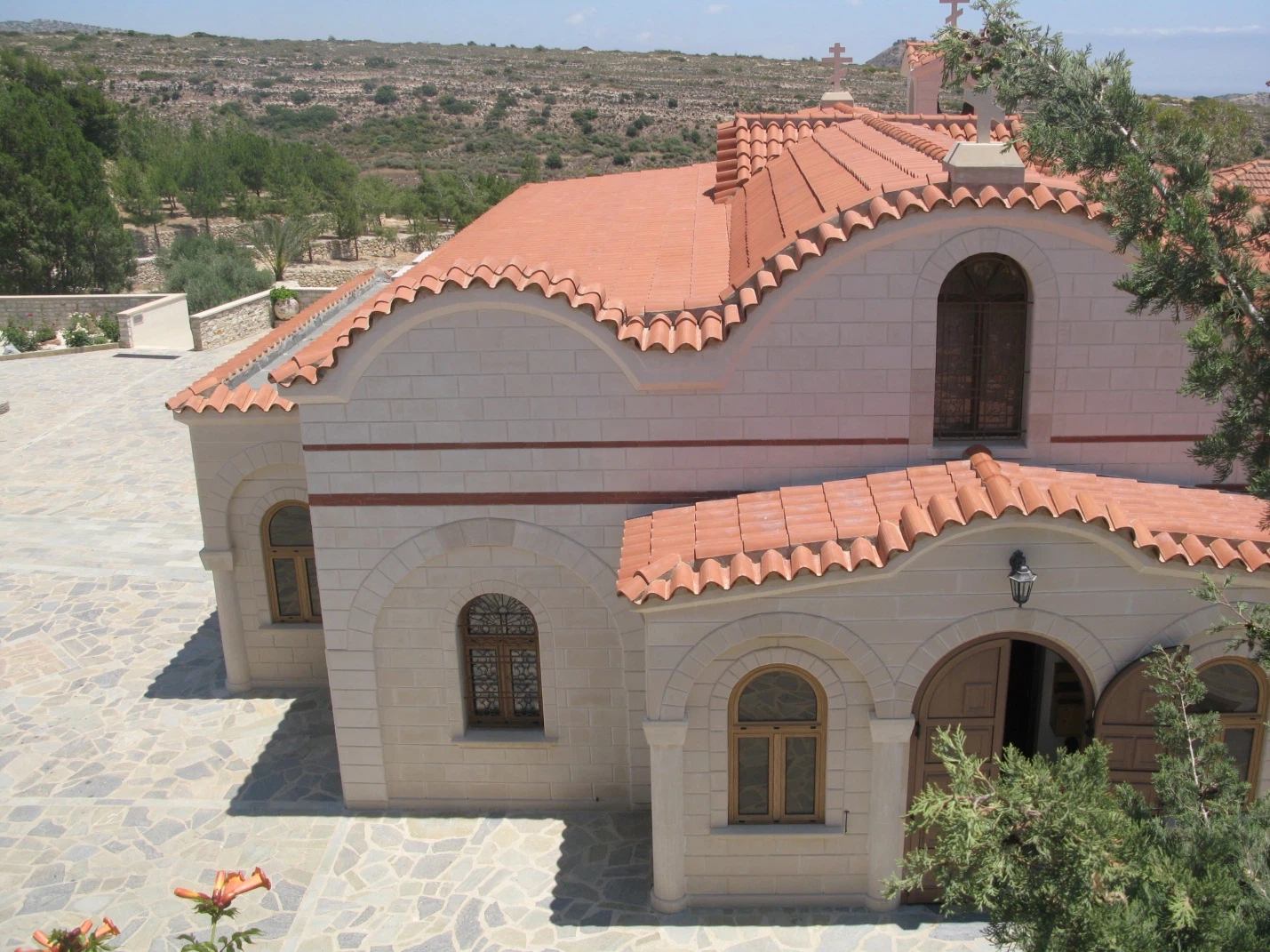
The story of searching by GPS became part of our account of this hillside monastery and its revered icon.
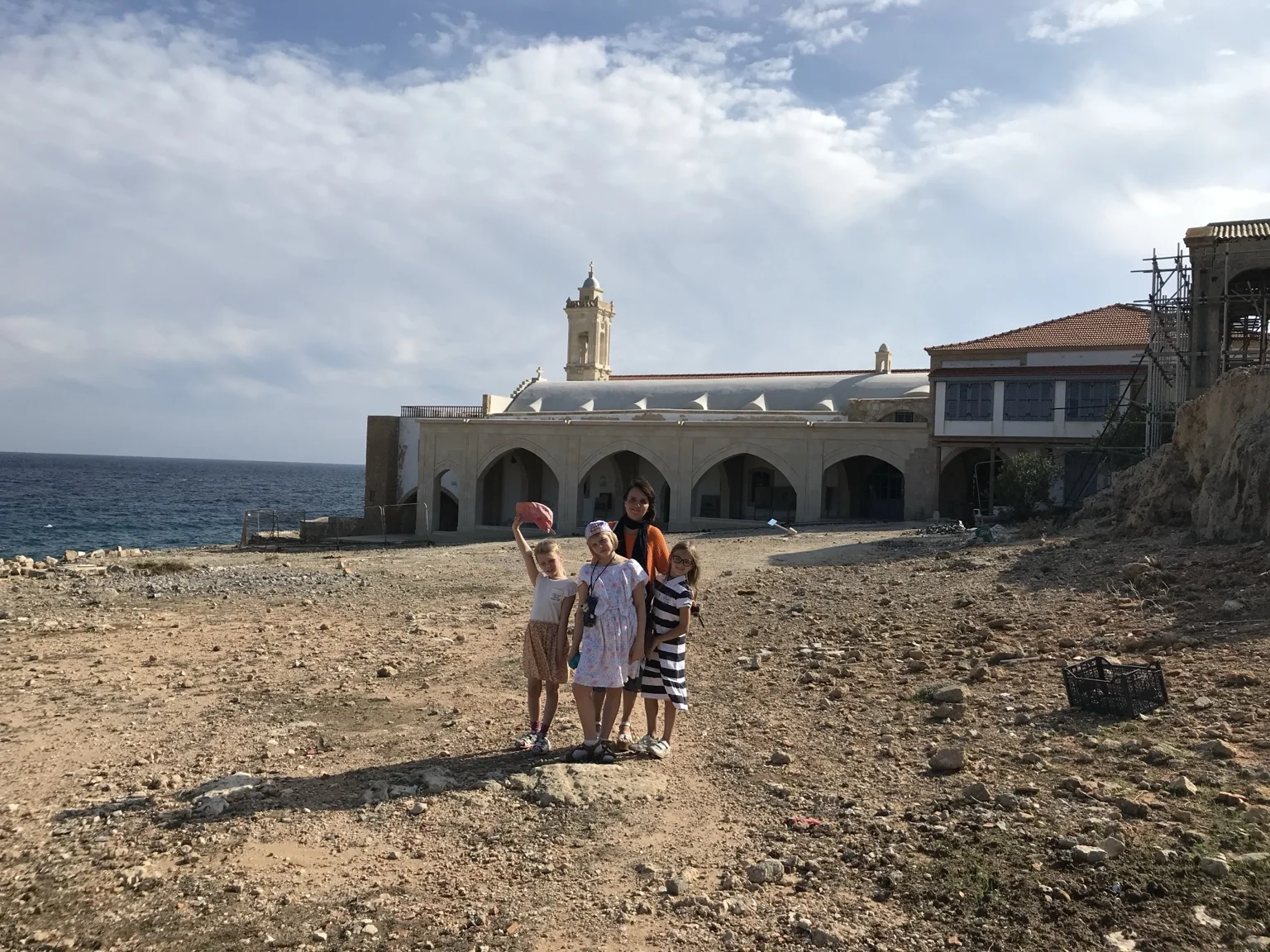
We visited the monastery near the tip of the Karpas Peninsula and distinguish the medieval chapel, the nineteenth-century church, pilgrimage tradition and modern restoration.
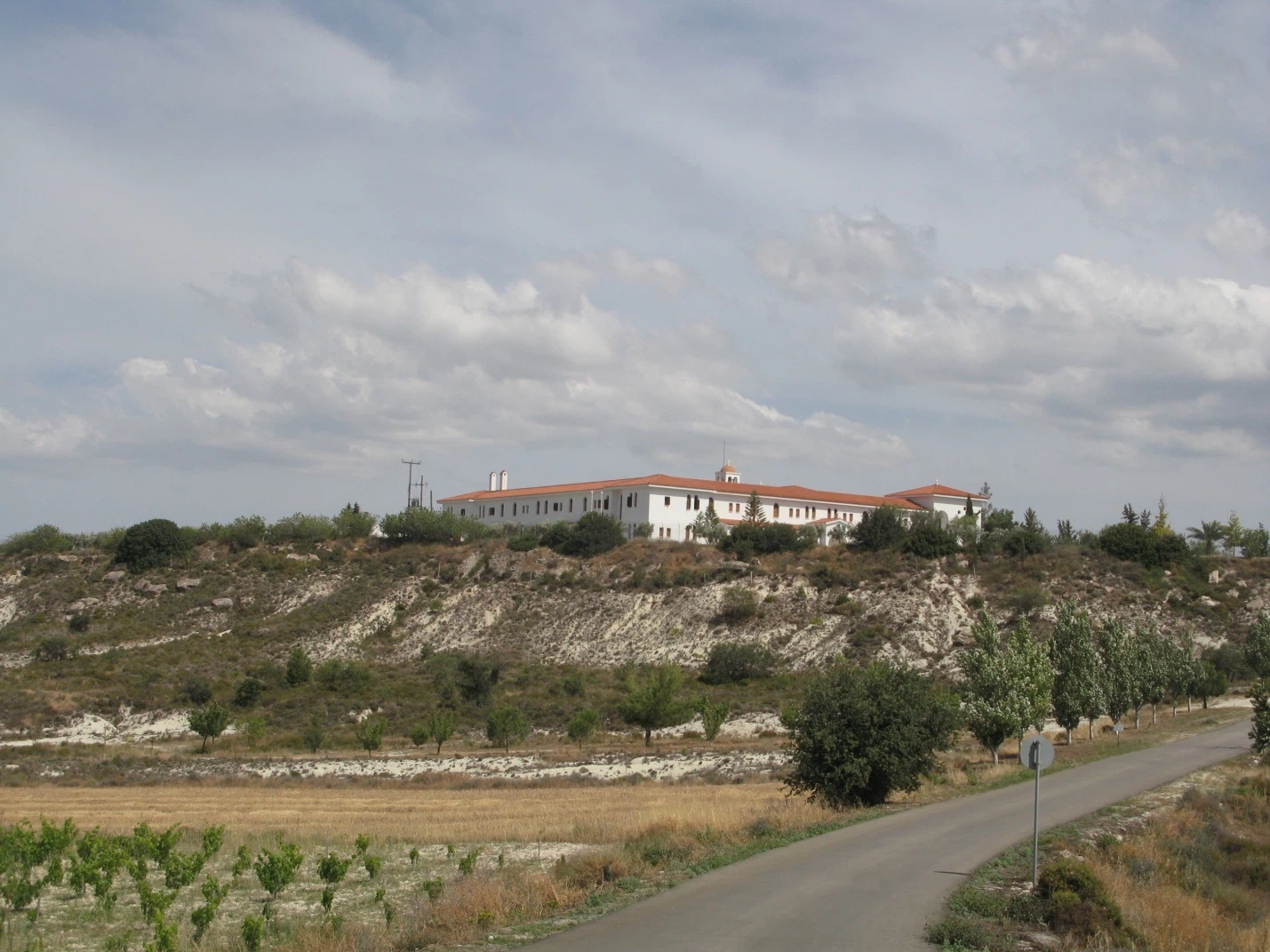
This women’s monastery on a hill shows that the monastic history of Cyprus continued into the twentieth century.